
SAN FRANCISCO, Jan 19, 2026, 02:24 PST
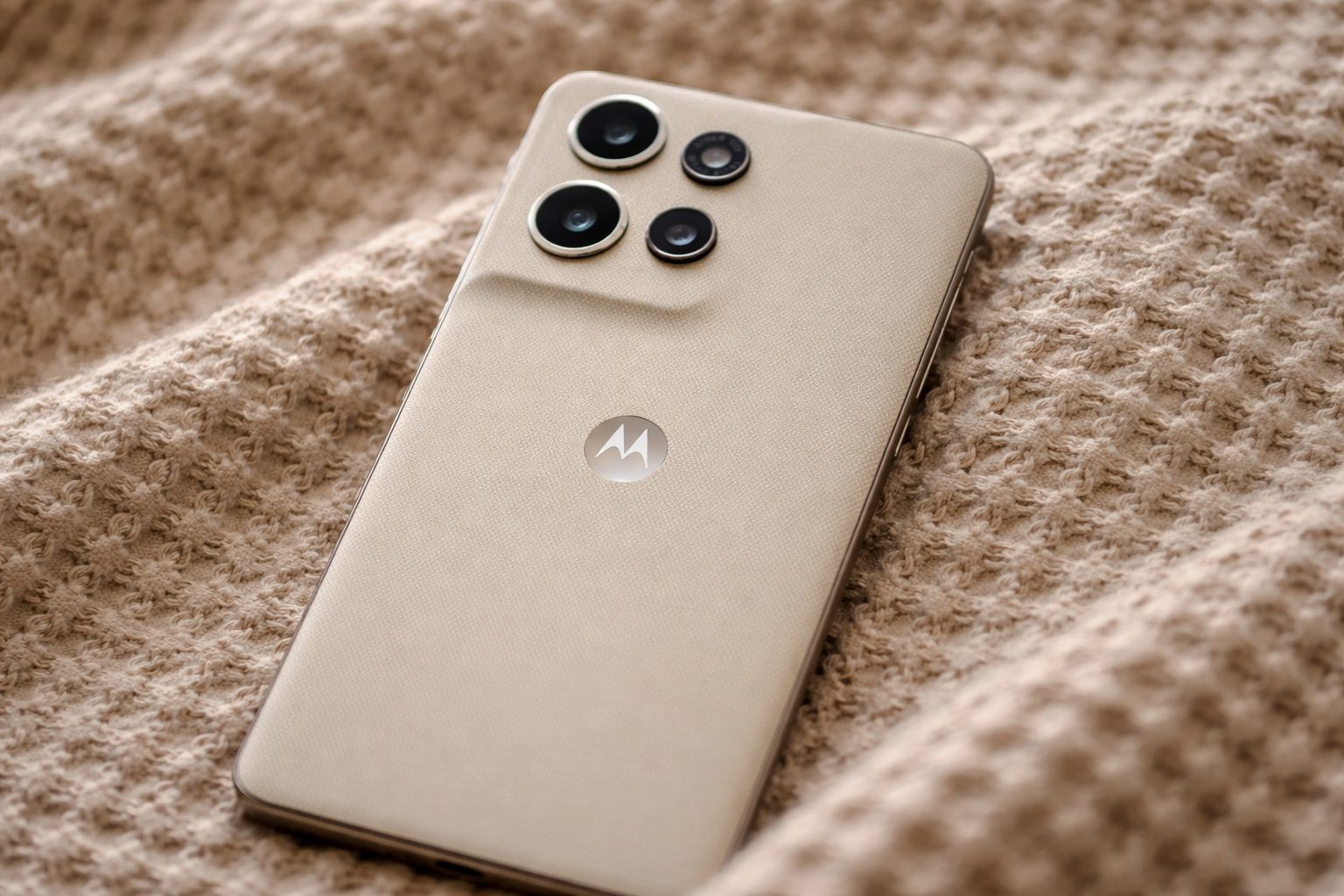
Motorola’s Moto G Power (2026) drew a blunt early verdict in a Jan. 17 review, with Android Central’s Derrek Lee calling it the perfect example of: “Just because you can, doesn’t mean you should.” Lee said the roughly $300 phone is virtually identical to its predecessor, while dropping wireless charging and keeping “underwhelming” cameras. Android Central
That matters because the $300 tier is where Android vendors still fight for upgrades in carrier stores and big-box retail, even as high-end models stretch further out of reach. Buyers in that segment also keep phones longer, so small differences in battery endurance, repair costs and update support can decide a sale.
Motorola is leaning hard on durability and battery life as the hook, a familiar play for the Moto G line. But a year of steady price pressure has made “mostly the same, but tougher” a harder pitch, especially when shoppers are already weighing what it will cost to keep a phone running for two or three years.
Motorola announced the Moto G Power (2026) in December, saying the phone pairs a 6.8-inch 120Hz display with durability features such as IP68/IP69 water-and-dust ratings and MIL-STD-810H testing, a U.S. military lab standard often used as a shorthand for ruggedness. The company put the U.S. list price at $299.99 and said the device would be sold unlocked via Amazon, Best Buy and its own website, with Verizon and other carriers following on their own timelines.
Promotions are already turning up. PhoneArena reported Motorola’s store is bundling the handset with four free Moto Tags, which Motorola markets as Bluetooth item finders that work with Google’s Find My Device network, and said the bundle totals about $100 in added value at list price. The site said Amazon and Best Buy were still listing the phone around $300 without the extras at the time of writing.
A teardown — where a phone is taken apart to see how it’s built — suggests some of the durability focus could come with trade-offs for owners who need repairs. AndroidHeadlines said a PBKreviews disassembly showed a battery strongly glued in place and cables routed beneath it, and that reaching common parts could mean more disassembly than buyers might expect; it cited a 5-out-of-10 repairability score.
But the real test will be the cost of owning one, not the spec sheet. If repairs take longer because parts are buried under adhesive, and if software support ends sooner than some shoppers want, “good battery life for $300” can stop sounding like a bargain.
The Moto G Power (2026) lands in a crowded budget field, where Samsung’s Galaxy A-series and other low-cost Android phones compete on update promises, trade-in deals and how cheap it is to fix a cracked screen. Motorola’s pitch is simple: keep it tough, keep it running, keep it affordable.
For now, the early read is messy: a harsh review, a repairability warning, and a bundle meant to nudge fence-sitters. That combination can move units, but it can also signal a phone that will need discounts to stand out.