
CAPE CANAVERAL, Fla., Jan 26, 2026, 08:16 (EST)
- SpaceX is set to launch the U.S. Space Force’s GPS III-9 satellite late Monday from Cape Canaveral, Florida.
- The Space Force shifted the mission from United Launch Alliance’s Vulcan rocket to a SpaceX Falcon 9.
- Weather and booster recovery conditions remain a key uncertainty for the launch window.
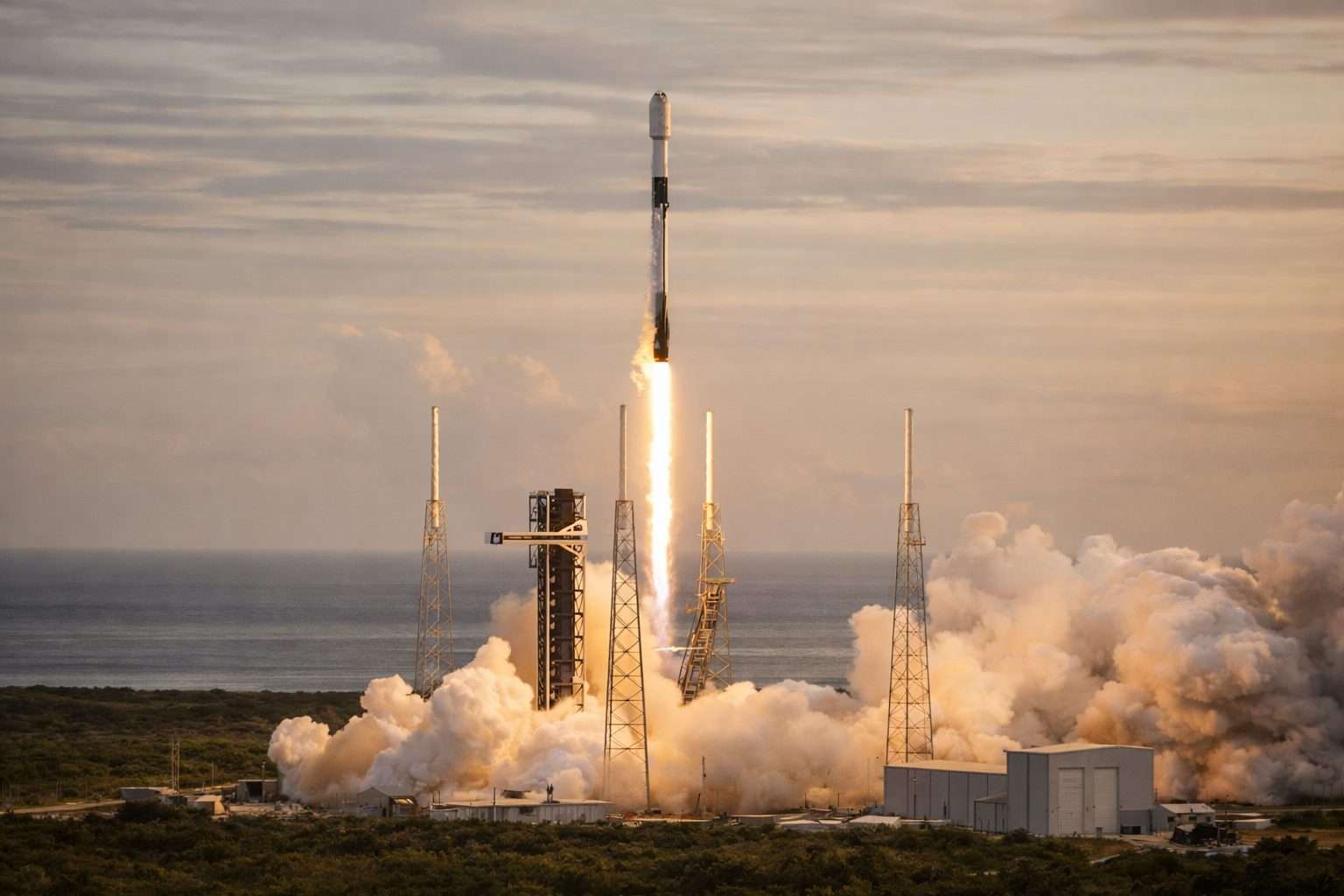
SpaceX is set to launch the U.S. Space Force’s GPS III-9 satellite late Monday from Florida after the military moved the spacecraft off United Launch Alliance’s Vulcan rocket and onto a Falcon 9.
The switch matters because the Space Force is reshuffling some of its most important navigation launches between its two main providers, trying to keep GPS upgrades moving while balancing rocket availability and contract commitments.
GPS III satellites carry an upgraded military signal known as M-Code, which Space Force officials say is designed to be harder to disrupt. The satellites also support positioning, navigation and timing — PNT — a foundational service for military operations and many civilian systems.
Liftoff from Space Launch Complex 40 at Cape Canaveral Space Force Station is scheduled for about 11:42 p.m. EST, with a 15-minute window, after a one-day slip. SpaceX cited “keeping an eye on recovery weather” when it pushed the attempt from Sunday to Monday, Spaceflight Now reported. Spaceflightnow
SpaceX plans to fly the mission on booster B1096, on its fifth flight, with an attempted landing on the droneship A Shortfall of Gravitas in the Atlantic a little more than eight minutes after liftoff, according to Spaceflight Now. The satellite is expected to deploy from the rocket’s upper stage roughly 90 minutes after launch, the report said.
Lockheed Martin built the GPS III satellites, and Space.com said SV09 is the ninth in the current 10-satellite series, with the final spacecraft expected later this year. The mission had been slated for ULA’s Vulcan Centaur before the Space Force reassigned it.
The move is part of a broader trade between the two launch firms. Col. Ryan Hiserote, the Space Force’s National Security Space Launch program manager, said the service swapped this GPS III flight from Vulcan to Falcon 9 and shifted a later GPS IIIF mission in the other direction.
Hiserote said the Space Force needed the flexibility to “pivot when necessary” as schedules change. A System Delta 80 spokesperson said the Vulcan manifest was “heavily congested” and the service worked with its providers to get the GPS capability on orbit sooner.
Spaceflight Now said the GPS III-9 move marked the third time the Space Force shifted one of the satellites from Vulcan to Falcon 9. The outlet also said the two companies split GPS missions under the Space Force’s National Security Space Launch Phase 2 awards, which it put at $4.5 billion for ULA and $4 billion for SpaceX.
But Monday’s plan still hinges on the same thing that derails plenty of launches on the Space Coast: weather. Launch weather officers warned that “winds will be the main concern” for the first attempt, with sea conditions downrange also in focus.
SpaceX plans to stream the mission online, with coverage expected shortly before liftoff.