
SEOUL, Jan 26, 2026, 22:17 KST
- Samsung is set to begin production of next-gen HBM4 memory chips next month, targeting Nvidia as a key customer, according to a source
- This step could bring Samsung closer to SK Hynix in the race for top-tier AI memory
- Analysts warn that the limited HBM supply among vendors might restrict any rapid changes in market share.
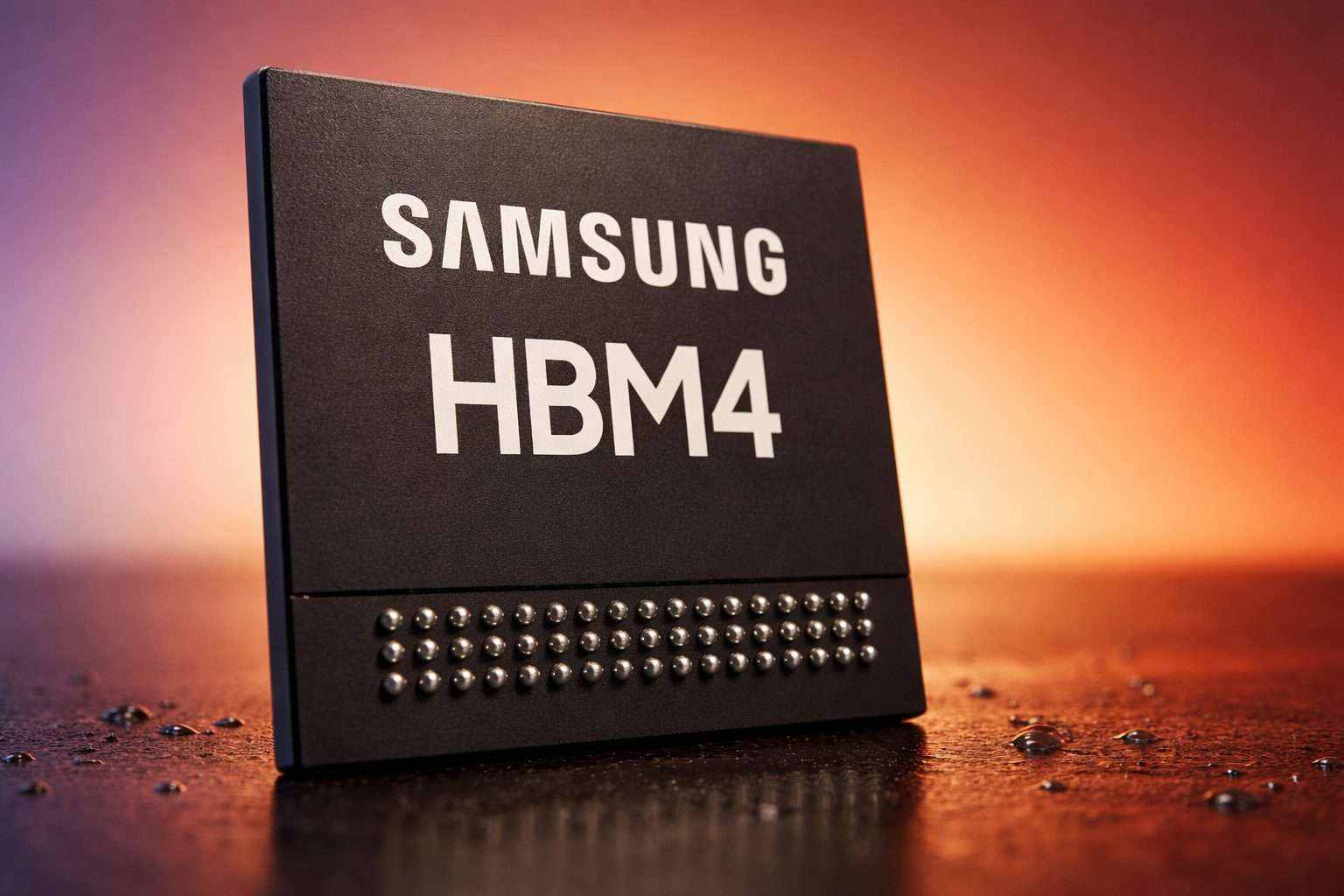
Samsung Electronics is set to begin manufacturing its next-gen high-bandwidth memory chips, HBM4, as soon as next month, according to a source familiar with the matter who spoke to Reuters. The company will supply these chips to Nvidia.
High-bandwidth memory, or HBM, is a stacked type of DRAM placed near AI processors to speed up data transfer. Nvidia relies heavily on it for its AI accelerators, but supply has been limited as data center demand remains strong.
Samsung sees securing a larger share with Nvidia as crucial, aiming to close the gap with local competitor SK Hynix, Nvidia’s main provider of cutting-edge memory chips for its leading AI hardware. Previous hiccups in delivering HBM supplies hit Samsung’s earnings and stock performance, leaving investors eager to see if it can scale up production of the next-generation chips.
The source didn’t reveal how many chips Samsung intends to provide. Samsung’s spokesperson stayed silent on the matter, and Nvidia couldn’t be reached for comment right away.
Bloomberg says Samsung is in the final qualification stage with Nvidia after delivering initial HBM4 samples last September. The South Korean giant aims to start mass production by February. While the company expects to begin shipping soon, the exact timeline remains uncertain, the report adds.
Samsung shares climbed during early trading in Seoul, whereas SK Hynix shares dropped. Investors are wagering that Samsung might soon break into the exclusive group supplying the cutting-edge memory chips Nvidia uses with its top-tier AI processors.
According to South Korea’s Korea Economic Daily, Samsung has cleared HBM4 qualification tests for both Nvidia and Advanced Micro Devices. The report, citing chip industry insiders, adds that shipments to Nvidia are set to begin next month.
SK Hynix is ramping up capacity. The company confirmed it wrapped up HBM supply negotiations with key customers for next year and will start sending silicon wafers into its new Cheongju fab, M15X, next month to make HBM chips. They didn’t clarify if HBM4 will be included in that initial run.
Nvidia CEO Jensen Huang revealed earlier this month that the company’s next-gen chips, known as the Vera Rubin platform, are already in “full production.” The plan is to launch these chips later this year alongside HBM4 memory.
Barron’s pointed to a ripple effect hitting Micron Technology, another leading HBM supplier. William Blair analyst Sebastien Naji noted that Micron’s HBM output for 2026 is already fully booked. He predicts Micron will hold onto a low-20% market share through 2027, suggesting the tight supply from Samsung, SK Hynix, and Micron will restrict any quick shake-up in who lands the biggest contracts.
But Nvidia is still putting the hinge through its paces. Final approval depends on yields—the percentage of usable chips produced—and how well the chips perform under Nvidia’s workloads. If Samsung’s ramp stumbles or validation takes longer, SK Hynix could hold the lead for a while, keeping Samsung’s output below what the market expects.
Samsung and SK Hynix will release their fourth-quarter results on Thursday, Jan 29. Investors are looking for updates on HBM4 orders, production schedules, and the pace at which the upcoming supply can be integrated into Nvidia’s systems.