
San Francisco, Jan 27, 2026, 01:42 (PST)
- Initial benchmarks reveal Intel’s upcoming Panther Lake laptop chips outperform Apple’s M5 in select multi-core and graphics tests.
- Reviewers noted performance varies depending on the workload, but Apple maintains a strong edge in single-core speed.
- Initial results have started to surface before laptops hit the market widely, while pricing and thermal performance remain uncertain.
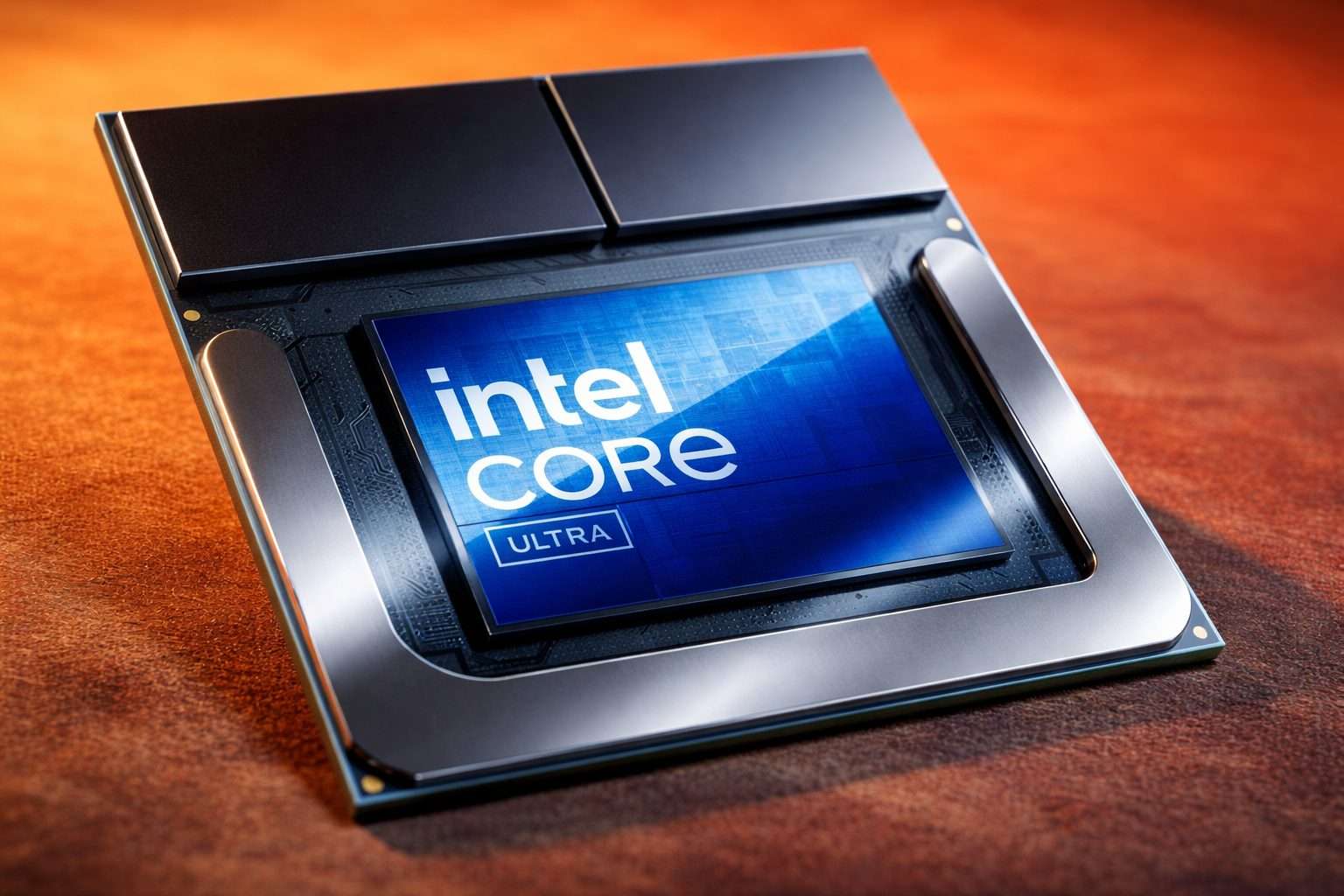
Intel’s latest Panther Lake laptop processors have outperformed Apple’s M5 in multi-core benchmarks during initial tests, marking a rare win for the PC chip giant against the silicon that dominates high-end laptops.
This is crucial for Intel now, as it tries to improve thin-and-light laptops, where users want long battery life and speedy performance without a heavy cooling setup. A quicker chip also lets manufacturers rely more on integrated graphics, cutting the need for a separate GPU.
AMD’s latest Ryzen AI laptop chips and Qualcomm’s Snapdragon designs continue to push Intel hard on efficiency — essentially, the amount of work a computer squeezes out per watt used. This contest has often left Windows laptops trailing behind MacBooks in terms of polish.
Luke Larsen’s Wired review put Intel’s Core Ultra Series 3 chips, including the Core Ultra X9 388H, through their paces on MSI and Lenovo machines. His benchmarks showed the X9 beating Apple’s M5 in Cinebench 24 multi-core scores (1,285 to 922) and in a 3DMark Steel Nomad Light graphics test (5,883 versus 5,077). Apple, however, kept a solid lead in Cinebench single-core performance (199 compared to 130). Larsen also cited former Intel CEO Pat Gelsinger, who called this tech the “cornerstone of the company’s turnaround strategy.” WIRED
The Verge’s Antonio G. Di Benedetto, testing the same flagship chip in Asus’ 2026 Zenbook Duo, found that Apple’s M5 and AMD’s top-tier Strix Halo still dominated most of his benchmark results, even though Intel outperformed AMD’s Strix Point in nearly every test. Intel narrowly beat the MacBook Pro in a 4K Adobe Premiere Pro export—3 minutes, 3 seconds compared to 3 minutes, 14 seconds—and showed strong battery life, despite Apple leading in CPU benchmarks like Geekbench 6 single-core (4,208 for M5 versus 3,009 for Intel) and multi-core (17,948 versus 17,268).
Geekbench, Cinebench, and 3DMark are synthetic benchmarks—standardized stress tests designed to quickly pit chips against each other. But they rarely capture what a laptop actually feels like after an hour on battery when the fans kick in.
Multi-core scores roughly indicate performance on demanding tasks that use multiple CPU cores, such as video exporting. Single-core scores, on the other hand, reflect everyday responsiveness—things like launching apps, web browsing, and brief tasks. Apple continues to perform well in these early single-core tests.
Early chip leaders don’t always maintain their edge in actual laptops. Performance often changes based on power caps and cooling setups each manufacturer picks, and those tweaks can impact results far more than anticipated.
Intel is pushing its Arc GPU integrated into the processor as a solution for thinner Windows laptops to handle creative tasks and light gaming without needing a separate Nvidia-level GPU. Whether this sways buyers hinges on which models hit the market, their price points, and if they can keep temperatures and noise in check during heavy use.
For now, the headline takeaway is slimmer: Intel’s Panther Lake has caught up and, in some benchmarks, even outpaced Apple’s M5 — though who leads shifts based on the workload and the laptop using the chip.