
Brussels, 28 January 2026, 14:17 CET
- The EU space programme agency secured a fresh Ariane 6 launch deal specifically for Galileo’s L18 mission
- The agreement secures two additional second-generation Galileo satellites destined for a European launcher
- The shift comes as EU officials toughen up the language on “strategic autonomy” in space
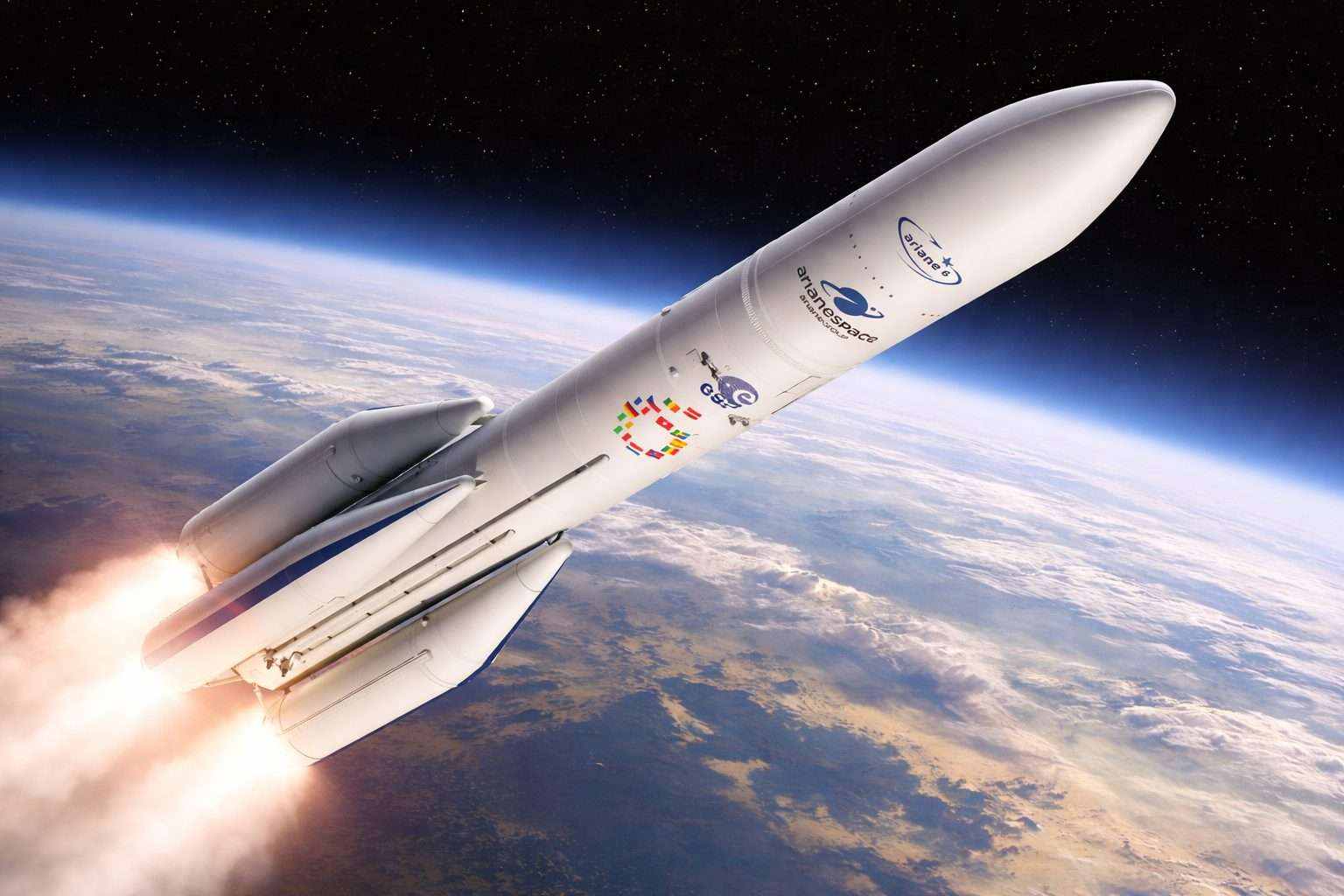
The European Union’s space agency has inked a new deal to send two second-generation Galileo navigation satellites into orbit aboard Europe’s Ariane 6 rocket, reinforcing its push to handle critical launches within the bloc. Recently, the EU has relied on Elon Musk’s SpaceX for several Galileo missions.
This contract goes beyond just two satellites. European officials are ramping up efforts to cut reliance on U.S. suppliers and services in defense and space sectors. Galileo stands out as one of the rare infrastructures the bloc controls, serving as an alternative to the U.S. Global Positioning System.
In Brussels this week, France’s space minister Philippe Baptiste made a strong case for the EU to ditch non-European parts and reduce dependence on foreign systems. Speaking at the European Space Conference, he emphasized, “We need to have autonomous access to space,” warning against continuing reliance on outside suppliers. Reuters
EUSPA, the European Union Agency for the Space Programme, announced it has signed a new launch contract with Arianespace for the L18 mission, acting under delegation from the European Commission. This will mark Ariane 6’s fifth flight supporting Galileo, following its inaugural Galileo mission set for Dec. 17, 2025. Rodrigo da Costa, EUSPA’s executive director, described the agreement as a key step in “strengthening the Union’s space autonomy.” EU Agency for the Space Programme
Arianespace confirmed the L18 contract builds on an earlier mission assigned in April 2024, with two more Ariane 6 flights planned to wrap up Galileo’s first-gen constellation on missions L15 and L16. The company added that the fourth Galileo launch aboard Ariane 6, labeled L17, will deliver the first pair of second-generation satellites, followed by L18. CEO David Cavaillolès highlighted the recent Galileo launch as proof of Ariane 6’s “accuracy” for critical payloads. Newsroom Arianespace
Galileo delivers positioning and timing data essential for phones, aircraft systems, shipping, financial networks, and secure government uses. The EU agencies describe the “second generation” satellites as upgrades designed to boost performance and resilience.
Returning to a European rocket underscores a commercial challenge. European satellite operators keep choosing SpaceX since it offers lower prices and a faster launch schedule.
Ariane 6, Europe’s latest heavy launcher, is still finding its footing with flight tests and production after significant delays. For Brussels, establishing a reliable launch schedule is as much about politics as engineering.
The schedule poses a real risk. If Ariane 6 faces more delays, the rollout of new Galileo satellites could stall, pushing officials into tough spots where they might have to book launches outside Europe for a program marketed as sovereign.
European Commission officials present Galileo not just as a commercial offering but as a key element of the bloc’s security framework. Timo Pesonen, the Commission’s director-general for defence industry and space, called the programme a path toward “a robust, secure, and fully European navigation system.”
The contract lays out the next moves: wrap up the first generation with L15 and L16, then dive into the second with L17 and L18. The challenge is sticking to that timeline while SpaceX continues its flight cadence.