
WARSAW, Jan 30, 2026, 10:42 CET
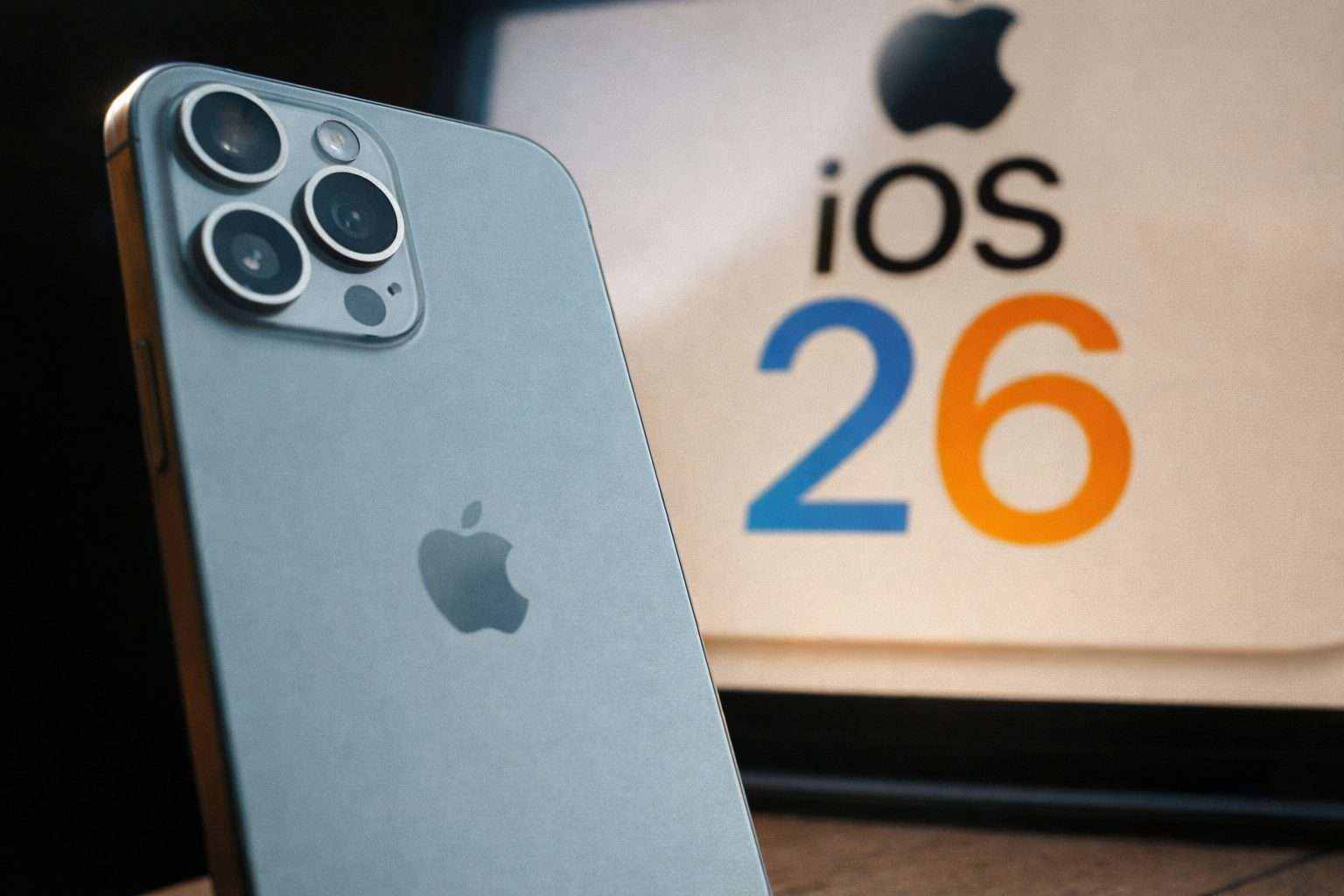
- Apple is rolling out a new “Limit Precise Location” feature for select iPhones and iPads running iOS 26.3
- Apple claims this feature reduces the precision with which mobile networks can pinpoint a device’s location
- iOS 26.3 rolls out new features exclusive to Europe, built to meet the EU’s interoperability rules
Apple rolled out a new option for iPhones and iPads that obscures the precise location data sent to mobile networks. This privacy-driven change also underscores the widening divide between features available in Europe versus other parts of the world.
The “Limit Precise Location” feature is available on the iPhone Air, iPhone 16e, and cellular iPad Pro (M5) models running iOS 26.3. Currently, only a few carriers support it: Telekom in Germany; AIS and True in Thailand; EE and BT in the UK; and Boost Mobile in the US. Techcrunch
Police and intelligence agencies are increasingly turning to telecom companies for location data. At the same time, criminals and state-backed hackers are targeting carriers to snatch sensitive customer info. This points to a subtler kind of tracking: data the network pulls straight from the phone itself.
Telecom operators figure out a phone’s location by tracking the cell towers it links to. But the handset can sharpen that estimate, explained Gary Miller, a mobile security expert and Citizen Lab researcher who’s now senior director of network intelligence at iVerify.
“Most people don’t realize devices can share location data outside of apps,” Miller said. “While apps may have GPS access restricted, the devices themselves still send precise location data over the network without control.”
Apple’s support document notes that turning on this setting “reduces the precision of location data available to cellular networks.” It won’t affect location details shared with apps or emergency responders during a 911 call. Apple hasn’t clarified the purpose of the feature, and an Apple spokesperson declined to comment when contacted by TechCrunch. Apple
Apple’s iOS 26.3 update is bringing Europe-only features to comply with the EU’s Digital Markets Act (DMA). Among the new additions: notifications can now be forwarded to third-party smartwatches with reply support, non-Apple headphones gain AirPods-style quick pairing, and NFC access is expanded for tap-to-pay and other functions. There’s also a new high-bandwidth Wi-Fi link for accessory connections. According to BGR, Apple hasn’t yet dropped a “Release Candidate” build—the near-final version—so the rollout might slip past their usual late-January timeline. Bgr
The DMA acts as the EU’s crackdown on dominant digital “gatekeepers,” compelling Apple to allow greater interoperability on iOS and iPadOS with competing devices. This directly challenges Apple’s core strength: the smooth ecosystem linking iPhone, Watch, AirPods, and more. Europa
The EU is advocating for features that Android already offers. For example, Google’s Fast Pair uses Bluetooth Low Energy (BLE) to make linking accessories like headphones nearly effortless — just open the case and the connection happens automatically, much like Apple’s AirPods experience.
Apple frames the carrier-location restriction as a privacy measure, not a new app permission. This distinction matters for users who think they’ve “turned off location” simply by tweaking app settings.
The EU’s interoperability updates focus mostly on commercial features. If third-party watches begin managing notifications the way the Apple Watch does, and wallets or transit apps get direct NFC chip access, accessory makers will find new ways to compete on iPhone—at least in the EU.
Apple’s stock edged up about 0.6% in premarket action.
The fine print reveals the truth. Carrier-location settings apply only to a handful of recent models and select networks. Europe-only features, on the other hand, depend largely on manufacturers for deployment. Broadening access to advanced functions—such as notification delivery, NFC, and device-to-device connections—raises the risk of fraud and security gaps if protections fall short or approvals stall.
iOS 26.3 comes across as a two-part release: a targeted privacy update that could grow over time, alongside Europe-specific changes driven more by regulations than user demand, designed to make the iPhone play nicer with rivals.