
New York, Jan 31, 2026, 08:16 (EST)
- Sources say SpaceX made about $8 billion in profit on $15 billion to $16 billion in revenue in 2025.
- Bankers have floated an IPO that could raise more than $50 billion at a valuation above $1.5 trillion.
- Starlink accounts for 50% to 80% of revenue and has more than 9 million users, sources say.
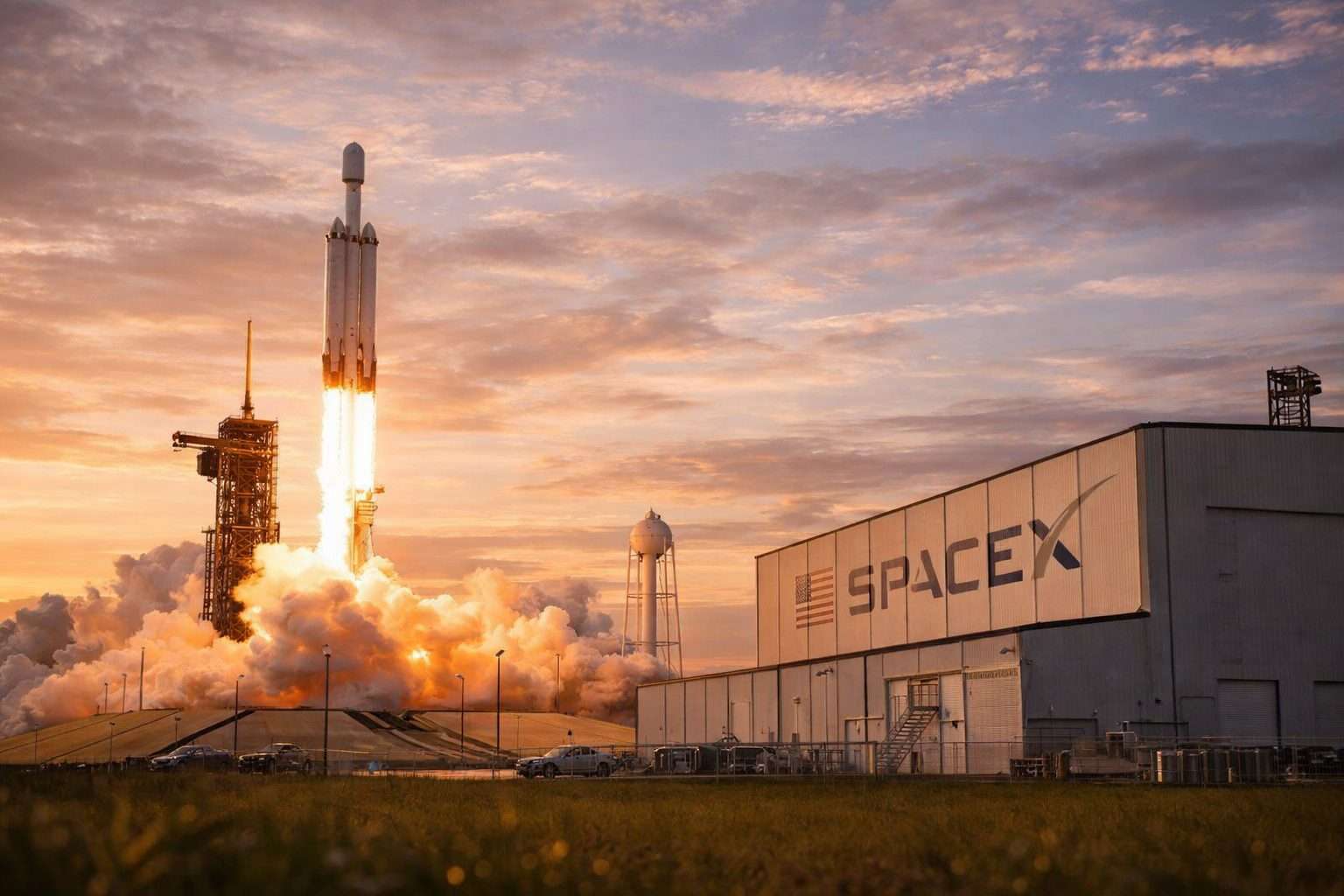
SpaceX generated about $8 billion in profit in 2025 on $15 billion to $16 billion of revenue, two people familiar with the company’s results said, offering a rare look at Elon Musk’s rocket-and-satellite business as it prepares to list its shares later this year. SpaceX did not return a request for comment.
The figures, which have not been previously reported, have already shaped early banker estimates that SpaceX could raise more than $50 billion at a valuation above $1.5 trillion, the people said. They added that the timetable being discussed is close to Musk’s 55th birthday on June 28.
Investors rarely get this kind of baseline on the closely held company, and the numbers arrive as Wall Street tries to figure out what, exactly, it would be buying into. They also show how much cash the satellite business is throwing off to fund SpaceX’s next wave of hardware.
The profit number was EBITDA — earnings before interest, taxes, depreciation and amortization — a measure of operating performance that strips out financing costs and some accounting charges. Starlink accounts for about 50% to 80% of revenue, the people said.
SpaceX has launched about 9,500 Starlink satellites since 2019 and now has more than 9 million users, the people said, making it the world’s largest satellite operator. Revenue from Starlink and government contracts tied to it, including a military-grade network called Starshield, has helped fund development of the next-generation Starship rocket.
SpaceX bought $19 billion worth of wireless spectrum — the airwaves used to carry signals — from EchoStar last year as it expands Starlink into direct-to-device service, where phones connect straight to satellites without a user terminal, the people said. Musk expects Starship, which has flown 11 test missions since 2023, to begin launching payloads this year, they added. He has linked that rocket to an idea for putting AI data centers in orbit, a risky and nascent pursuit.
SpaceX is also in talks with xAI about a merger ahead of the IPO, a person briefed on the matter said, and regulatory filings showed. Gene Munster at Deepwater Asset Management said it was “highly likely that xAI ends up with one of the two parties”, while Dennis Dick at Stock Trader Network said, “Musk has too many separate companies”. For SpaceX, a deal could complicate the offering while adding momentum to plans for space-based AI data centers in a race with OpenAI, Meta Platforms and Alphabet’s Google. Reuters
A bigger mash-up that pulls in Tesla looks harder, analysts and investors say, because the carmaker is public and any merger would need to clear valuation and shareholder hurdles. Andrew Rocco at Zacks Investment Research said “most Tesla/SpaceX investors are invested for the sole sake of betting on Elon Musk”. Reports of possible deal talks have pushed investors to game out what gets folded in — and at what price. Reuters
But the timing, valuation and even the shape of any deal remain fluid, and SpaceX has not outlined a public schedule for listing. Starship is still in a test phase, and both direct-to-device satellite service and orbital data centers remain unproven businesses that could absorb cash fast.
For now, Starlink’s growth is doing the heavy lifting, according to the people familiar with the results. Whether that is enough to carry a record offering — and whatever comes attached to it — is what bankers and investors are trying to pin down.