
BEIJING, Feb 4, 2026, 01:11 (GMT+8)
- China mandates visible door handles inside and out, plus a mechanical release that functions without electricity
- New models need to meet the standards starting Jan. 1, 2027; older approved models get until Jan. 1, 2029 to comply
- An analyst warned the change might trigger expensive redesigns and could impact regulations beyond China
Starting in 2027, China’s industry ministry plans to outlaw “hidden” car door handles—those flush designs Tesla made famous and that Chinese automakers like Xiaomi have adopted. The move comes amid growing safety concerns. Reuters
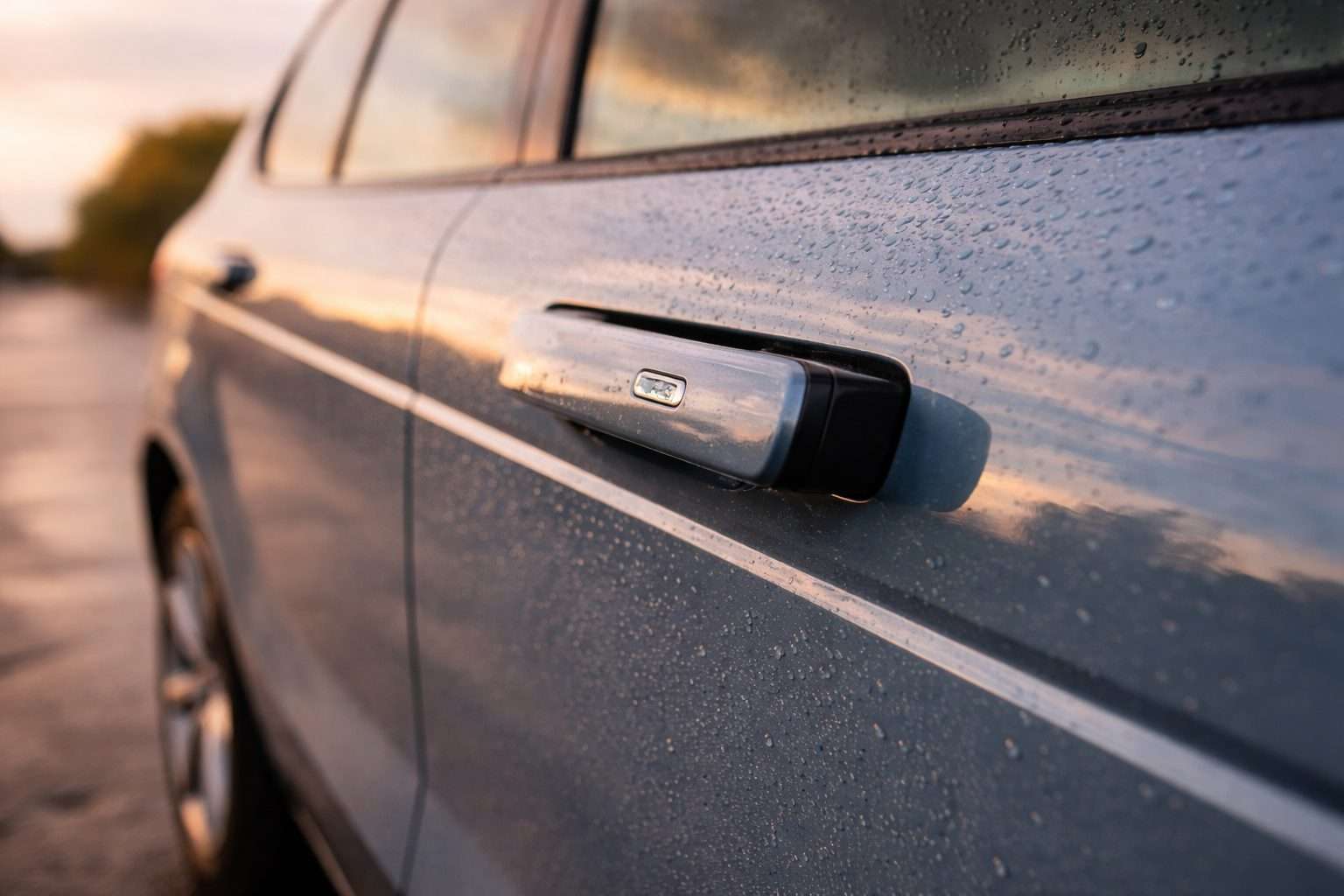
Retractable handles usually lie flush with the door and pop out electronically, activated by a key fob, a phone app, or a touch on the panel. Regulators have raised concerns that these handles might be hard to see or fail if power is lost, making rescue efforts after a crash more difficult.
The updated safety rules demand that every car door includes both exterior and interior handles, plus a mechanical release—a physical pull that operates independently of electricity. The standard also specifies where exterior handles need to be positioned and how they must function during a crash. Interior handles, meanwhile, must be clearly visible. Electric handles remain allowed, but only as a complement to the manual release.
The rule kicks in for new vehicle models starting Jan. 1, 2027, but models already approved get a grace period until Jan. 1, 2029, to update their designs. Details shared Monday clarified that tailgates are exempt from the requirement. A draft of these rules was released last year for public feedback.
Officials say the policy targets accidents where electronically operated doors malfunction, trapping passengers inside. Back in October, Chinese state media reported a Xiaomi SU7 Ultra driver died because bystanders couldn’t open the door to rescue him from a burning vehicle.
Similar worries have popped up beyond China as well. Last year, the U.S. National Highway Traffic Safety Administration launched an investigation into Tesla’s Model 3 emergency door-release controls following reports that the doors were tough to open.
Tesla didn’t reply right away to a request for comment on Tuesday. Xiaomi also stayed silent and hasn’t publicly addressed the incident reported by Chinese media.
This shift might push design tweaks across China’s packed EV market, hitting models like Tesla’s Model 3 and Model Y, plus BMW’s iX3 and more. Automakers have favored flush door handles not just for looks but also for a bit of aerodynamic edge.
Chris Liu, a senior analyst based in Shanghai with Omdia, warned the new rule might ripple worldwide as regulators elsewhere watch China set a precedent. “China is the first major automotive market to explicitly ban electrical pop-out and press-to-release hidden door handles,” he noted. Liu described retractable handles as “a design and aerodynamic statement” that could force expensive redesigns or retrofits. Apnews
China Daily reported that over 60% of the top 100 hybrid and electric vehicles sold in China in April 2025 came with hidden door handles, highlighting how common the design has become in recent models.
The timeline is tight for manufacturers who designed styling and tooling around flush handles, especially in premium EVs where the feature is part of the appeal. The rule permits electronic handles but requires a manual backup, forcing new engineering work even for brands aiming to preserve the design.