
MADRID, February 3, 2026, 16:09 CET
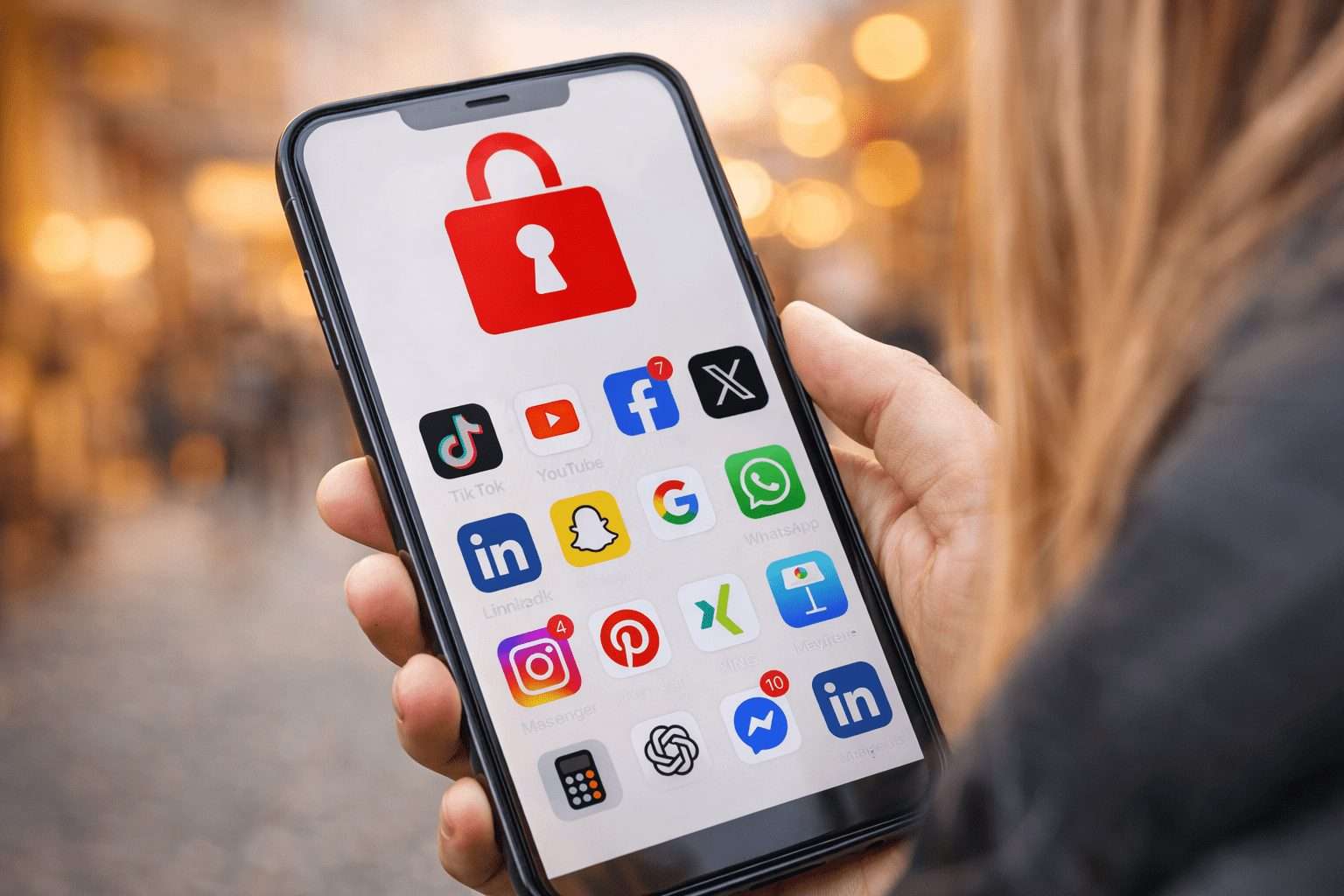
- Spain is set to introduce a ban on social media use for under-16s as part of a minors’ digital protection bill currently before parliament.
- The prime minister announced a separate bill that would make platform executives responsible for illegal and hate speech content.
- The proposal arrives while several European governments consider teen bans and stricter enforcement across borders.
Spain plans to introduce a bill next week aiming to hold social media executives responsible for illegal and hate speech content, Prime Minister Pedro Sanchez announced Tuesday. The government also intends to ban social media use for anyone under 16.
This development ramps up pressure on tech companies already under tighter scrutiny in Europe, where authorities accuse apps of designing addictive features and exposing kids to dangerous content. It comes amid the European Union’s Digital Services Act, which demands platforms crack down on illegal content, clashing with free-speech issues. The controversy reignited this month following reports that Elon Musk’s Grok chatbot produced nonconsensual sexual images, some involving minors.
Greece is on the verge of announcing a ban for children under 15, according to a senior government source. Australia led the way in December, becoming the first country to block social media access for under-16s. Similar proposals are under consideration in the United Kingdom and France. Governments cite increasing screen time and concerns over youth mental health as driving factors.
Speaking at the World Governments Summit in Dubai, United Arab Emirates, Sanchez laid out the plan. “We will no longer accept that,” he told attendees, vowing to shield minors from the “digital Wild West.”
He added that Spain has teamed up with five other European nations in a Coalition of the Digitally Willing, aimed at coordinating cross-border regulation and enforcement. The group plans to meet in the next few days, though he did not reveal who the other members are.
Sanchez said the draft would criminalise “algorithmic manipulation”—tweaks to recommendation systems that can amplify posts—and penalise boosting illegal content. He also pushed for age checks that go beyond simple check boxes, plus a system to monitor hate speech online.
Sanchez said prosecutors plan to investigate potential legal violations not only by Grok but also by TikTok and Instagram, both owned by Meta. Representatives from X, Google (under Alphabet), TikTok, Snapchat, and Meta had yet to respond to requests for comment.
At the summit, Sanchez slammed the biggest tech companies for allowing illegal content to spread, including child sex abuse material and nonconsensual deepfakes—AI-generated images or videos that appear real. He urged governments to stop “turning a blind eye.” Australia’s ban holds platforms accountable if they fail to block children from opening accounts, while Denmark and France have pushed forward similar age restrictions for under-15 users. Apnews
Spain’s left-wing coalition has frequently raised concerns over hate speech, pornographic material, and disinformation spreading on social media. They argue these issues disproportionately affect young users.
A government spokesperson confirmed the under-16 ban will be added to a current bill on digital protections for minors, which is now under discussion in parliament. No specifics on the age-verification system were shared.
Public backing appears strong. Ipsos surveyed 30 countries last August and found 82% of Spaniards supported banning social media for kids under 14, a jump from 73% in 2024.
Miguel Abad, a 19-year-old student from Madrid, believes the idea might encourage kids to play together again instead of glued to their phones in parks. Down in Australia, the internet regulator reported last month that nearly 5 million teen accounts were shut down within weeks after the ban kicked in.
Critics caution the plan risks slipping into censorship and could be tough to enforce on worldwide platforms. Pepa Millan from the far-right Vox slammed the government, accusing it of trying to “cling to power.” Meanwhile, effective age checks that actually keep minors out bring up privacy and logistical concerns.