
SAN FRANCISCO, Feb. 3, 2026, 09:11 PST
- Waymo secured $16 billion in funding, pushing its post-money valuation to $126 billion
- Dragoneer, DST Global, and Sequoia spearheaded the round; Alphabet continues as the majority owner
- Waymo is ramping up its paid, fully driverless robotaxi service amid growing competition and ongoing regulatory safety reviews
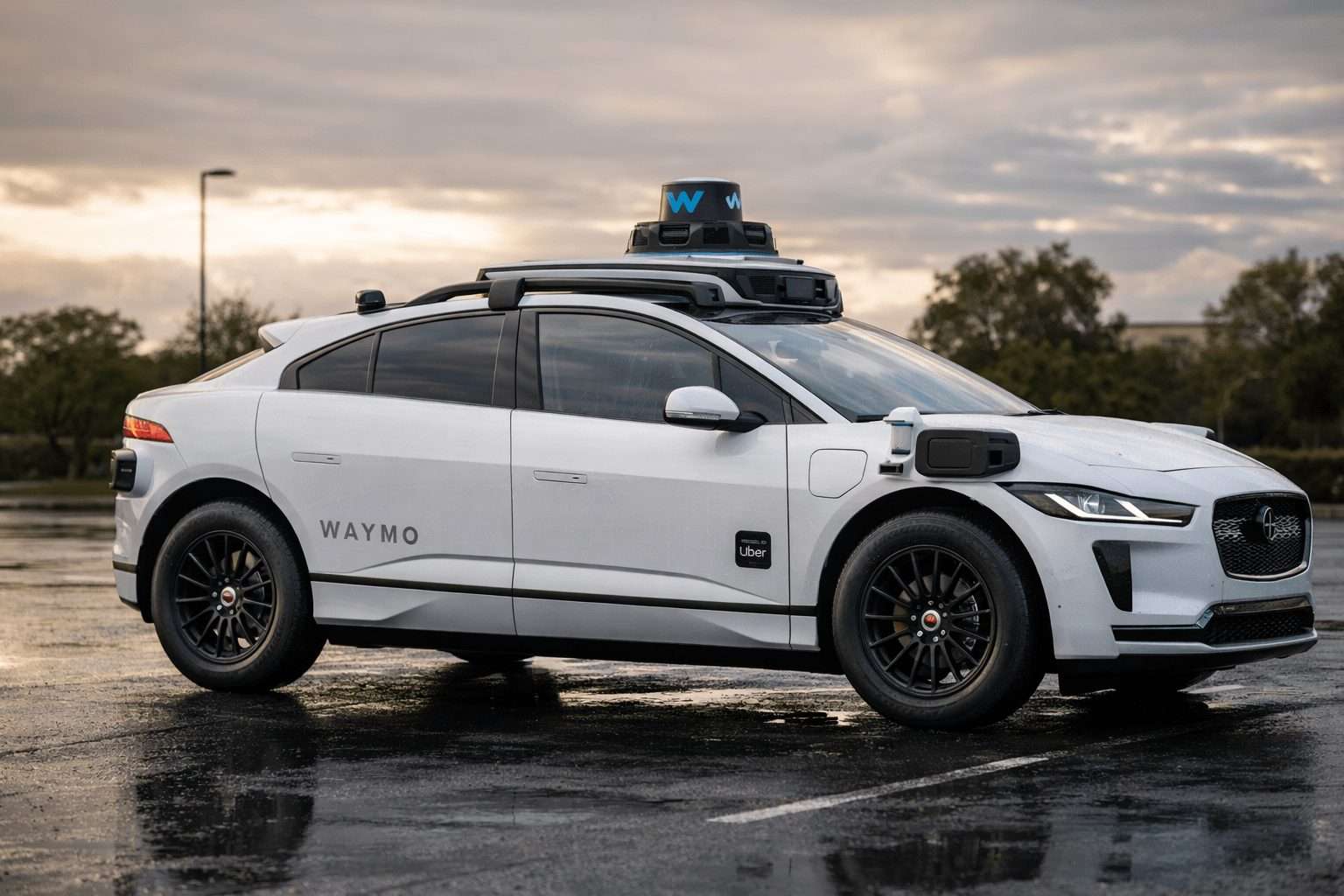
Alphabet’s self-driving division Waymo announced it secured $16 billion in new funding, pegging its post-money valuation at $126 billion. The financing round was spearheaded by Dragoneer Investment Group, DST Global, and Sequoia Capital. Other participants included Mubadala Capital, Andreessen Horowitz, and T. Rowe Price.
The size of the round is significant since robotaxis represent one of the priciest bets in commercial AI, as companies push to shift from demos to regular service amid stricter safety oversight. Waymo continues to pull ahead in the U.S., where most competitors still depend on safety drivers, restricted routes, or free pilot rides.
This comes as investors demand evidence that “AI in the real world” can generate actual revenue, rather than just producing research papers and flashy demos. Waymo is already selling rides, and this funding boost lets it expand its vehicle fleet and enter new cities ahead of growing competition.
Waymo’s co-CEOs, Tekedra Mawakana and Dmitri Dolgov, said the funding will fuel faster growth both across the U.S. and internationally. In the same announcement, Sequoia partner Konstantine Buhler noted that Waymo has “moved beyond research milestones to achieve operational excellence.” Dragoneer partner Jared Middleman added that the company expects its lead in the field to “endure.” Waymo
Waymo says it tripled its ride volume in 2025, hitting 15 million trips for the year. The company now runs over 400,000 rides weekly across six major U.S. metro areas. Its fleet tops 2,500 robotaxis, with plans to expand into at least 20 more cities in 2026, The Verge reported.
The latest valuation marks a steep rise from its previous external funding round in 2024, when it was pegged at roughly $45 billion, data from Tracxn cited by Reuters shows. Alphabet separated Waymo from Google’s self-driving initiative back in 2016.
Waymo is touting its scale as a major advantage. The company reports 127 million miles driven fully autonomously and asserts a sharp drop in serious injury crashes compared to human drivers, though it doesn’t reveal the specifics behind these claims in its blog post.
Competition is heating up. Tesla has shifted focus, making robotaxis a key priority instead of just electric vehicles. Meanwhile, Amazon’s Zoox has been giving free robotaxi rides in Las Vegas and some San Francisco neighborhoods, Reuters reported.
Money alone won’t smooth out the rough edges in this business. Robotaxis need expensive sensors and onboard computers, and operators constantly oversee trips from afar. Plus, fleets demand charging, cleaning, and sensor calibration—a growing list of expenses that pile up well before profits arrive.
Safety concerns and regulators pose a bigger risk. Last week, the National Highway Traffic Safety Administration announced an investigation into a Waymo self-driving car that hit a child near a California elementary school. This incident highlights how a single event can halt growth plans or trigger stricter regulations.
Waymo hasn’t shared a detailed timeline for launching in new cities yet. It did say it’s prepping for more than 20 markets in 2026 and has its eyes on international spots like Tokyo and London. The funding is solid, but how fast they expand depends on permits, public acceptance, and if their tech can handle chaotic streets as smoothly as it does in controlled environments.