
TOKYO, Feb 4, 2026, 19:20 JST
- Reports reveal new Sony model identifiers linked to the Xperia 1 VIII and Xperia 10 VIII have appeared in the GSMA IMEI database
- Codes suggest variants aimed at Japan, Europe, and some Asian markets, but there’s no obvious U.S. model listed
- Sony hasn’t officially revealed the phones yet; IMEI listings usually pop up before launches.
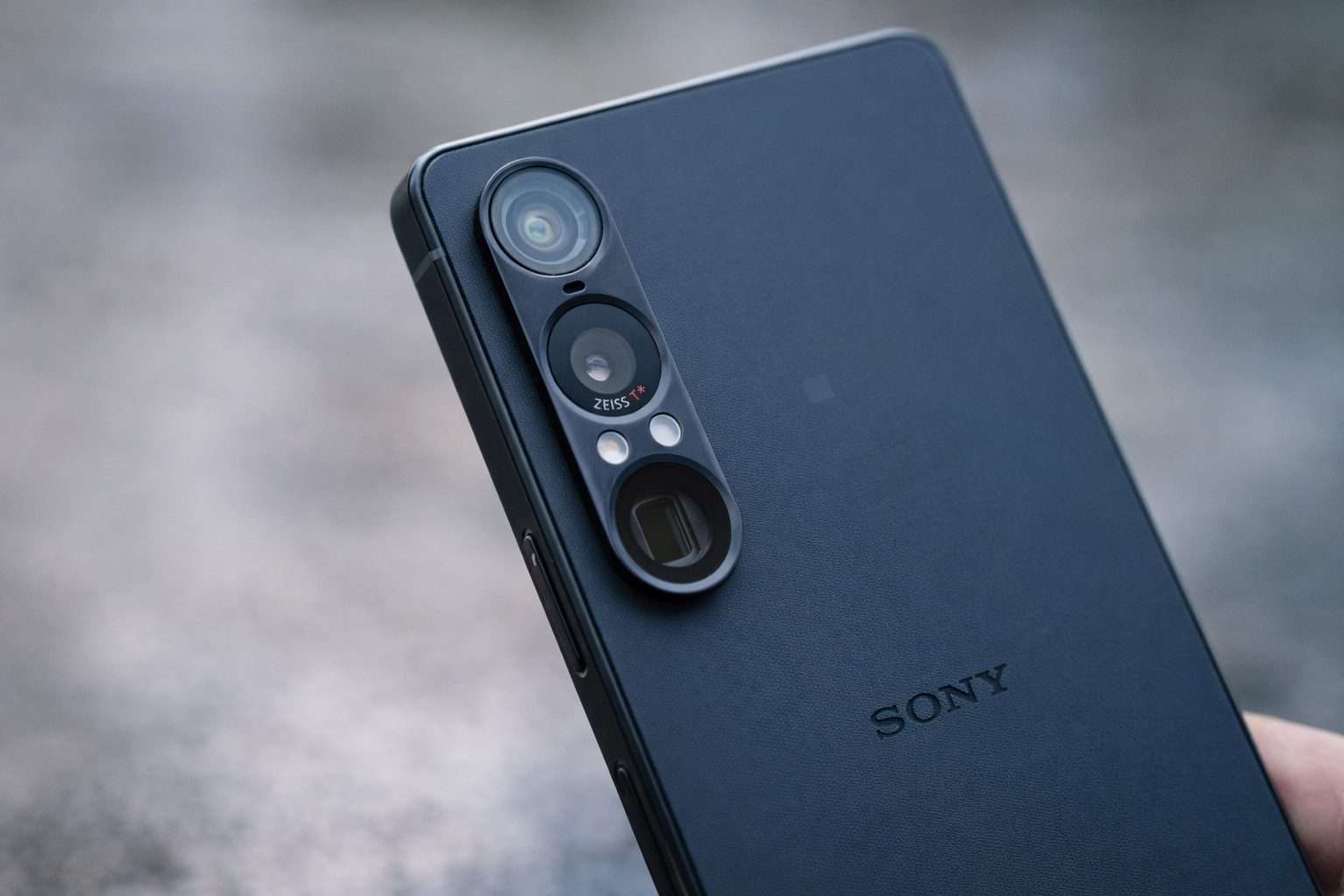
New Sony model numbers tied to the upcoming Xperia flagship and a mid-range sibling have popped up in a global handset identifier database. This adds fuel to the fire that the Xperia 1 VIII and Xperia 10 VIII are gearing up for launch across multiple markets.
These sightings are significant given Sony’s smartphone division has repeatedly faced doubts over its long-term dedication and market presence, especially as the premium Android segment becomes tougher to penetrate without carrier backing and wide distribution.
The model codes hint at Sony focusing on Japan, Europe, and parts of Asia. The United States, however, appears missing once more.
Japanese tech blog S-Max spotted several entries in the GSMA database under “PM-15xx-BV” identifiers, which correspond to retail-style model numbers, PhoneArena reports. The listings include PM-1520-BV (XQ-GE54), PM-1521-BV (XQ-GE74), and PM-1525-BV (XQ-GE44), believed to be variants of the Xperia 1 VIII. For the Xperia 10 VIII, the entries are PM-1533-BV (XQ-GH44), PM-1534-BV (XQ-GH54), and PM-1535-BV (XQ-GH74). Phonearena
IMEI, or International Mobile Equipment Identity, serves as a unique identifier for handsets on cellular networks. The GSMA keeps a database of “Type Allocation Codes” assigned to phone makers beforehand, though it doesn’t detail the full specs. Findarticles
Android Authority reported that earlier database leaks hinted at an Xperia 1 VIII, while the newest entries reveal several variants of that model alongside a device from the 10 series. The listings, however, don’t include suffixes indicating a U.S. launch.
Sony hasn’t confirmed the handset or any launch dates, and database entries often show up months before a product actually drops. That said, PhoneArena points out the absence of a U.S.-bound code fits with Sony’s recent habit of passing on the American market with its latest flagship models.
If Sony’s new models hit the market this year, they’ll be competing once more in the premium space ruled by Apple’s iPhone and Samsung’s Galaxy series—where camera quality and chip speed are key selling points. According to PhoneArena and Gadgets360, the Xperia 1 VIII will probably pack Qualcomm’s upcoming Snapdragon 8 Elite Gen 5 chip, while the Xperia 10 VIII is expected to stick with a Snapdragon 6-series processor.
Sony is standing by its Xperia range, framing it as a key piece in a wider communications strategy. On an earnings call last year, CFO Lin Tao emphasized that Xperia remains “a very important business for us.” 9To5Google
IMEI listings don’t equate to product launches. They might just reflect test units, and the final names, release dates, and markets could easily change—especially for a brand that’s cutting back on regions and launching sporadically.
Usually, additional hints emerge from other certifications and filings, uncovering radio bands and specific hardware info. For now, the GSMA database just shows that Sony’s next Xperia cycle is in motion.