
New York, Feb 17, 2026, 11:36 EST — Regular session on the tape.
- Eli Lilly stock added roughly 0.9%, trading near $1,049 by late morning.
- An executive at Lilly said the company is looking to make India a supply-chain hub to “supply the world.”
- Investors want more specifics when the CFO appears March 2.
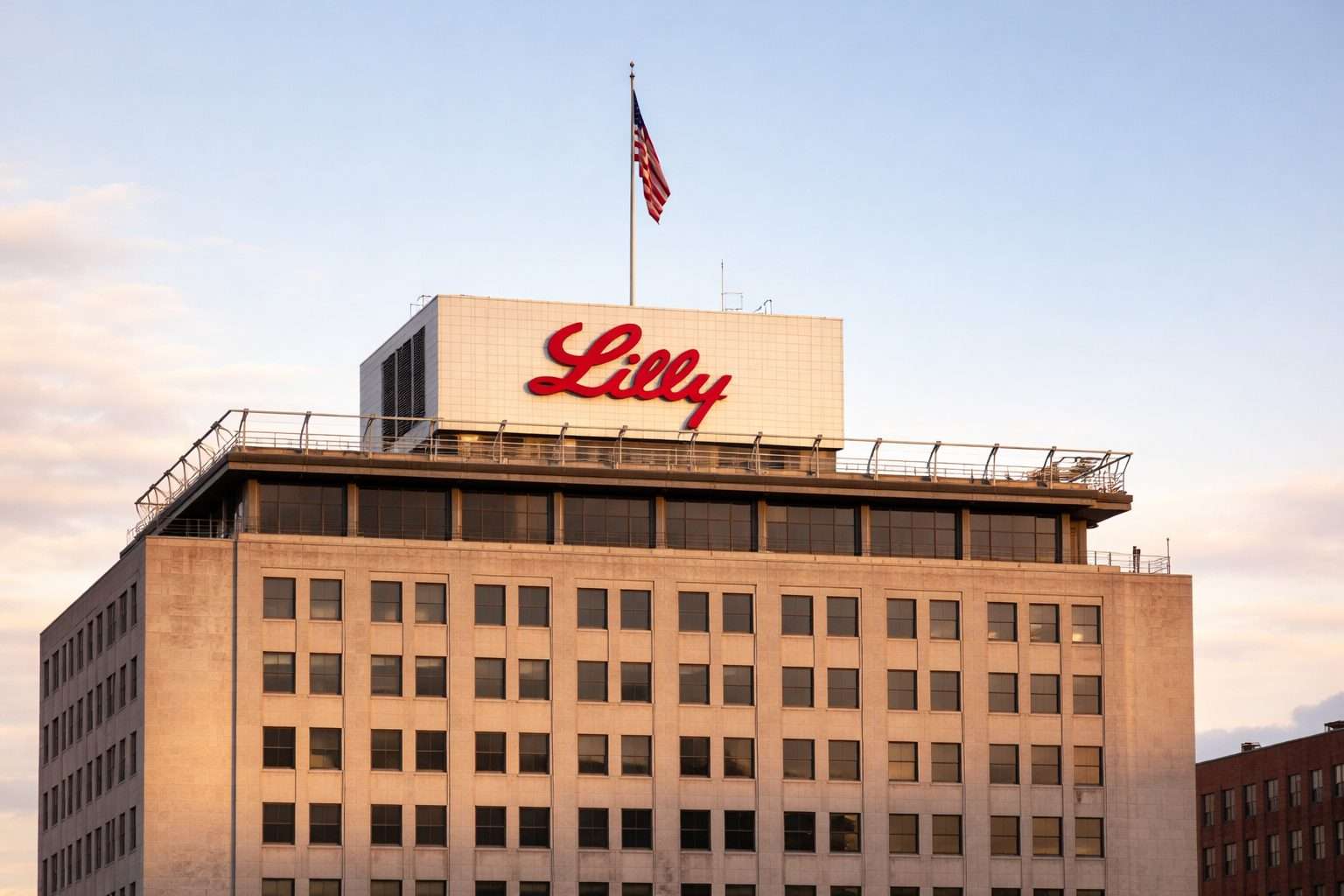
Eli Lilly and Company shares picked up $9.45, or 0.9%, to reach $1,049.45 in late-morning trading Tuesday. The move came as the drugmaker mapped out plans to make India a key node in its global supply chain. “We are actually looking at India to be a hub … supplying the world,” Lilly India president Winselow Tucker told Reuters. Reuters
Why it matters now: These days, Lilly’s shares often move as a proxy for the whole obesity-drug trade, with investors betting on continued growth—unless supply hiccups or more aggressive price competition start to bite.
Shares usually catch a bump at the first sign of expanded manufacturing or a quicker launch in major new markets — even if the news breaks overseas.
Lilly is putting $1 billion behind contract manufacturing in India, aiming to ship medicines made there to global markets. The company also wants to roll out more products in India, including its Alzheimer’s drug donanemab.
Eli Lilly notched a win in a late-stage trial for its Retevmo (selpercatinib) therapy, the company reported Monday. The drug met its main goal in a study of patients with a genetic subtype of non-small cell lung cancer, showing a benefit in event-free survival when used after surgery or primary treatment, aiming to reduce the risk the cancer comes back. Some data, including overall survival, aren’t ready yet; more results are expected down the line. “Cancer medicines can deliver their greatest impact when administered early,” said Jacob Van Naarden, president of Lilly Oncology. PR Newswire
The oncology update is, yet again, what bulls are hoping for—signs of new catalysts outside the well-worn diabetes and obesity story, even as weight-loss drugs continue to hog the spotlight for the stock narrative.
That story’s gone worldwide. Investors are tracking Lilly’s large-scale manufacturing, speed of delivery, and whether it can hang on to its pricing edge as competitors and alternative formats jump in.
India’s dynamic is unmistakable. With Novo Nordisk’s semaglutide patent expiring in the country next month, local companies are gearing up to launch lower-cost generics of Wegovy, according to Reuters. Novo responded last year by slashing Wegovy prices in India by as much as 37% to maintain its position. Lilly, for its part, has pitched Mounjaro as “priced … for value,” Tucker said, and is using partnerships plus digital channels to push deeper into markets outside India’s main cities. The Economic Times
Novo Nordisk is still the main rival here, with both players racing to expand access and roll out easier-to-use options. If prices start slipping, whether in India or outside, that’ll quickly show just how much appetite there really is for the obesity trade.
March 2 is shaping up as the next key date, with Lilly CFO Lucas Montarce set to deliver remarks at TD Cowen’s health care conference. The company confirmed the session will be available by webcast, with a replay offered later.
Right now, traders want to hear specifics from management about supply strategies, market growth, and the schedule for new data. First up: what Montarce shares on March 2.