
Paris, Feb 19, 2026, 12:29 CET — Regular session
- Air France-KLM shares jumped roughly 12% in Paris as the airline posted its strongest full-year performance on record.
- The airline is projecting capacity growth of 3% to 5% for 2026, and aims to lift its margin by 2028.
- After a turbulent stretch in energy markets, fuel prices—and those early-year disruption costs—are back in focus.
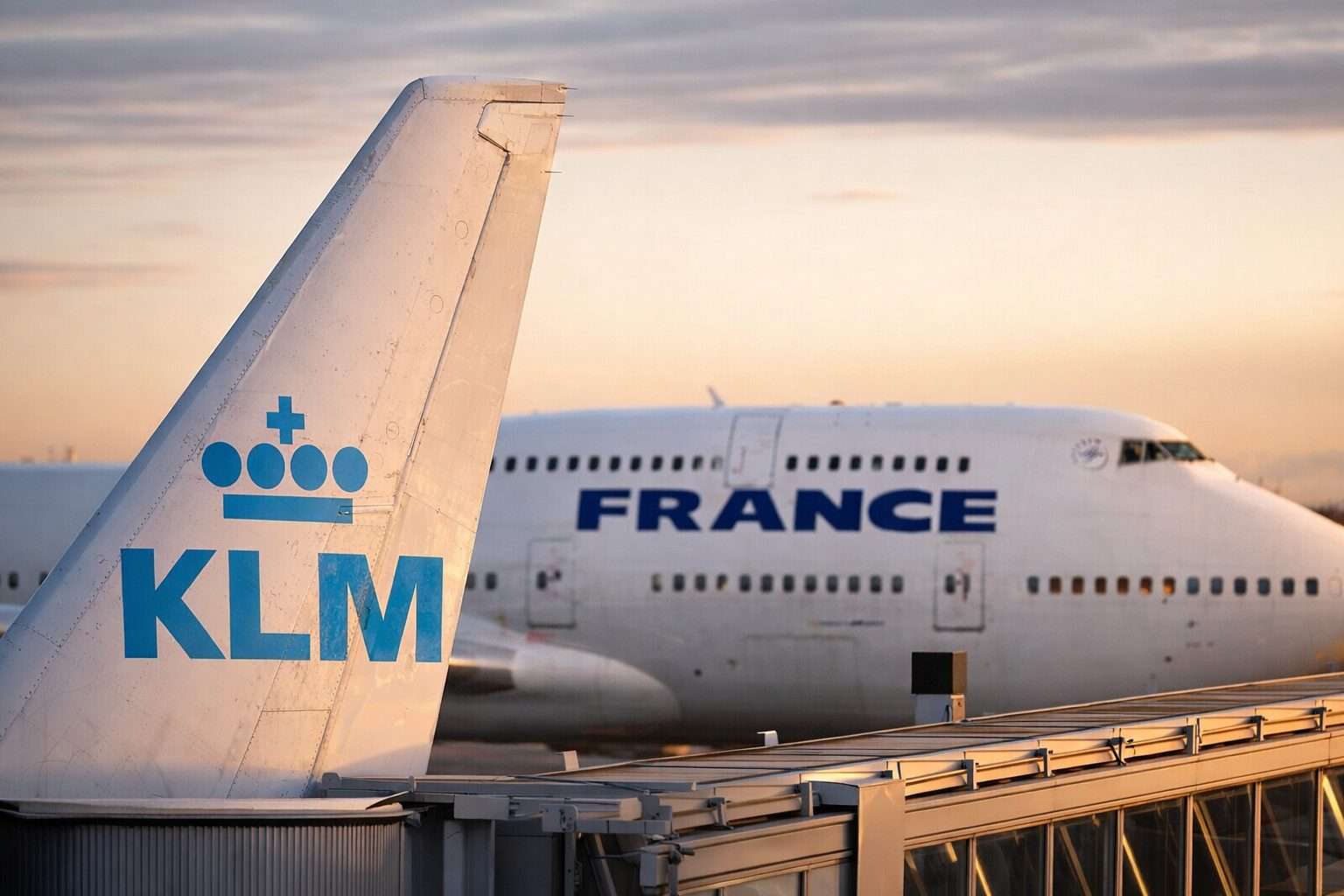
Shares of Air France-KLM SA (AIRF.PA) surged nearly 12% to 13.00 euros on Thursday after the airline posted a record annual profit and detailed its outlook for 2026. The stock hit an intraday high of 13.45 euros, up around 16%, putting it among the session’s top movers.
This is significant for airlines, stuck in a tight spot—premium fares remain the main support, yet costs are ticking higher. Investors are watching to see if the “better cabin, higher yield” strategy still holds up after the easy gains from lower fuel begin to disappear.
Timing is a factor too. Europe’s approaching its spring and summer booking window, with the market already looking ahead to 2026—before the next wage negotiations, airport fee adjustments, and the latest geopolitical swings hit jet fuel.
Air France-KLM reported its 2025 EBIT topped 2 billion euros—crossing the mark for the first time and beating the LSEG analyst forecast of 1.88 billion euros. That’s roughly a 400 million euro increase on 2024. CEO Ben Smith credited strong premium demand and upgrades like faster Wi‑Fi, new lounges, and an updated first class, but flagged rising costs, including higher charges at Amsterdam’s Schiphol airport. “Our airlines carried over 100 million passengers and generated an operating result of more than 2 billion euros — a first in our history,” Smith said in a statement. Reuters
The group’s full-year report showed recurring adjusted operating free cash flow at roughly 1.0 billion euros. Net debt to current EBITDA leverage landed at 1.7x, while cash holdings totaled 9.4 billion euros. Looking out to 2026, management projects available seat kilometres rising 3% to 5%, unit costs ticking higher by as much as 2%, and net capital spending running near 3 billion euros. They also reaffirmed plans to lift their SAS stake to 60.5%, aiming to wrap up that increase in the back half of 2026. Severe January weather is set to drag down first-quarter operating profit by approximately 90 million euros, the company noted.
There was a snag in the airline’s green credentials. Air France-KLM failed to hit a greenhouse-gas intensity reduction target tied to its January 2023 sustainability-linked bonds—those bonds come with climate pledges. The company reported a cut of about 4.6%, less than half the 10% target set from 2019 levels, according to figures cited in a report.
Fuel remains the clearest wildcard. Brent closed Wednesday up 4.35% at $70.35 a barrel, spooked by concerns over U.S.-Iran tensions and possible supply hits—a sharp reminder of how fast airlines’ biggest cost line can move. “The oil market is pricing in additional risk of a supply disruption,” said Andrew Lipow, president of Lipow Oil Associates. Reuters
Costs are still the other big headache. Airport fees and payroll don’t usually spike overnight, but even without surges, they can quietly squeeze margins if ticket prices soften. Rapid normalization in premium demand before airlines adjust capacity could spell trouble.
Traders are eyeing whether the post-results jump lasts through the close. They’ll also be listening for any management comments on balancing unit cost controls with ongoing spending on cabins and refreshing the fleet.
The next date on the calendar: the group drops first-quarter 2026 earnings on April 29. Investors are also eyeing updates from peers—watch for IAG’s numbers, coming Feb 26—which should offer more color on transatlantic pricing and demand.