
Sydney, March 2, 2026, 17:33 (AEDT) — Trading after hours.
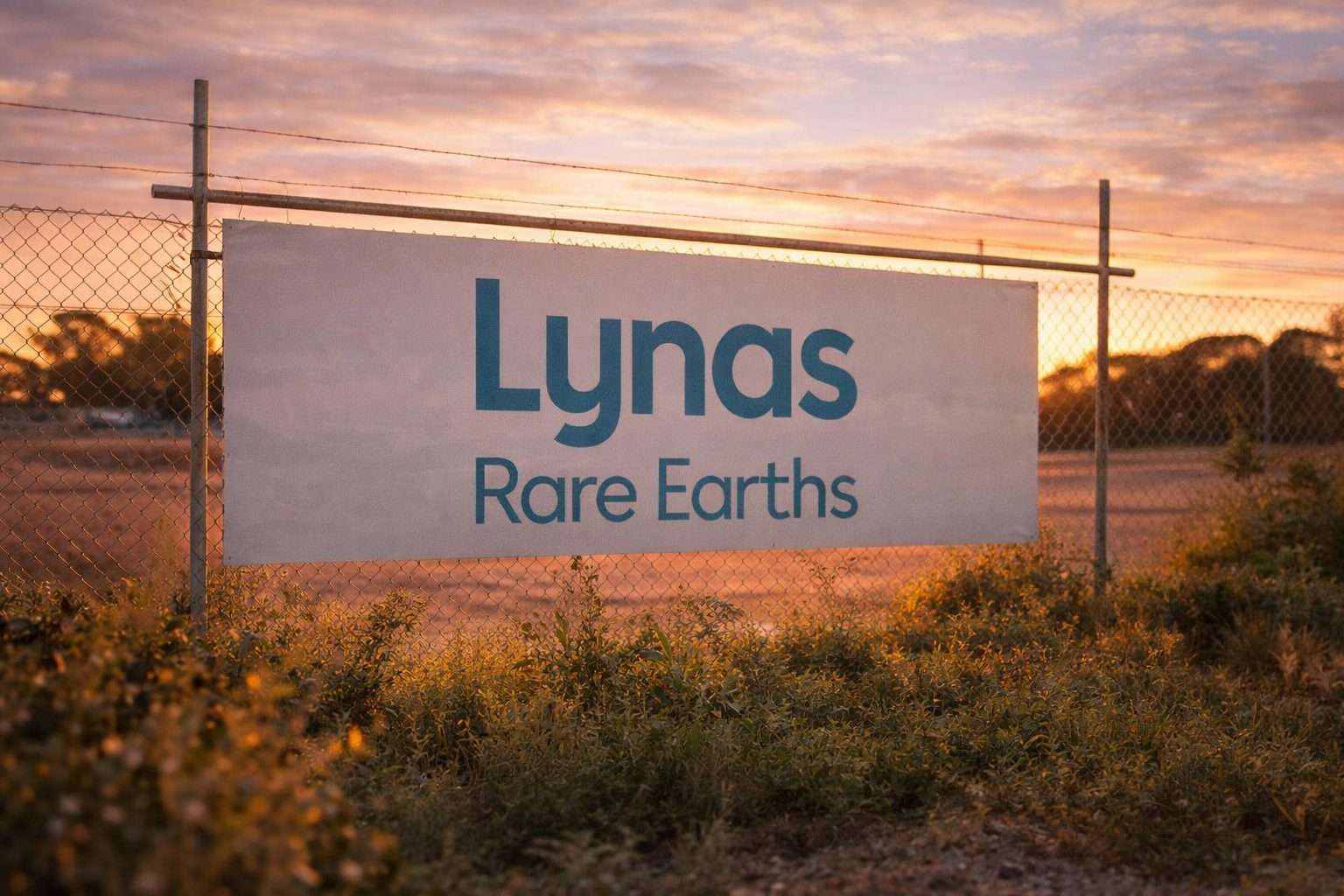
Lynas Rare Earths Ltd LYC.AX shares surged as much as 7% to A$20.30 on Monday, a level not seen since Oct. 21, 2025, after Malaysia extended its operating licence for another decade—allowing continued imports of raw material containing naturally occurring radioactive material and ongoing rare earths processing. This rally came despite the ASX 200 dropping around 0.5%. Malaysian regulators had previously imposed tighter restrictions on the licence over radiation concerns tied to Lynas’s cracking-and-leaching process. The company has been pouring roughly A$180 million into building a new separation plant in the country.
Investors have seen this pressure before, but now it’s letting up. The permit ruling for Lynas’ Malaysian facility matters—a lot—since that’s where the concentrate gets processed into separated products. One decision from regulators in Malaysia, and it can overshadow the rest of the market action.
The timing isn’t great for supply-chain politics in this space. Investors looking to avoid China have precious few large-scale choices, and Lynas stands out—one of the rare liquid plays that can react sharply to a single regulatory update.
Cracking and leaching—a chemical method for breaking down rare-earth concentrate to separate out the elements—has come under the closest watch. The main issue: residue from this process, which calls for long-term management.
Lynas shares climbed roughly 5.4% to A$20.00 following the news, outpacing their earlier close of A$18.98. The stock moved between A$19.25 and A$20.30.
Shares rallied sharply, even as the overall market drifted lower. The magnitude of the move underlined just how closely the stock’s story has hinged on permitting risk lately—commodity prices alone haven’t been driving the action.
Traders’ focus shifts to the details, not the top-line news. They’ll be zeroing in on Malaysia’s requirements for residue management and monitoring, as well as any timeline specifics. Any tweaks to operational flexibility will get close attention, too.
Execution risk is part of the package with any expansion, ramp-up, or scale-out effort. No surprise there. Investors are watching for consistent processing and reliable output—minor operational hiccups can throw off delivery, and that doesn’t go over well with customers who expect things on time.
The downside risk is simple enough: paperwork lands with stricter terms than anticipated, costs climb, and schedules slip. Should rare earth prices also weaken, shares could turn sharply lower.
Lynas confirmed its licence is locked in for another decade, starting March 3. The regulator will issue the formal document later. CEO Amanda Lacaze pointed to the longer term as offering “greater investment certainty” for Lynas, alongside its customers and supply-chain partners.