
New York, April 25, 2026, 18:06 (EDT)
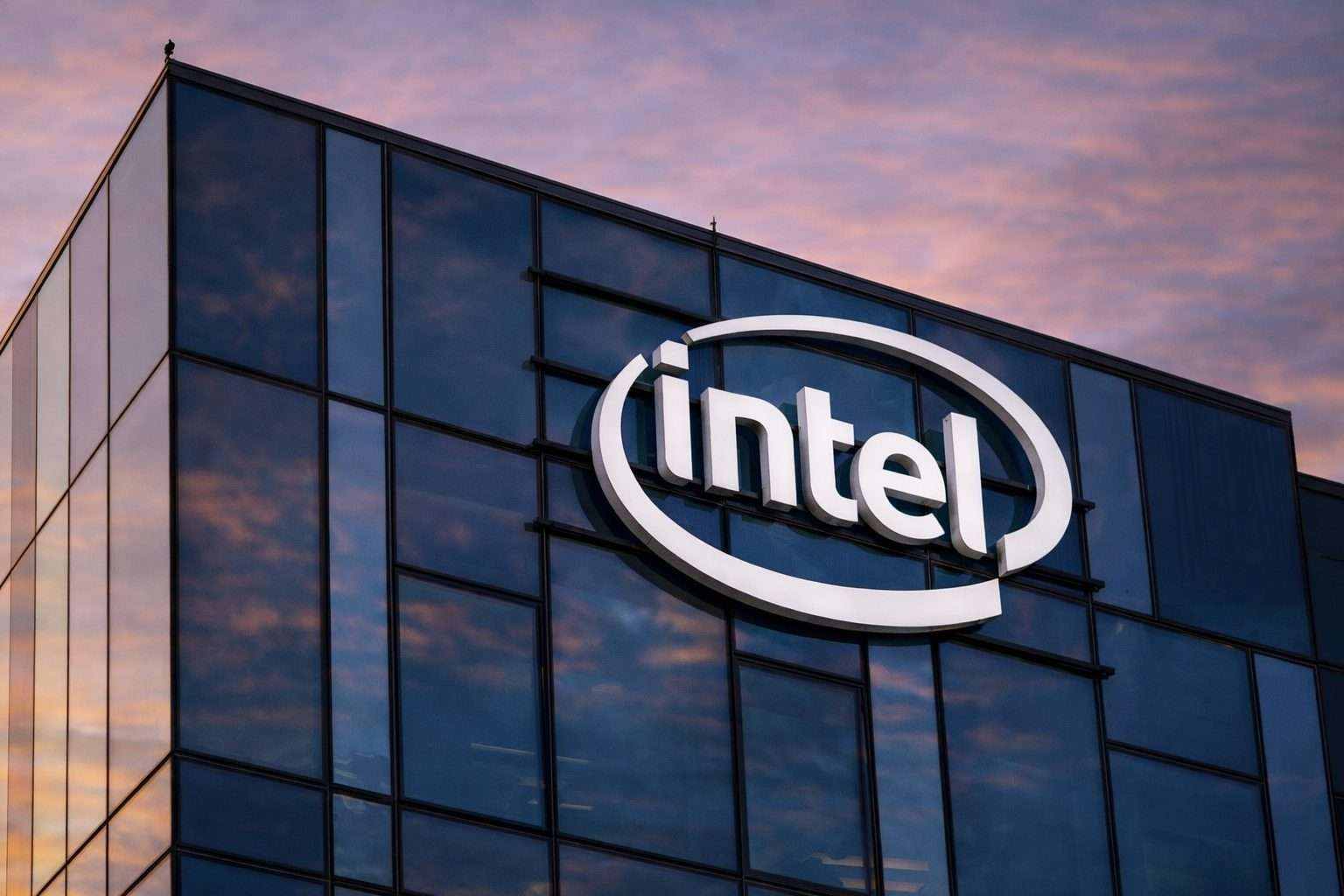
Intel’s shares surged 23.65%, powering both the S&P 500 and Nasdaq Composite to fresh record highs Friday as upbeat sales guidance—driven by AI demand—sparked a rally in chipmakers. The S&P 500 added 0.80% to 7,165.08, while the Nasdaq advanced 1.63% to 24,836.60. The Dow didn’t join the party, slipping 0.16%.
This all comes down to timing. Next week, earnings from Microsoft, Alphabet, Amazon, Meta and Apple are on deck, with the Fed meeting thrown in for good measure. Intel’s surge landed first, serving as an early gauge: is AI-fueled spending still enough to prop up these lofty market caps after the run-up? “A big week for confirmation of the rally,” said Anthony Saglimbene, chief market strategist at Ameriprise. Reuters
It wasn’t just about Nvidia’s graphics processors anymore. Intel’s announcement shifted the spotlight back to CPUs—the central processors powering both servers and PCs, and now, managing AI inference tasks like running trained models to generate responses. “AI build-out race is still on,” said Angelo Kourkafas, senior global investment strategist at Edward Jones. Reuters
Intel posted a 7% year-over-year jump in first-quarter revenue, reaching $13.6 billion, with adjusted earnings landing at 29 cents per share. For the second quarter, Intel expects revenue between $13.8 billion and $14.8 billion, and adjusted earnings of 20 cents a share—these adjusted numbers exclude certain costs and accounting charges. CEO Lip-Bu Tan pointed to the “increasing need for Intel’s CPUs” driven by a new AI wave, while CFO David Zinsner highlighted what he called “unprecedented demand for silicon.” Intel Corporation
Tan’s comments delivered what investors had been waiting for: demand is outpacing supply, particularly for Xeon server CPUs. He noted that Intel 3-based Xeon 6 and Intel 18A-based Core Series 3 chips have entered full-volume production ramp. In other words, those products are now scaling up to mass output.
It was a messy quarter. Intel disclosed a GAAP net loss of $3.73 billion, weighed down by $4.07 billion in restructuring and related charges. On the foundry side, operating loss hit $2.44 billion, even as revenue climbed to $5.42 billion. Execution, factory utilization, and demand from external customers are all still up in the air—none of these questions are resolved.
Chip stocks moved higher across the board. AMD and Arm surged, Nvidia wrapped up at another record, and the Philadelphia Semiconductor Index added 4.32%, now up for the 18th session in a row. The key takeaway: Intel’s outlook is being read as a bellwether for sector-wide chip demand, rather than just a one-off turnaround story.
The gap between U.S. tech and European equities widened after the move. Reuters said the STOXX 600 closed in the red, slipping 2.5% over the week, while the S&P 500 and Nasdaq managed small weekly gains. U.S. AI demand kept drawing capital, despite persistent tension in energy markets linked to the Middle East conflict.
The mood shifted over the weekend. President Donald Trump scrapped a scheduled visit to Pakistan by envoys Jared Kushner and Steve Witkoff for Iran peace negotiations, Fox News said, chipping away at the diplomatic optimism that had lifted markets Friday. Oil prices had pulled back then on hopes of progress, but any fresh rally in crude could stoke inflation worries and pressure company earnings forecasts.
Washington isn’t sitting this one out. Back in August, the U.S. signed on for a 9.9% equity position in Intel, spending $8.9 billion in a deal tied to federal chip funding. The agreement has pulled Intel’s stock surge into the public-policy arena—no longer just a market move.
Now comes a tighter, more immediate hurdle. Big Tech has to prove that heavy AI capex — spending on data centers, chips, the works — keeps paying off in top-line growth, even as the Fed likely sits on rates and addresses the Iran war’s economic ripple. Should Intel’s read hold up in the numbers, Friday’s action could spill wider; otherwise, the rally risks looking like a jammed trade, not a real turnaround.