
MILAN, March 4, 2026, 16:04 CET
- Stellantis, Toyota and Subaru are missing from Tesla’s carbon-credit pool as it’s being rebuilt for 2026, according to an EU filing.
- Automakers use the pool to combine their fleets, letting them hit EU emissions targets together for compliance.
- Tesla is under renewed scrutiny regarding demand for its regulatory credits, with Europe’s rules now shifting to a 2025–2027 average.
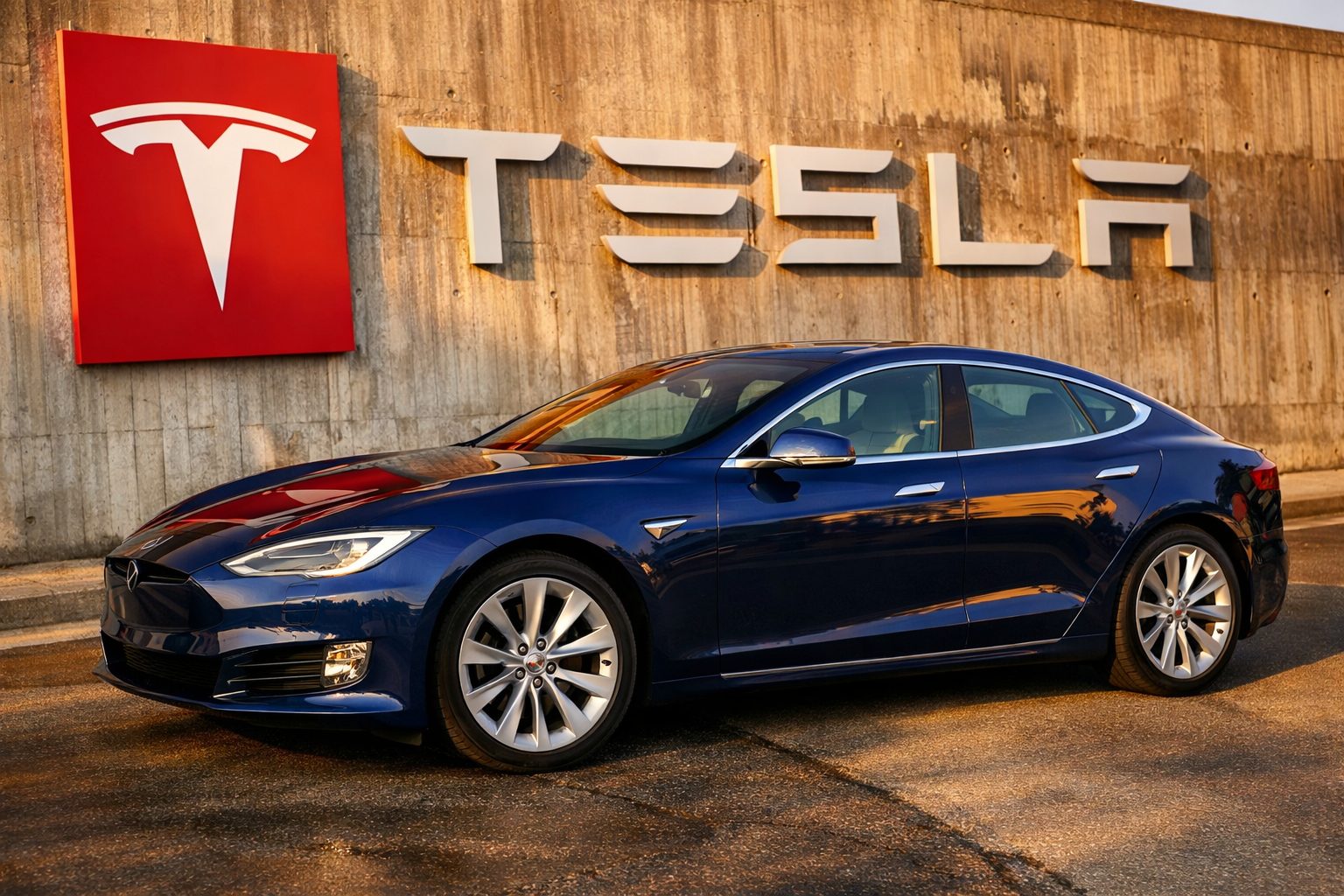
An EU filing reveals Stellantis, Toyota, and Subaru have exited the Tesla-led carbon-credit pool for 2026—unlike last year, when all three participated. The European Commission has eased its stricter fleet emissions rules, now allowing automakers to average out emissions across 2025-2027 instead of focusing only on the end of 2025.
The absence of those names is significant—pooling often costs less than racking up EU penalties, and for automakers buying into a cleaner fleet, it shows up as a straight expense. For Tesla, fewer buyers for its regulatory credits puts more pressure on the automaker, especially with demand fluctuating and competition intensifying in Europe.
EU regulators call it a “pool”—basically, manufacturers band together, merging their fleet emissions on paper so cleaner models can cancel out dirtier ones. These deals let companies trade compliance, but the cost almost always falls hardest on whoever’s furthest from their CO2 targets.
Tesla’s carbon pool is set to include Stellantis, Toyota, and Subaru for 2025, joining earlier entrants like Ford, Honda, Mazda, and Suzuki. But by 2026, a Feb. 27 filing shows that the Tesla-led group is back without Stellantis, Toyota, or Subaru. As of Wednesday, no alternative pools had surfaced. Stellantis confirmed it’s out for now but left the door open to joining. A Toyota Europe spokesperson said it’s still too soon to determine if they’ll need to pool at all.
Matthias Schmidt at Schmidt Automotive Research sees the exits as part of a bigger strategic pivot, with traditional automakers focused on narrowing their emissions deficits. In his view, Stellantis might turn increasingly toward alliances and regional manufacturing — a way to sidestep anti-subsidy tariffs already imposed, while also insulating itself from the risk of more protectionist moves in Europe.
According to its Reuters profile, Tesla’s business model hasn’t dropped automotive regulatory credit sales—they remain part of the mix next to vehicles and energy. Credit revenue can jump or retreat significantly year to year, all hinging on competitors’ EV output and shifting regulatory deadlines.
The line-up isn’t set yet. Carmakers still have time to sign on this year, and with the EU moving to multi-year averaging, companies might hold off until they see 2026 sales numbers. They can then decide: pay for credits, or gamble on their own electrified vehicles doing the job.
Germany’s IG Metall union is pushing for greater sway at Tesla’s Gruenheide factory outside Berlin, where workers are casting ballots for a new works council. Results are due later Wednesday. “Our issues are clearly striking a chord with our colleagues,” said IG Metall lead candidate Laura Arndt, following a campaign punctuated by legal skirmishes and mutual accusations between union representatives and plant management. Reuters