
LONDON, April 26, 2026, 20:10 BST
- UK airlines insist there’s no jet fuel shortage, though ministers are stepping in with measures to curb any potential disruption if supply tightens.
- Lufthansa will axe 20,000 short-haul flights through October as surging fuel costs bite.
- Airlines and regulators say the real worry is that price pressure could morph into a supply crunch just as the busy summer travel season approaches.
Britain is dialing back on requirements for airlines to fly every scheduled route, as Europe’s jet fuel crunch shifts from a boardroom headache to something travelers are starting to notice, just before the summer rush.
UK officials are urging calm for now. Airlines say they aren’t facing shortages, and passengers are being advised there’s no need to alter plans. Refunds or re-routing remain owed if flights don’t go ahead. Still, with the government moving on airport slots, ministers look to be bracing for a rougher stretch if fuel supply issues drag on.
Airport Coordination Limited, which oversees UK airport slots, is now able to waive the “use it or lose it” rule for airlines hit by cancellations due to fuel shortages, according to the Guardian. Airlines typically face losing their prized take-off and landing slots if they don’t run enough flights. The Guardian
Ministers are lining up broader Iran-war contingency measures, The Times reported, aiming to let airlines shift summer schedules well ahead of time—rather than scrambling to cancel flights at the last minute. Airlines had already flagged worries: if the Strait of Hormuz closes—a vital channel for oil and gas—fuel supplies could tighten exactly when vacation travel hits its high point.
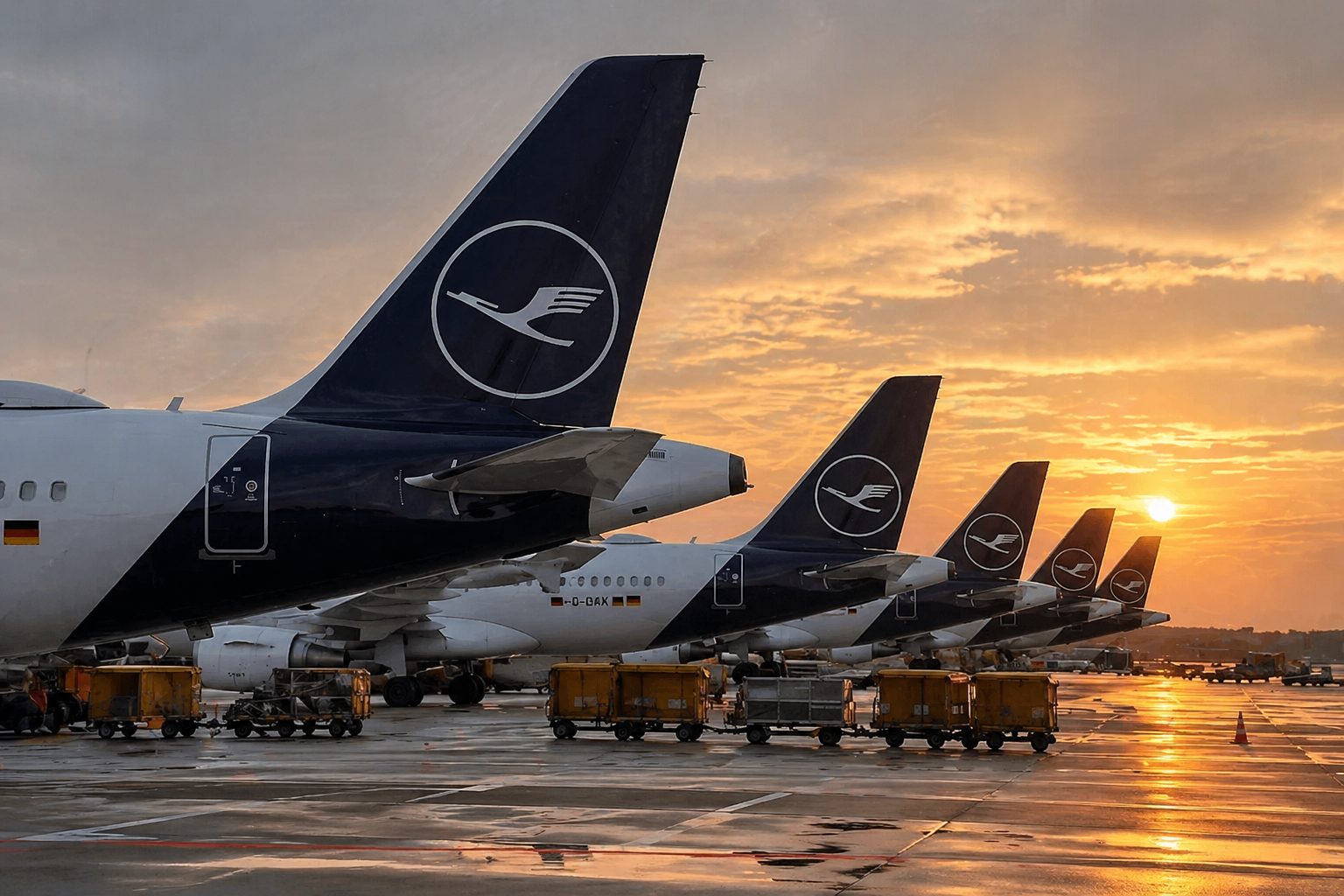
Europe’s feeling the strain. Lufthansa Group plans to pull 20,000 short-haul flights from its schedule through October, trimming group capacity by just under 1% in available seat kilometres—a gauge that multiplies seats by the distance flown. According to the German carrier, axing these flights should save upwards of 40,000 metric tons of jet fuel. Most of the cuts hit less profitable routes out of Frankfurt and Munich, with some of the freed-up capacity rerouted through Zurich, Vienna, and Brussels.
The European Commission has launched a fuel observatory, focusing first on jet fuel, and is working on new guidance for airlines covering slots, passenger rights, and public service obligations. EU transport commissioner Apostolos Tzitzikostas said supplies remain steady “as of today.” Still, he cautioned that a long-term closure of the Strait of Hormuz could spell disaster for Europe and the global economy. Reuters
European airlines are feeling the pinch. The region relies heavily on jet fuel imports, more so than for any other transport fuel. Earlier this month, Reuters said carriers warned they could face shortages within weeks if Middle Eastern supply stays cut off.
Fatih Birol, who leads the International Energy Agency, told the Associated Press Europe is looking at “maybe six weeks or so” before jet fuel runs short. He warned that some flights might get cancelled “soon” if oil imports keep getting choked by the Iran war. Nearly a fifth of the world’s traded oil typically moves through Hormuz when there’s no conflict, the AP noted. AP News
Airlines are on the clock. Willie Walsh, director general at the International Air Transport Association, described the IEA outlook as “sobering” and flagged a risk: jet fuel shortages could force cancellations in Europe before May’s end. He urged action—alternative supply chains, coordinated rationing, plus slot relief. IATA
Fares are feeling the pinch too. British Airways-owner IAG said Friday it’s bumping up ticket prices to offset pricier jet fuel, though the group noted it isn’t experiencing supply snags. An IAG spokesperson pointed to government flexibility—like airport slot relief—as key for helping carriers keep handling ongoing cost pressure without stalling travel or trade.
Peer group performance is mixed. Air France-KLM tacked on a jet fuel surcharge to select fares, but easyJet and TUI flagged profit warnings, citing jitters from the Iran conflict and Hormuz shipping snarls. Jet2, the UK-based tour operator, made clear it won’t tack on any fuel surcharge for flights or holiday bookings this summer.
A price surge could quickly morph into an outright supply crunch. EU energy commissioner Dan Jorgensen told Sky News it’s “very likely” travelers will see holiday cancellations or be forced to pay sharply higher fares, though he stressed this is about prices for now—supply hasn’t been hit “yet.” Even in the best outcome, he cautioned, the price shock might stick around. Sky News
Britain faces a lingering economic hit that might stretch well beyond the end of hostilities, ministers are cautioning. Darren Jones, chief secretary to the prime minister, flagged that Britons could be dealing with pricier energy, groceries, and flights for “eight-plus months” after the Strait of Hormuz reopens and tensions settle down. Airlines, airports, and travelers are all left tracking the same issue: whether fuel makes it to the right airports before summer flights start getting cut. The Guardian