
NEW YORK, March 7, 2026, 00:56 EST
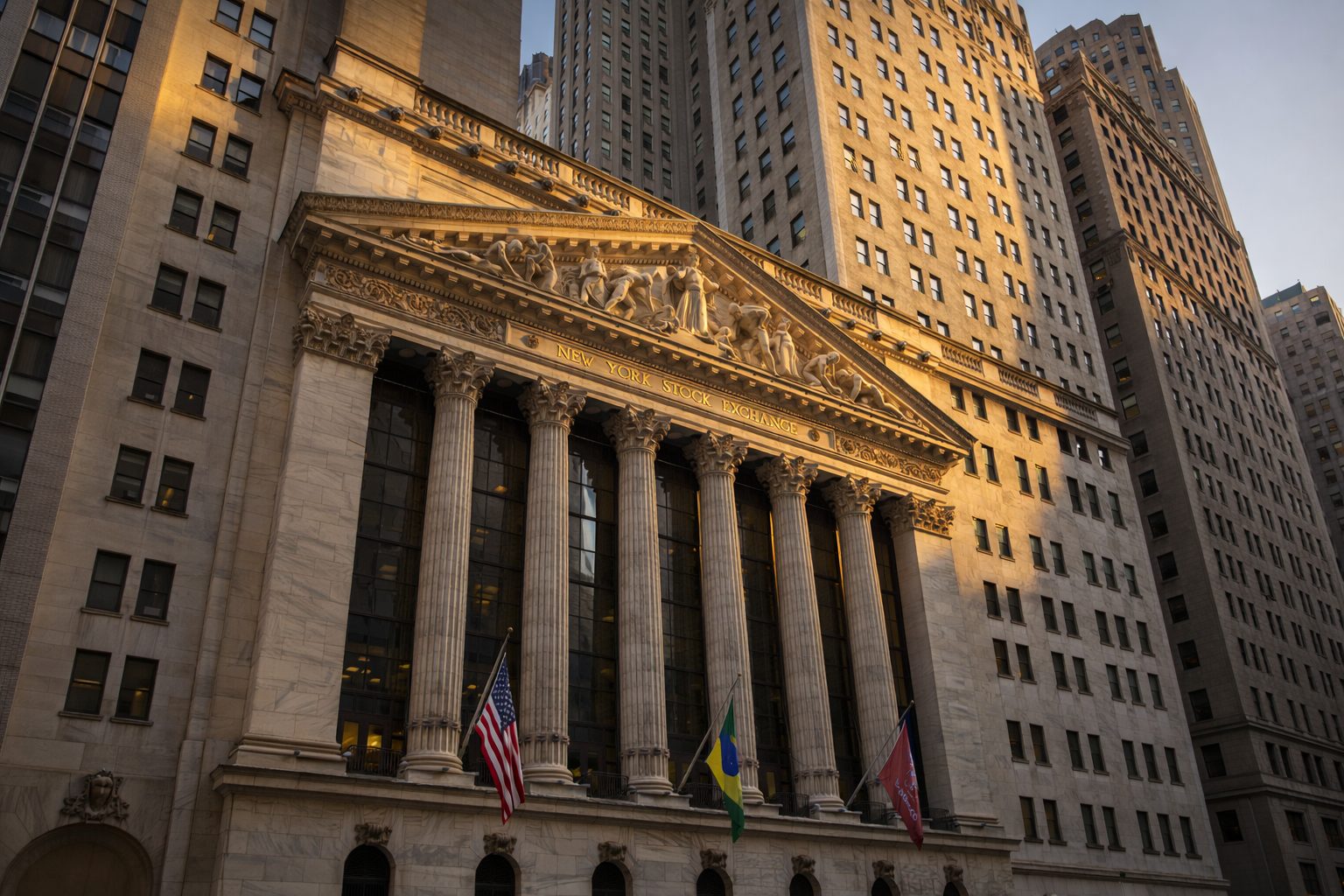
Last week ended with Wall Street struggling, as traders at the New York Stock Exchange contended with a sharp jump in oil prices driven by conflict and an unexpected dip in U.S. payrolls. Stocks took a hit on Friday, with the Dow dropping 3.01%—its steepest weekly slide since early April 2025. The S&P 500 ended down 2.02%, and the Nasdaq finished off by 1.24%.
This shift is catching investors in a bind: two conflicting pressures have landed at once. Normally, a softening job market would fuel the case for Fed rate cuts. But rising oil prices are stirring inflation fears again. Investors responded by yanking $21.92 billion out of U.S. equity funds during the week through March 4, LSEG Lipper data shows—the biggest pullback in two months. Still, traders pushed the probability of a June rate cut past the 50% mark.
Most of the week’s losses came on Friday. The Dow shed 0.95%, while the S&P 500 slid 1.33% and the Nasdaq tumbled 1.59%. The Cboe Volatility Index—Wall Street’s so-called fear gauge—spiked, finishing at its highest level since April 2022. Kristina Hooper, chief market strategist at Man Group, pointed to conflict and climbing oil prices, calling into question “whether the Fed will even be able to cut rates.” Reuters
The nonfarm payrolls numbers landed hard: U.S. employers slashed 92,000 jobs in February, a sharp reversal from the Reuters survey that had penciled in a gain of 59,000. Unemployment ticked up to 4.4%. Fitch economist Olu Sonola summed it up—“bad news whichever way you look at it.” Reuters
Thursday’s action set things up early. The Dow dropped 1.61% with U.S. crude reaching $81 a barrel—oil prices took the spotlight. “Oil tells you everything you need to know” about the stock slide, said Michael Antonelli, market strategist at Baird Private Wealth Management. JPMorgan Chase and Goldman Sachs dragged financials down and hit the blue-chip index, but Chevron gained 3.9%. Southwest Airlines slumped 6.9% as investors favored energy over travel. Reuters
Pressure spilled out beyond the headline indexes. BlackRock has moved to limit withdrawals from its $26 billion HPS Corporate Lending Fund, following $1.2 billion in redemption requests. According to Reuters, similar issues have hit peers like Blackstone and Blue Owl, as investors rethink exposure to illiquid assets.
The Fed faces limited options here. Cleveland Fed President Beth Hammack said it’s “too early to know” just what the oil shock will mean for inflation and growth, though she signaled rates need to remain on hold “for quite some time.” If inflation doesn’t cool off, she warned, policy could tighten even further before year-end. Reuters
Duration is the key risk here. According to Goldman Sachs, oil could shoot past $100 a barrel as early as next week if shipments through the Strait of Hormuz don’t pick back up. Still, the options market isn’t pricing in a drawn-out supply crunch—traders seem to see this as a short-term shock. Former Goldman Sachs energy specialist Brian E. Kinsella put it this way: “the market is betting it’s logistical.” Reuters
This isn’t a small detail for stocks, especially with some of last week’s worst performers tied directly to fuel costs. U.S. jet fuel prices jumped 15% over the past week, according to Reuters. Delta Air Lines figures a penny increase in fuel adds roughly $40 million a year to its bills. American Airlines pegs the same move as a $50 million annual hit.
Washington is scrambling for new tools to contain the fallout. The White House has tapped agencies for updated strategies to tackle surging energy costs, with U.S. crude pushing past $90 a barrel and the national average at the pump hitting $3.30 per gallon. Now, the next NYSE open hinges less on corporate earnings and more on oil, freight, and the faintest hints of easing tensions.