
MUMBAI, March 7, 2026, 12:06 IST
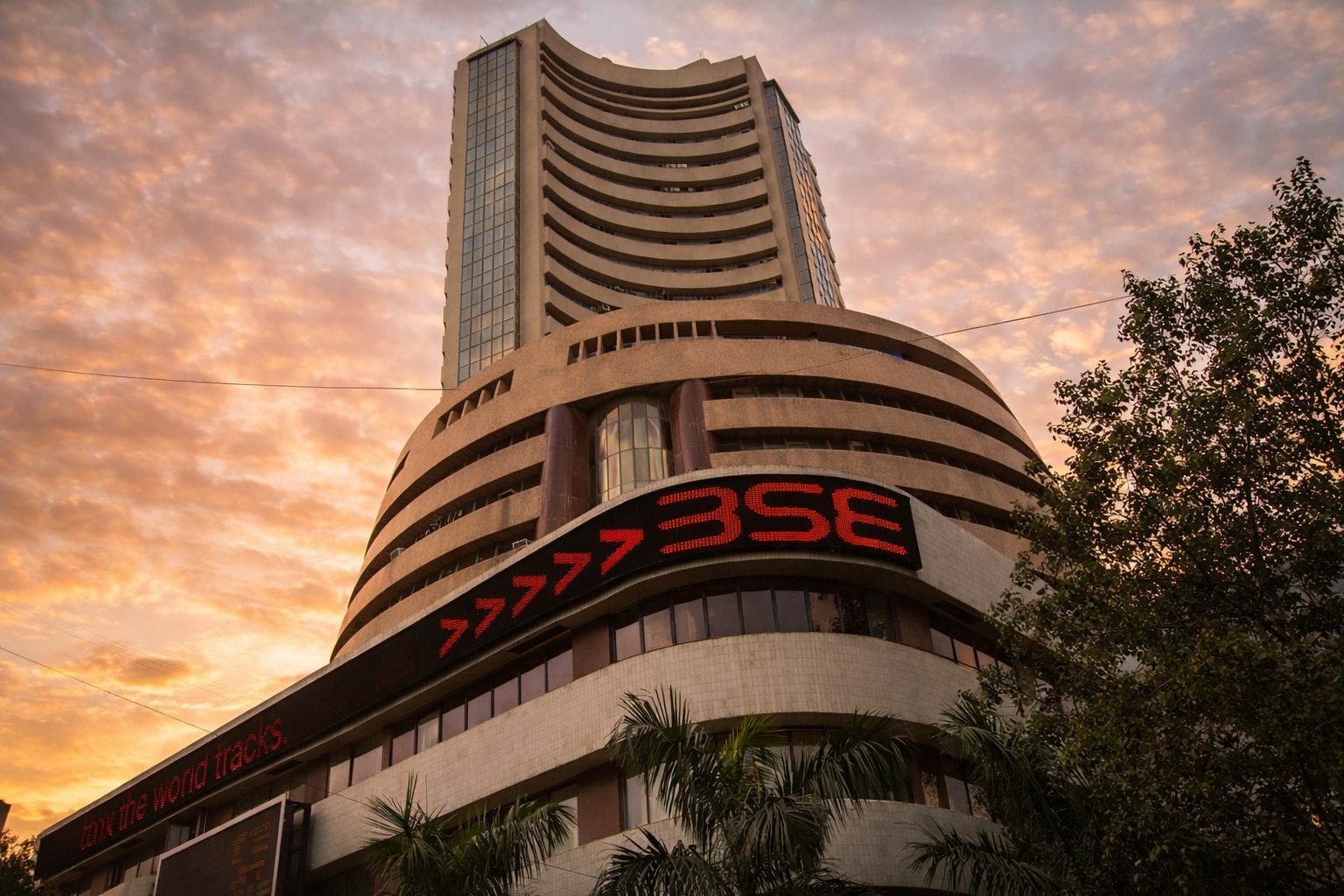
The Sensex at the Bombay Stock Exchange logged its steepest weekly drop in over a year, tumbling 2.9% after sliding 1.37% on Friday to close at 78,918.90. That was the worst week for the index since Dec. 20, 2024. Soaring crude prices, fueled by the U.S.-Israeli war with Iran, pushed investors toward the exits and kept risk appetite low.
India feels the pinch from rising oil prices almost immediately. With over 80% of its crude coming from overseas, any prolonged jump can blow out the current account deficit—already sensitive to shifts in trade and remittances—while also stoking inflation and knocking the rupee lower. According to bankers speaking with Reuters, the RBI stepped in, selling around $12 billion this week to prop up the currency after roughly $2 billion exited Indian equities.
It was a bruising stretch, even with the week cut short by a holiday. The Nifty 50—Sensex’s NSE counterpart—fell roughly 2.9%. Losses hit nearly every corner of the market: 15 out of 16 key sectors finished lower, and small- and mid-cap indexes tumbled 2.5% and 2.9% apiece. Sellers didn’t just target the usual blue chips.
Slight break, nothing major. The Sensex picked up 1.14% on Thursday, landing at 80,015.90 as Reliance Industries and metals pushed higher. Still, Anita Gandhi, who leads institutional business at Arihant Capital Markets, described it as just “temporary bounce” following the recent slump, not a true shift in mood. Reuters
After Iran blocked navigation in the Strait of Hormuz—choking off a key route for close to 20% of global oil and over 40% of India’s crude imports—the Sensex sank 1.29% to 80,238.85 on Monday. Reliance shares dropped 2.6%. ONGC and Oil India gained, with the spike in crude prices lifting sentiment for exploration stocks. Bernstein’s Venugopal Garre and Nikhil Arela warned that if the conflict drags out, the Nifty could slip below 24,500.
By Wednesday, the index dropped to 79,116.19—its lowest close in nearly a year. The rupee also slipped, touching a record low beyond 92. Meanwhile, the volatility index, a common gauge for market nerves, spiked to heights not seen since May 9, 2025. “Investors are looking to exit when in doubt and prune portfolios,” Arun Kejriwal of Kejriwal Research and Investment Services told Reuters. Reuters
Financials bore the brunt this week. State-run banks tumbled 6.5%, while the broader financial and banking sector slid by roughly 4.5%. Oil and gas shares lost 3.9% as BPCL, HPCL, and IOC declined. “The market is taking into account the near-term threat from oil prices,” noted Pankaj Pandey, head of retail research at ICICI Securities, though he pointed out any macro impact might be contained—so long as crude prices don’t stay elevated for an extended stretch. Reuters
Larsen & Toubro added to the drag. Macquarie flagged risks from the Gulf conflict to both its infrastructure and hydrocarbon projects. CLSA estimated that a Hormuz blockade in March might trim 1.8% from its earnings per share. Axis Capital cautioned that if the crisis persists, project execution could take a hit.
Duration remains the main worry here. Oil derivatives are pointing to traders reading the shock as a logistical snag rather than anything deeper, which could limit fallout if supply routes reopen. “Not all gloom,” said Samrat Dasgupta, chief executive of Esquire Capital Investment Advisors. But drag this war out, and inflation jitters stick around—pushing the RBI to keep propping up the rupee. The central bank has already burned through an estimated $12 billion supporting the currency, with about $2 billion in equity outflows this week alone. Reuters