
London, April 30, 2026, 17:09 BST
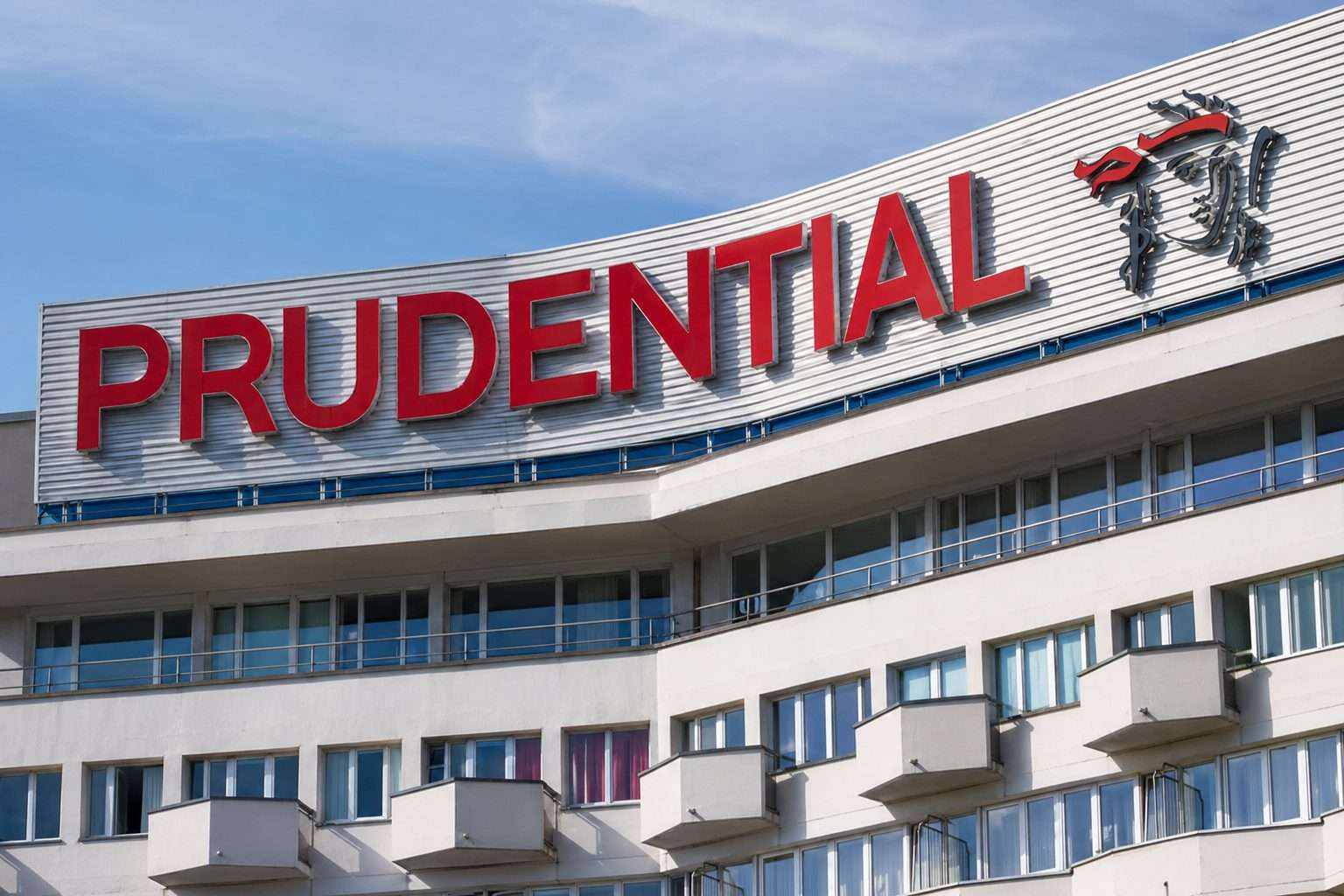
Prudential plc posted a 10% jump in new business profit for the first quarter, crediting strong figures from Hong Kong and mainland China. The company also flagged risks from higher energy-related inflation, which it said could hurt consumer demand in some of the smaller ASEAN countries. For the three months to March 31, new business profit—reflecting anticipated earnings from policies written during the period—came in at $686 million.
Why is this update important? Prudential is facing demands to prove its Asia-and-Africa-centric strategy still has momentum after Hong Kong’s post-pandemic surge. Chief Executive Anil Wadhwani said the company is sticking with its plan for double-digit gains in major financial measures by 2026, with 2027 targets still in sight.
Annual premium equivalent sales climbed 6% to $1.823 billion, reflecting the industry standard for new insurance business that factors in both single and regular premiums. New business margin moved up two points to 38%, as higher-margin products took a larger share and certain markets saw pricing adjustments.
Hong Kong delivered double-digit gains in new business profit, both through agency channels and bancassurance—bank partners pushed policy sales higher. Over in mainland China, the CITIC Prudential Life joint venture kept up the pace, reporting robust growth. Margins, however, slipped as more business shifted into participating policies that pass returns back to customers.
Indonesia posted slower growth, though bancassurance managed double-digit gains. In Malaysia, new business profit increased as the firm tweaked its product lineup. Over in Singapore, Prudential pointed to continued appetite for savings and wealth offerings.
“Wealth inflows from mainland Chinese clients” along with fresh arrivals looking for higher-yielding U.S. dollar offerings are fueling Hong Kong’s demand, Kenny Lim Yong Hui of UOB Kay Hian told Reuters. That’s been holding up insurers peddling offshore savings and protection products in the city. Reuters
Some analysts remained skeptical about the momentum. Henry Heathfield at Morningstar found the trading update uninspiring, calling it “lacks energy,” and noted that new business profit ticking up 10% still misses Prudential’s 15%-20% strategic goal. Morningstar
Matt Britzman, senior equity analyst at Hargreaves Lansdown, wasn’t fully satisfied: “hoping to see slightly punchier results,” he said, but acknowledged positive momentum. “Momentum needs to step on from here” for Prudential to keep its targets in sight, Britzman wrote. Hargreaves Lansdown
Prudential lagged the FTSE 100 in London trading, finishing in the red. According to Hargreaves Lansdown, shares wrapped up at a sell price of 1,091 pence and buy at 1,092 pence, slipping 0.41%. The FTSE 100 closed up 1.62%.
Asian life insurers mostly held firm in the latest numbers. AIA Group posted a 13% jump in first-quarter value of new business to $1.76 billion. Hong Kong operations grew 21%, China climbed 26%. Over at Ping An Insurance, new business value for life and health advanced 20.8%, though group net profit slipped 7.4% as investment returns softened.
The coming quarters look shaky. Prudential flagged geopolitical tensions as a concern and said smaller ASEAN companies face particular pressure from inflation tied to elevated energy costs—potentially denting consumer demand and purchasing trends. Eastspring, the group’s asset management unit, reported funds under management of $268.9 billion as of March’s close, versus $277.7 billion at the end of 2025. Market swings and currency losses drove most of the drop, even with net inflows.
During the quarter, the company bought back roughly 20 million shares, spending $312 million as part of a $1.2 billion repurchase plan started in January. That cash return is only part of the story for Prudential, which faces the ongoing challenge of growing policy profit while grappling with volatile markets, shifting currencies, and pressure on household finances.