
London, March 16, 2026, 14:36 GMT
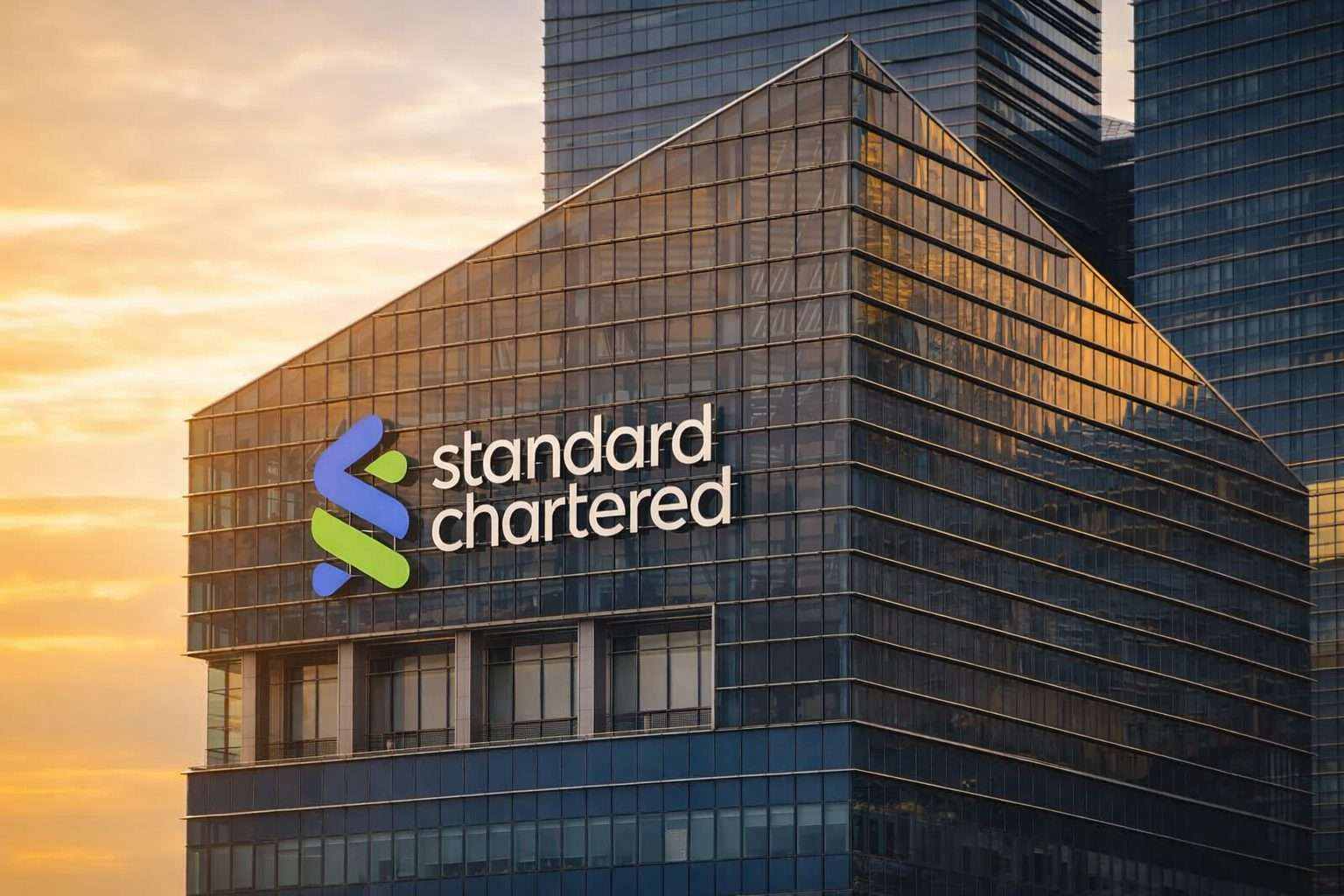
Standard Chartered ticked up 0.9% to 1,560.5 pence by 1403 GMT on Monday, after announcing it had bought back 938,200 shares on March 13, spending roughly 14.7 million pounds on the latest round of repurchases.
This shift lands just after British stocks marked their second consecutive weekly drop on Friday, with Middle East tensions muddying the path for rate cuts. London’s FTSE 100 barely budged on Monday, leaving investors juggling StanChart’s ongoing capital returns against a market still reeling from the Gulf jolt.
Last week, J.P. Morgan flagged Standard Chartered and HSBC as the European banks carrying the heaviest exposure to the conflict. The firm put StanChart’s Middle East share at roughly 8% of total revenue and 12% of pretax profit, comparing that with HSBC at about 4% on both counts. Barclays, along with most continental rivals, sits well below 1% exposure by either metric.
This isn’t just a theoretical risk. Over the past five years, Standard Chartered’s UAE arm has increased its share of group income to 5.7%, up from 3.7%, according to a Reuters analysis. The bank itself reported that business volumes connecting China and the Middle East jumped 18% last year. Morningstar’s Kathy Chan flagged “additional risks related to the Groups’ trade finance and credit costs”—trade finance referring to the sort of short-term lending and bank guarantees that keep shipments flowing. On the flip side, Hargreaves Lansdown’s Matt Britzman pointed out that such disruptions might actually boost appetite for foreign exchange and cash-management services. Reuters
This most recent buyback forms part of the $1.5 billion repurchase program Standard Chartered announced along with its full-year results on Feb. 24. The bank reported a 16% jump in pretax profit and hiked its full-year dividend by 65%. Back then, Chief Executive Bill Winters called 2025 “another year of strong momentum.” Standard Chartered Bank
The rates picture has shifted—the mood isn’t as dovish. Standard Chartered and Morgan Stanley now expect the Bank of England to cut rates in the second quarter, not sooner. StanChart figures oil is up roughly 50%, gas nearly 90% since late February. Markets are pricing in a 98% probability that the BoE keeps rates steady this week.
Monday’s bump barely made a dent. Standard Chartered dropped 3.76% Thursday, slid another 3.22% Friday, capping the week 19.62% off its Feb. 3 52-week high as of Friday’s close.
Right now, the buyback is keeping some faith alive among investors. Still, as long as Standard Chartered remains tied to Gulf trade flows and energy-shock risk in the market’s eyes, these repurchases are more likely to cushion the volatility than eliminate it.