
SYDNEY, March 21, 2026, 08:30 AEDT
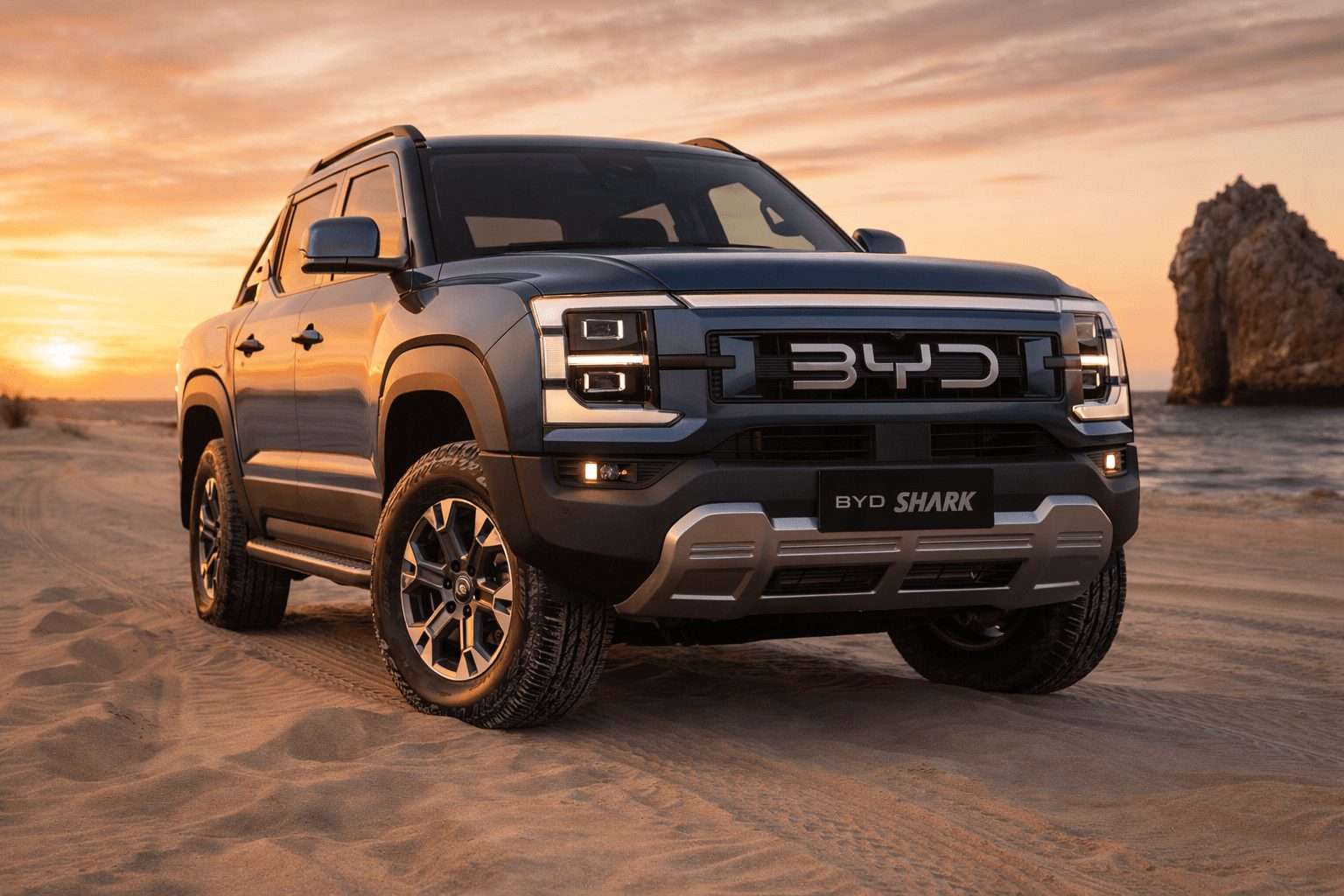
BYD is emerging as a key beneficiary of Australia’s new vehicle emissions rules. As of March 13, regulator data shows the company’s local units held 6.28 million tradable credits. BDO puts the value of those credits between A$562 and A$972 for each imported car. The lift follows a Friday Drive report that BYD’s Shark 6 ute, cab-chassis model, has landed in Australia.
Timing is key here: BYD has been ramping up its push into international markets as sales growth slows and competition heats up at home in China. Reuters says the company is aiming for 1.3 million overseas shipments this year. Australia, meanwhile, has just launched a tradable market with its New Vehicle Efficiency Standard (NVES). Europe is also in focus for BYD as it tries to lessen its exposure to EU tariffs on Chinese-made EVs.
Australia’s NVES limits average CO2 emissions for each automaker’s new passenger and light commercial vehicles. Back in February, the government reported a net surplus of 15.9 million units after the first reporting period—enough to kick-start a tradable market. The latest data from the regulator has BYD leading on holdings, followed by Toyota and Tesla.
CarExpert reported that BDO’s initial tally showed Toyota leading with 2.89 million units, Tesla following at 2.21 million. Mazda and Nissan, meanwhile, were running a deficit. According to Sam Venn, BDO’s automotive partner, Chinese carmakers made up 24% of Australia’s market during the first two months of 2026, rising from 14% the previous year.
BYD’s Shark 6 rollout looks aimed squarely at Australia’s fleet ute market, not just private buyers. Pricing for the cab-chassis variant previously surfaced at A$55,900 before on-road costs—undercutting the current Shark 6 Premium—while keeping the same 321kW plug-in hybrid setup. That means a rechargeable battery working alongside a petrol engine, and a braked towing limit of 2,500 kg.
BYD Australia COO Stephen Collins called fleet sales “one of the key markets of opportunity” in comments to Australian media back in February. Around 35% of new-vehicle sales are tied to fleets, he pointed out. That focus means BYD is heading straight into competition with big players like Toyota’s HiLux and Ford’s Ranger. CarExpert
Europe’s picture looks cloudier. EUalive, referencing Hungary’s Átlátszó, pointed to video emerging from BYD’s Komárom plant, where vehicles ready to drive off are seen arriving from China, only to be stripped down and reassembled on Hungarian soil. That’s essentially what’s known as CKD—completely knocked-down assembly—shipping over the pieces, putting them together locally. On these details, EUalive noted, BYD hasn’t issued a public response.
This comes after the European Commission slapped definitive countervailing duties on China-made battery electric vehicles in late 2024—BYD faces a 17% hit, stacked on top of the bloc’s standard 10% import duty for cars. Reuters has reported that BYD is spending 4 billion euros on a plant in Szeged, Hungary, aimed at allowing tariff-free sales into Europe. Still, mass production at the site won’t begin before 2026, and initial output is set to fall short of the targeted 150,000 vehicles per year.
Still, there’s no clean path. BYD is contending with EU tariffs in Europe, and last year’s EU subsidy investigation hasn’t faded from memory—now, the Komárom allegations threaten to complicate its localisation efforts further. Down in Australia, BDO cautioned: if automakers push EVs faster than buyers want them, dealers could see inventory piling up, steeper discounts, and thinner margins up front.
Venn didn’t mince words, calling the acceleration of Chinese brands joining dealer networks “not sustainable. It’s as simple as that.” BYD, on the other hand, heads into the next phase with one of the largest credit surpluses in Australia and its ute range edging further into the fleet segment.