
SEOUL, March 23, 2026, 19:32 KST
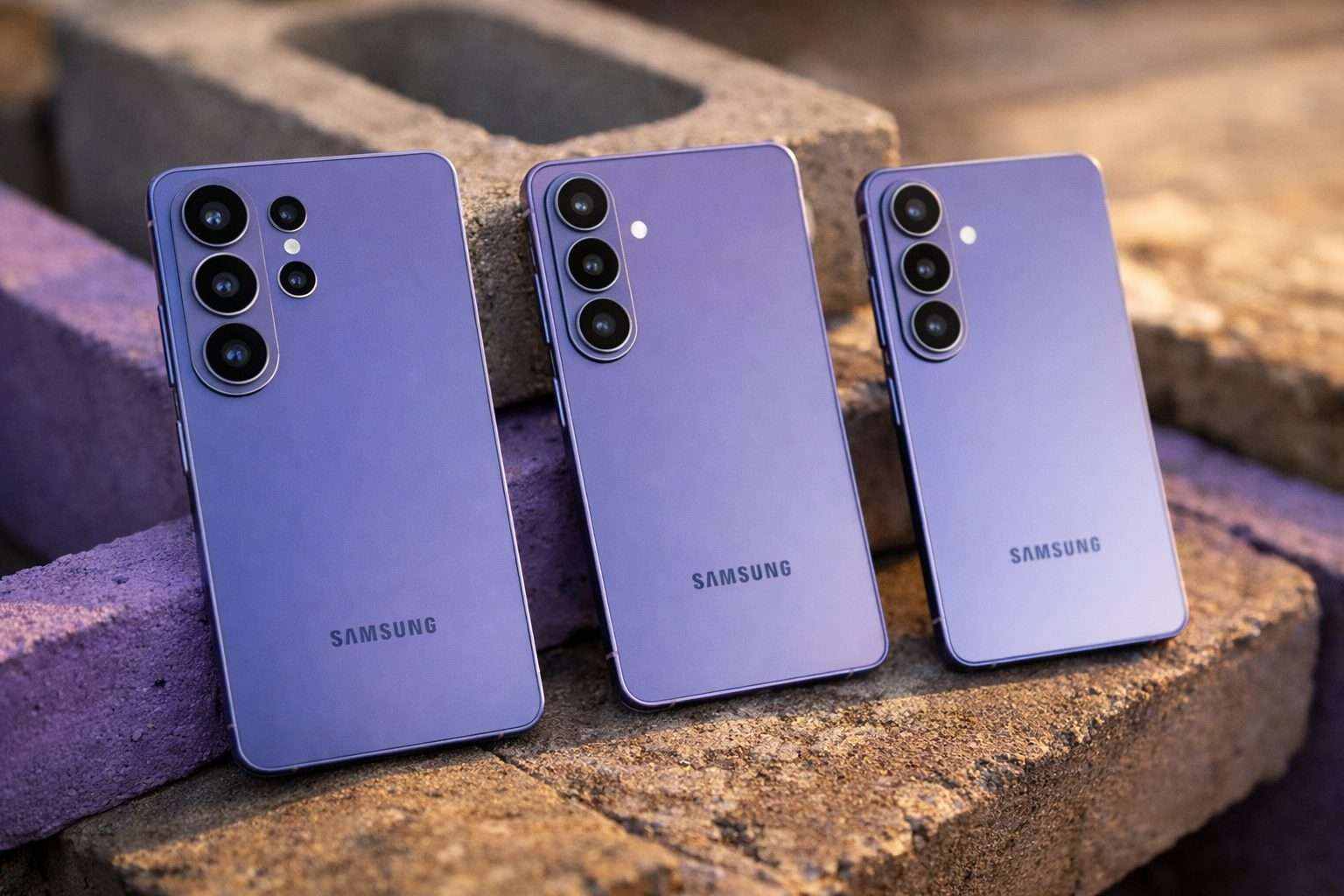
On Monday, Samsung Electronics kicked off AirDrop support for its Galaxy S26 lineup via Quick Share, letting users beam photos, videos, and more straight to nearby iPhones. The rollout hits South Korea first, with other regions set to follow, according to the company.
This shift matters. Short-range file sharing has long been a sticking point for users caught between Android and Apple. On Android, Quick Share is the tool for moving files nearby — a feature Google first introduced on the Pixel 10 late last year. Now, Samsung becomes just the second Android phone brand to roll it out.
Samsung says AirDrop will debut on the Galaxy S26 series only, at least to start. More Galaxy devices are on deck, but names are still under wraps. Europe, Hong Kong, Japan, Latin America, North America, Southeast Asia, and Taiwan are flagged for launch. Yonhap reports that the U.S. and Europe are set to start receiving the feature this Wednesday.
When Samsung rolled out the S26 line earlier this month, the feature hadn’t gone live yet—despite earlier hints from the company. “We plan to support AirDrop compatibility starting with the Galaxy S26 series… It will be provided sequentially through software updates,” Choi Won-jun, chief operating officer of Samsung’s mobile business, told reporters in Japan. That’s according to 9to5Google, which referenced coverage by Korean outlet EBN. 9to5Google
Samsung doesn’t enable the feature by default. To use it, users must open Quick Share and activate “Share with Apple devices.” Over on Apple’s side, AirDrop has to be set to “Everyone for 10 Minutes,” the temporary window that lets a device show up for nearby senders before it disables itself. 9to5Google
Samsung now joins Google’s Pixel lineup in rolling out direct AirDrop compatibility for Android users. The Pixel 10 series picked up the capability last November, with Pixel 9 models catching up in February. Last month, Eric Kay, vice president of engineering for Android at Google, said the team had pushed to make Quick Share work “not only with iPhone but iPads and MacBooks” as well. Kay also hinted at more Android updates coming “very soon.” The Verge
When Google rolled out the feature on Pixel, it leaned hard on security. “The connection is direct and peer-to-peer,” Dave Kleidermacher, the company’s vice president for platforms security and privacy, wrote. Stanford cryptography professor Dan Boneh described it as “a strong example of how to build secure interoperability.” Google Online Security Blog
Oppo plans to roll out AirDrop over Quick Share on its Find X9 series in March, signaling that the feature is expanding past just Google devices. According to the company, users will be able to move files between Oppo phones and devices running iOS, iPadOS, or macOS, all without needing third-party apps.
Still, there are strings attached. Samsung pointed out that availability depends on the market, while Google’s current Quick Share bridge only taps into AirDrop’s “Everyone for 10 minutes” option—not the contacts-only mode Apple offers. The upshot: sharing might feel clunkier compared to Apple’s seamless in-house setup, particularly for those wary of making their device briefly visible to anyone nearby. Samsung Global Newsroom