
HOUSTON, March 23, 2026, 08:53 CDT
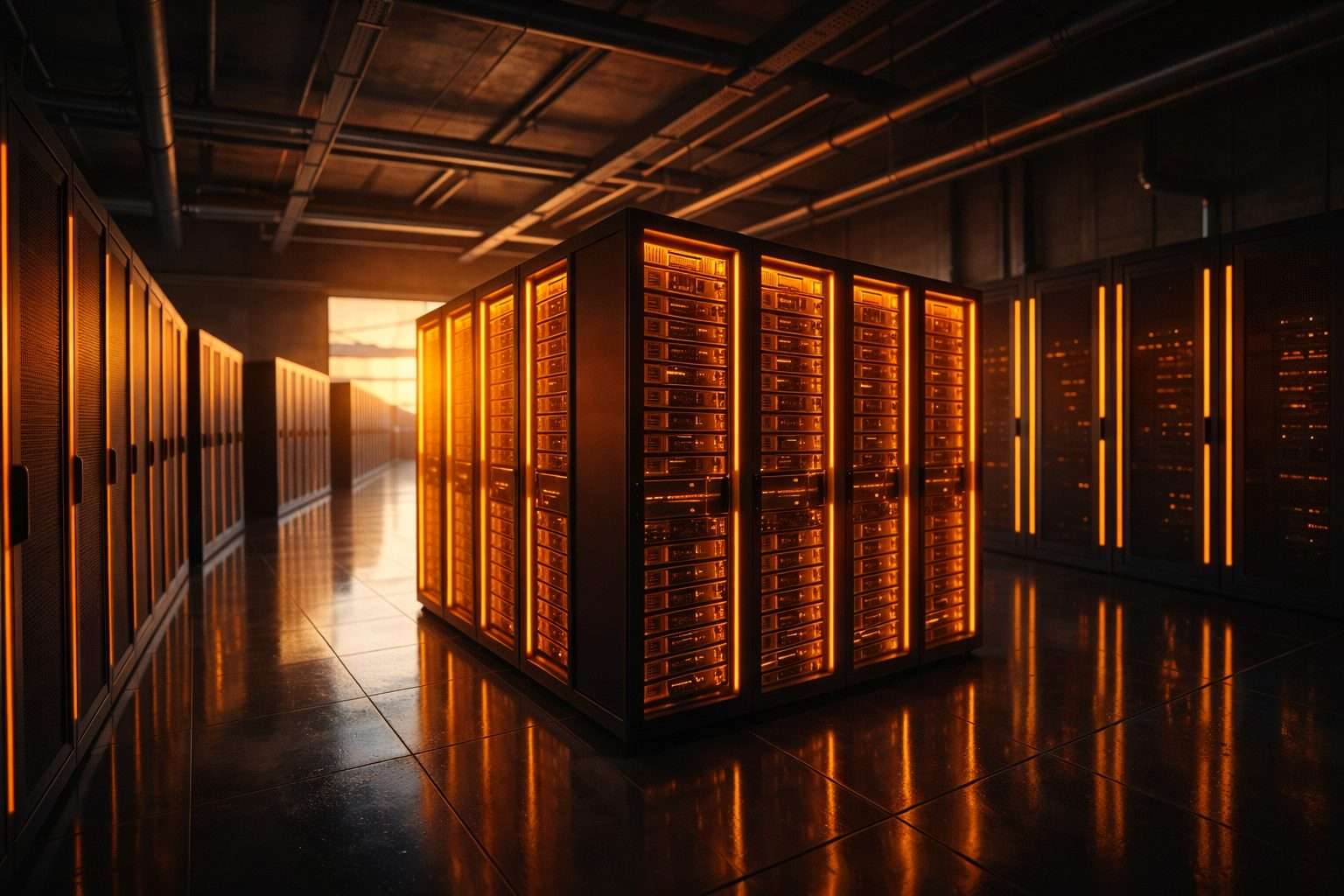
Nvidia and startup Emerald AI said Monday they’re teaming up with AES, Constellation, NextEra Energy, and Vistra to develop “flexible AI factories.” These data centers are designed to adjust electricity consumption in real time, tapping on-site generation and batteries to cut down on grid-connection delays. Early in U.S. trading, Nvidia climbed $4.32 to $177.02, NextEra pushed up $1.04 to $90.54, Vistra jumped $3.98 to $150.00, Constellation rallied $7.72 to $289.71, and AES inched up three cents to $14.13. NVIDIA Newsroom
This move highlights a challenge now rippling through U.S. power markets: electricity is fast becoming the main bottleneck for AI expansion. Earlier this month, the U.S. Energy Information Administration projected that power demand will set new records in both 2026 and 2027. Reuters also noted last week that average contract prices for North American solar and wind jumped 9% heading into late 2025, as surging data-center needs hit a wall of limited clean-energy supply.
Nvidia’s Vera Rubin chip architecture is getting paired with Emerald AI’s orchestration software, the companies said, letting operators ramp workloads up or down, tap on-site power and storage, and speed up facility connections. “Energy, compute, networking and cooling must function as one architecture,” Jensen Huang said. The partners expect to roll out the system at commercial scale later this year at Nvidia’s AI Factory Research Center in Virginia. NVIDIA Newsroom
Think of it as demand response, only scaled up for industry—those programs where large power users throttle back consumption when the grid gets tight. On March 19, Google announced deals with five U.S. utilities to allow up to 1 gigawatt of data center load to be dialed down during peak demand. Michael Terrell, who heads advanced energy at Google, described the move as “a really important tool” to help cover rising future needs. Reuters
The idea is catching on across the sector. On Monday, EPRI rolled out Flex MOSAIC—a new framework shaped in collaboration with more than 65 utilities, grid operators, hyperscalers, tech companies and regulators. Big names on the list: Google, Meta, Nvidia, Constellation, Siemens. The framework aims to pin down both the scale and speed at which large-scale consumers can adjust their power demand. “Flexibility is now the third leg of time to power, together with generation and transmission,” EPRI CEO Arshad Mansoor said. GlobeNewswire
Microsoft in February pledged to keep buying enough renewable power to match its full electricity demand, after lining up contracts for 40 gigawatts of new clean energy. Meta, meanwhile, has inked seven separate solar power deals with Zelestra within the past year, bringing its total to 1.2 GW in long-term contracts.
The numbers are big now—utilities and developers are working in tens of gigawatts. Just this month, NextEra projected it would tack on 15 GW to 30 GW of new generation for U.S. data centers by 2035. That’s a sharp contrast to the era of scattered pilot projects.
Still, the updated model isn’t without its shortcomings. Axios noted Monday that the Nvidia-Emerald announcement lacked concrete project timelines or any real buildout commitments. Both EPRI and state regulators maintain that any flexibility framework must allow heavy power users to connect without driving up household bills or putting reliability at risk. Reuters flagged that existing U.S. restrictions on components from so-called foreign entities of concern—primarily targeting China—could push up costs and delay solar and battery installations.