
CANBERRA, March 26, 2026, 22:54 AEDT
Fuel rationing isn’t on the table in Australia, despite Treasurer Jim Chalmers admitting the government’s scenario of inflation hitting 5% is looking “pretty conservative”—a nod to how quickly the oil shock has outpaced February’s slight dip in consumer prices. That puts Canberra in the tricky position of reassuring drivers, all while acknowledging the economic blow from the Middle East conflict keeps deepening. ABC News
This is relevant, given the softer February print is already out of date. Annual consumer price inflation eased to 3.7% from 3.8%, while the trimmed mean — the Reserve Bank of Australia’s preferred core measure, which excludes volatile items — remained at 3.3%. The ABS noted a 3.4% drop in automotive fuel during February, but all that came before the most recent energy shock.
Attention has shifted to March and June, leaving February on the back burner. The RBA bumped its cash rate up to 4.10% last week. Investors are split on whether May brings another hike—odds are close to even.
Treasurer Chalmers said the Treasury’s been told to run the numbers on “more challenging circumstances” after last week’s scenario—based on oil at $120 a barrel—looked a little too soft. Oil prices briefly hit $119 this week. Now, he pointed to the duration of the war and how long the global economy takes to get “back on track” as the key uncertainties. ABC News
Trying to tamp down speculation over pump limits, the Albanese government pushed back. Energy Minister Chris Bowen made it clear Canberra isn’t bringing in the A$40 retail cap floated in a 2019 emergency plan. Other ministers echoed that line, saying Australia is “not there yet.” ABC News
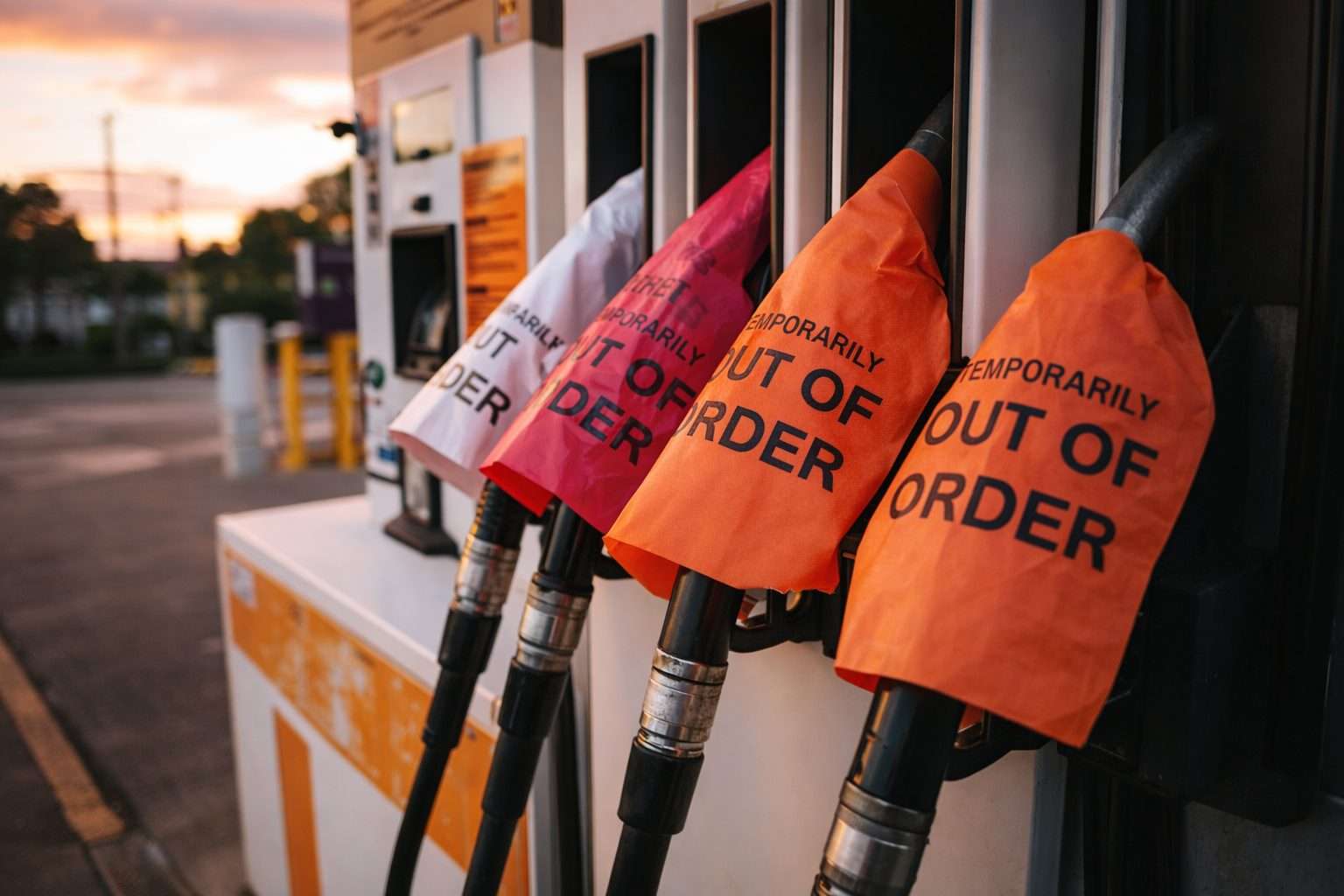
The squeeze hasn’t let up. Australia still brings in roughly 90% of its fuel, Energy Minister Bowen said on Sunday. Patchy shortages linger—hundreds of stations are still short at least one grade. Six Asian shipments were delayed or scrapped, but those have since been replaced. To increase supply, the government loosened diesel specs. Stockpiles stand at 38 days for petrol, with 30 days’ worth of diesel and jet fuel in reserve, according to officials.
This week, International Energy Agency chief Fatih Birol described Australia’s existing storage levels as a “solid number,” but he also flagged possible measures like working from home, reducing speed limits, and curbing business travel if the situation worsens. Reuters
February’s CPI breakdown pointed to persistent domestic pressure, with housing costs leading the pack—up 7.2% over the year. Electricity prices jumped 37.0% as household rebates ended. Food and non-alcoholic drinks edged 3.1% higher, according to ABS figures.
The fuel shock, economists warn, will likely swamp the earlier data. “February was just the starting point,” Westpac chief economist Luci Ellis said, noting the numbers will “be overtaken by events,” with headline inflation now seen reaching around 5%. Russel Chesler, VanEck’s head of investments and capital markets, pointed out that rising energy prices are set to push up costs across transport, goods, and services. ABC News
Reserve Bank of Australia Assistant Governor Christopher Kent, speaking Thursday, echoed those concerns. If the conflict stretches out, he warned, the economic fallout will only worsen. Policymakers, Kent said, need to make sure an oil shock doesn’t fuel longer-term inflation expectations or let a temporary spike become entrenched.
Supply pressures are driving major fuel players into tighter coordination with regulators. The Australian Competition and Consumer Commission last week granted the Australian Institute of Petroleum’s members—like Ampol and Viva Energy—temporary clearance to work together on supply to help manage shortages, but specifically blocked them from discussing pricing.
Still, things could shift quickly. If tensions ease soon or shipping routes clear up, the impact on freight, grocery prices, and home budgets might stay muted. But a drawn-out disruption risks making February’s dip in CPI look like a blip—forcing Canberra and the RBA to confront tougher calls on aid, supply measures, and interest rates.