
LONDON, March 30, 2026, 14:13 BST
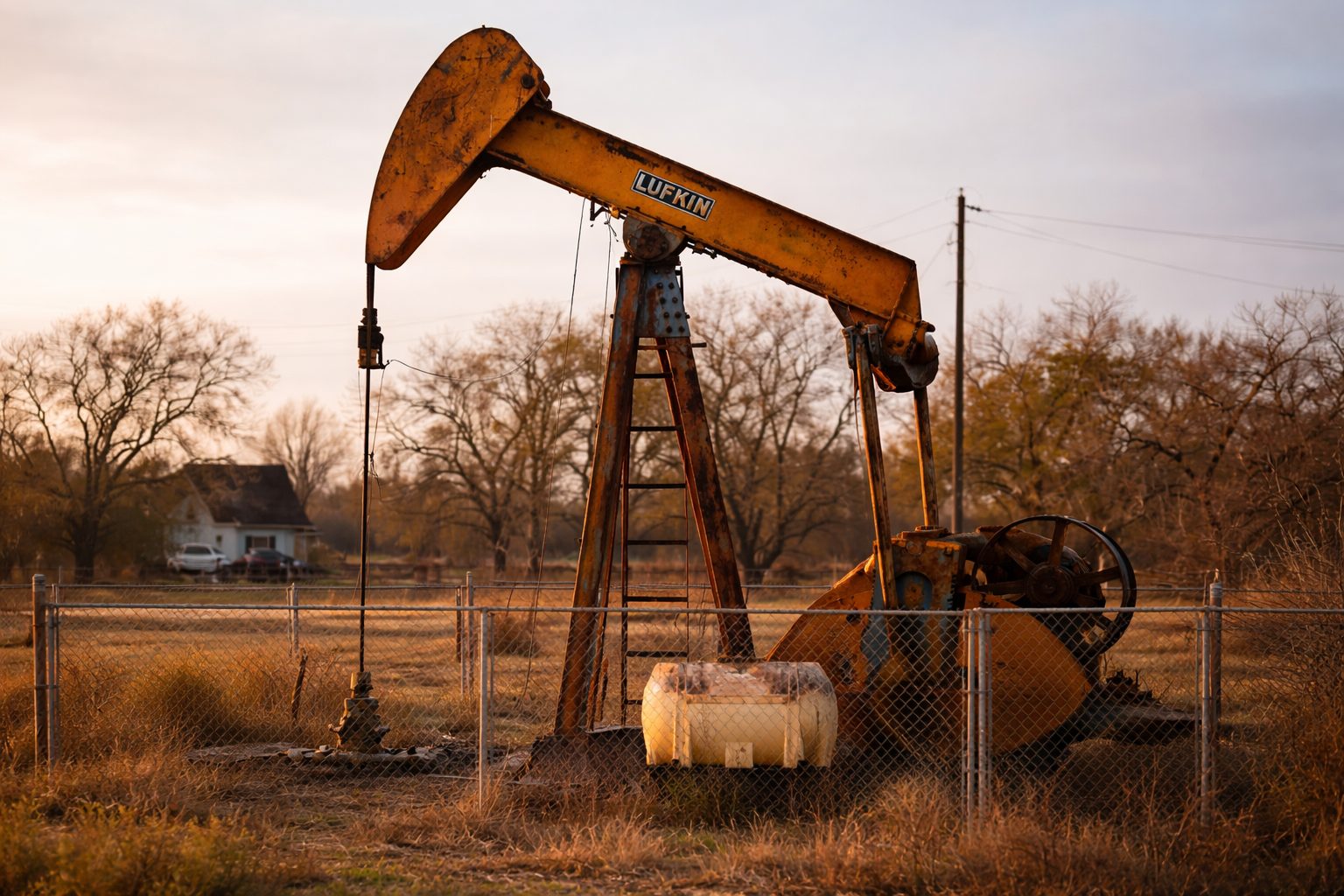
Oil prices pushed higher Monday, with Asian equities slipping after Yemen’s Houthis struck at Israel and the Guardian published remarks from Donald Trump about taking Iran’s oil and targeting Kharg Island, the country’s key export terminal. Investors looked unconvinced by diplomatic efforts, with Brent crude set to notch its steepest monthly gain since at least 1988, according to LSEG data, as risk premiums around the Strait of Hormuz remained stubbornly elevated.
The impact is no longer limited to commodity traders—it’s showing up in what people pay day-to-day. Germany reported March inflation ticking up to 2.8% as energy bills climbed. According to RAC numbers cited by the Guardian, UK petrol is now at 152 pence a litre, with diesel at 181.2 pence. That’s adding more strain for households and making investors question just how fast Europe can move on rate cuts.
Refined fuel is shaping up as the next challenge. Shell chief executive Wael Sawan cautioned that Europe may run into shortages as soon as April, starting with jet fuel before hitting diesel and gasoline. EU energy ministers are set to meet for emergency talks on Tuesday to hash out a coordinated response.
Regional moves diverged sharply. Japan’s Nikkei slid 2.8%, with Korea’s Kospi down nearly 3%. Miners and energy names drove a 0.2% lift for the STOXX 600, and London’s FTSE 100 climbed 0.6%. Meanwhile, the dollar tracked for its strongest monthly performance since July as investors sought safety.
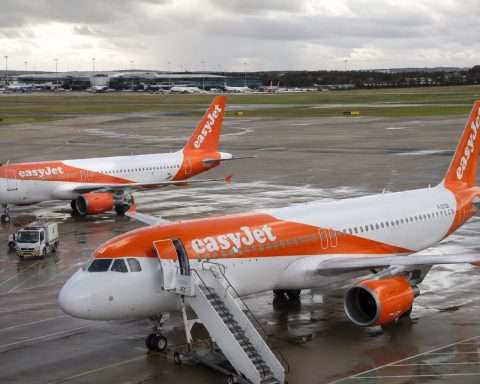
Shell and TotalEnergies both climbed over 1%, leading gains among energy stocks. Airlines took a hit—Air France and Lufthansa slipped as the spike in jet-fuel prices weighed. Moves like this highlight just how fast pricier crude feeds through to producers, but squeezes carriers.
“Markets are underpricing the prospect” that the conflict drags on, according to Michael Hewson at iForex. Supply risks aren’t letting up: JP Morgan’s Natasha Kaneva and her team pointed out the war has spilled past the Gulf and now threatens the Bab el-Mandeb, a key chokepoint for oil and fuel shipments. That’s broadening the risk. Reuters
Bonds are reflecting expectations for a drawn-out inflation battle alongside a softer economic outlook. The yield on Britain’s two-year note has surged close to a full percentage point so far this month, with Germany’s up around 0.7. Moh Siong Sim at OCBC pointed out that market attention is shifting to the growth slowdown, while Berenberg’s Felix Schmidt described central banks as trapped in “stagflation” — sluggish growth paired with persistent inflation. Reuters
Starmer lined up meetings with energy and finance chiefs in Britain, with ministers mulling possible emergency steps. British finance minister Rachel Reeves was set to urge G7 counterparts not to go it alone on trade barriers, warning that could add to energy insecurity. EU officials, for their part, pushed back against piecemeal national moves and pressed members to shore up oil product supplies and top up gas storage early.
But this isn’t a one-way street. U.S. Treasury Secretary Scott Bessent pointed out the oil market is still well supplied, with more vessels now getting through Hormuz. The International Energy Agency, meanwhile, has already rolled out a record 400 million barrels from emergency reserves. If tensions ease meaningfully—or if shipping lanes in the region open up further—prices could slip fast. A major strike on additional Gulf energy assets would push the other direction.
It’s not just oil feeling the heat. Aluminium surged to its highest level in four years after Iranian attacks hit Gulf smelters, with both Alba and Emirates Global Aluminium reporting damage. The fallout adds to worries for manufacturers—what started as an oil crunch is rapidly morphing into a story about metals, shipping, and inflation.