
LONDON, May 19, 2026, 18:01 BST
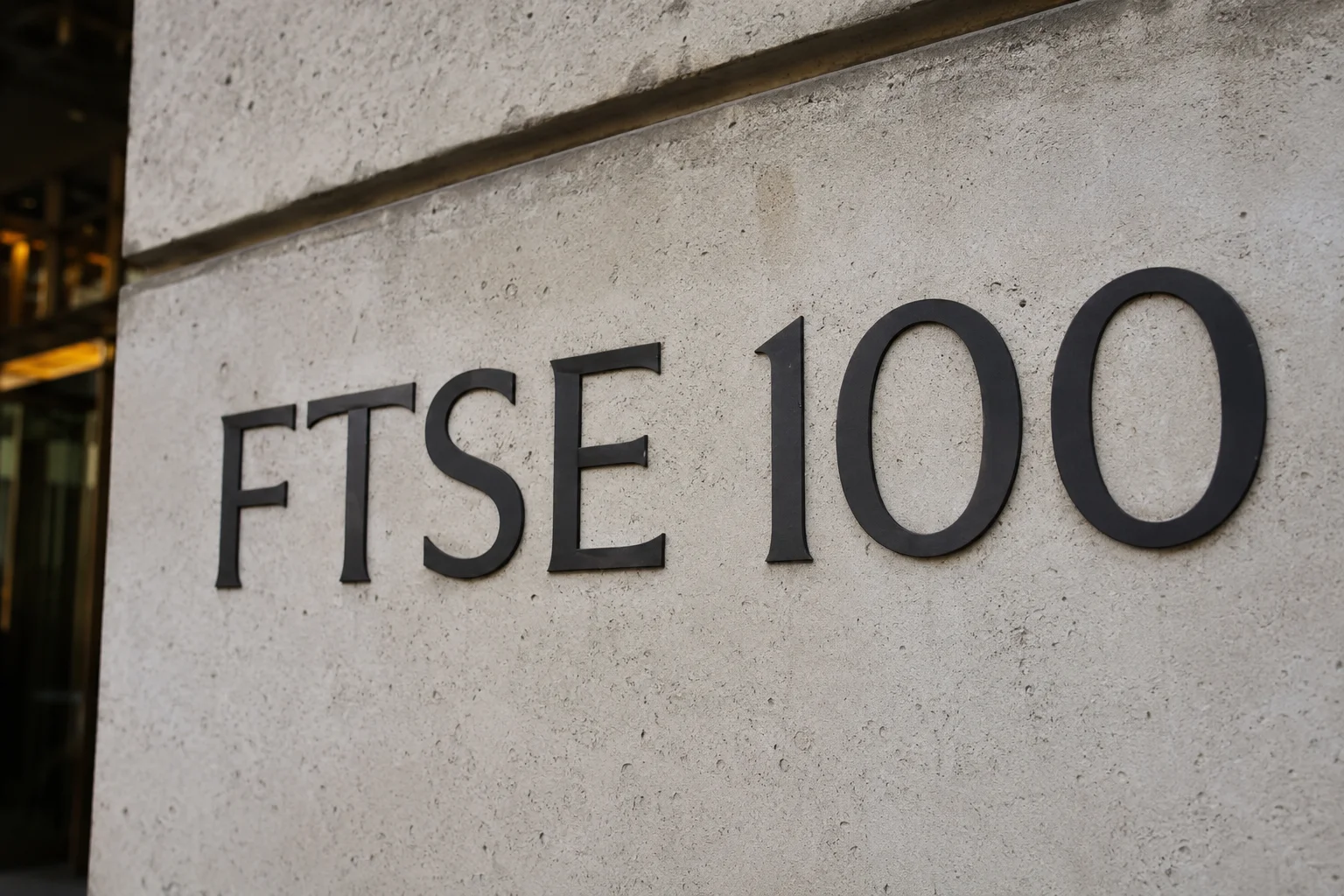
Britain’s FTSE 100 edged up on Tuesday, giving back most of an early rally as rising government bond yields cut into relief from weaker UK jobs data. The blue-chip index, made up of the 100 most highly capitalised companies on the London Stock Exchange, closed at 10,330.55, up 6.80 points, or 0.07%.
That mattered because the session turned on a hard trade-off for investors: a softer labour market may reduce pressure on the Bank of England to raise rates, but higher gilt yields — the return investors demand to hold UK government debt — can weigh on shares by making borrowing costlier and bonds more attractive. Reuters said the FTSE 100 had risen as much as 0.8% earlier before finishing only marginally higher.
The more domestic FTSE 250, which covers mid-cap companies outside the FTSE 100, reversed early gains and fell 0.2%. FTSE Russell says the FTSE 250 represents about 15% of UK market capitalisation, making it a useful read on the home economy.
The Office for National Statistics said early estimates showed UK payrolled employees fell by 100,000 in April from March, while unemployment was estimated at 5.0% in January to March. Vacancies dropped to 705,000, the lowest level since February to April 2021, and regular pay growth — wages excluding bonuses — slowed to 3.4%.
The data gave rate-sensitive shares some support, but not enough to hold the morning move. James Smith, an ING economist, said the figures “questions the need for Bank of England rate hikes”, while Jefferies economist Modupe Adegbembo said they sharpened a “policy tension” for the Monetary Policy Committee, the Bank’s rate-setting panel. Reuters
Sterling also slipped, falling 0.26% against the dollar to $1.3399 as the jobs numbers and UK politics stayed in focus. Lee Hardman, senior currency economist at MUFG, said the pound’s rebound was “dampened” by “much weaker-than-expected UK labour market data”. Reuters
Sector moves were uneven. Reuters said most FTSE 350 sectors were higher, led by medical equipment and personal goods, but miners fell as metal prices dropped; precious metal miners lost 3.7% and industrial metal miners shed 2.7%.
IG Group was the standout stock, rising 10.5% after the online trading firm lifted its annual and medium-term revenue forecasts for the second time this year. The company said organic total revenue — sales excluding acquisitions and businesses it has exited — rose 19% year on year to 331.2 million pounds in the first quarter, and CEO Breon Corcoran said “commercial momentum” was accelerating. Reuters
The rally in IG showed how market stress can cut both ways in London. Broad volatility unsettles most investors, but it can lift trading volumes for platforms such as IG when clients move money or hedge positions.
Currys also climbed after the electricals retailer forecast an 18% rise in annual adjusted profit before tax to about 191 million pounds. Its UK and Ireland like-for-like sales rose 3% and Nordics sales rose 6%, a stronger update than recent retail signals from Primark owner AB Foods and JD Sports; CEO Alex Baldock said the group was “well positioned to navigate” volatility. Reuters
Dr Martens added to the consumer-stock moves, with shares up 3.7% by 1204 GMT after earlier rising as much as 9.3%. The bootmaker reported a 61.3% jump in annual adjusted pre-tax profit to 55 million pounds, helped by less discounting, though revenue fell 2.9%; CEO Ije Nwokorie said the company was seeing “green shoots”, especially in the United States. Reuters
The risk is that the jobs relief proves thin. A hotter UK inflation reading on Wednesday, another leg up in energy prices, or a further rise in gilt yields could rebuild pressure for tighter policy and hurt domestic names already exposed to weak demand and higher financing costs. Crest Nicholson’s decision to delay half-year results while it seeks temporary covenant relief from lenders showed that stress is still live in parts of the market.
Politics remains a drag in the background. Prime Minister Keir Starmer said on Monday he was focused on doing his job after pressure inside Labour and poor local election results unsettled investors, and any fresh challenge would add one more reason for global funds to be cautious on UK assets.