
PERTH, March 31, 2026, 23:03 (AWST)
- As of March 28, Rio had restarted ship loading at three out of its four Pilbara ports, though Cape Lambert A stayed offline for repairs.
- Cyclones recently slashed iron ore shipments by roughly 8 million tonnes, but the miner figures it might claw back close to half that loss.
- Rio maintained its 2026 Pilbara shipment target at 323 million to 338 million tonnes. Shares in London climbed 3.5% Monday.
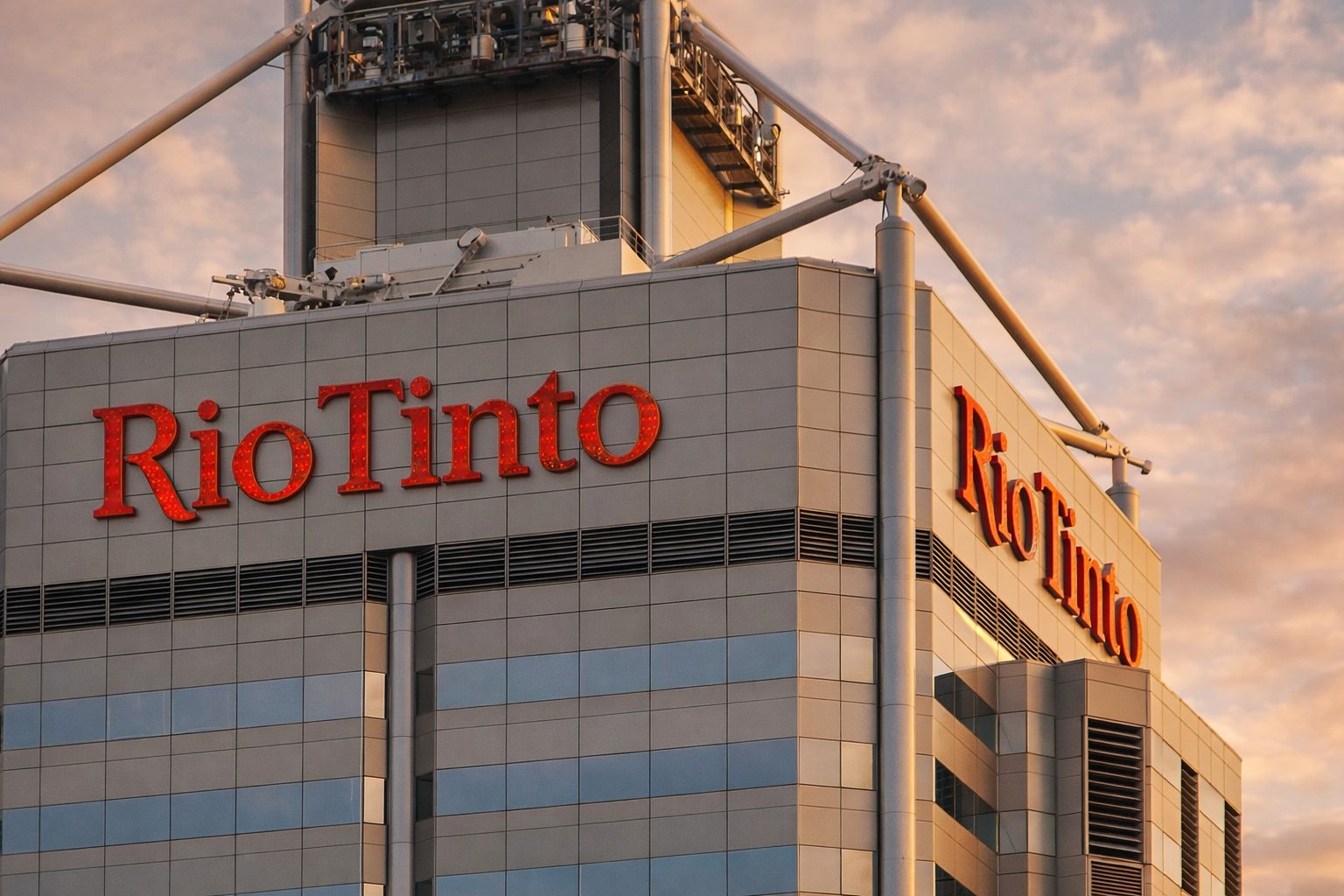
Rio Tinto plc has resumed loading ships at three out of four Pilbara iron ore ports following Cyclone Narelle’s passage across Western Australia’s northwest. Despite damage sustained at Cape Lambert A, the miner left its annual export guidance unchanged. The latest update has calmed short-term nerves around supply from Rio’s main iron ore operations.
Timing proved crucial here—iron ore delivered roughly 60% of Rio’s earnings last year. Any extended Pilbara shutdown would have dented volumes, pinched cash flow, and soured sentiment toward the London-listed miner.
That’s how investors took it. Rio’s London-listed stock jumped 3.5% on Monday following the update, despite lingering jitters in broader European markets tied to Middle East tensions.
Rio reported that loading resumed March 28 at East Intercourse Island, Parker Point and Cape Lambert B, following a four-day shutdown. Work is still ongoing at Cape Lambert A, though the company expects shipments there to get going again within days.
Rio Tinto blamed Tropical Cyclone Mitchell in February and Narelle in March for slicing roughly 8 million tonnes from its iron ore shipments. The miner’s found a way to claw back close to half that — and is sticking with its 2026 Pilbara shipment target, still projecting between 323 million and 338 million tonnes for that year.
Narelle hit Australian miners earlier this month, forcing Rio to halt production at its Amrun and Andoom bauxite mines in Queensland. South32, in partnership with Anglo American, also stopped work at its Gemco manganese site. Bauxite, the main material for aluminium, was directly impacted.
That volume target isn’t just a number in this context. Back in January, Vale reported 2025 iron ore production of 336.1 million tonnes, nudging past Rio’s Pilbara haul—the first time that’s happened since 2018.
Operating delivery has been in focus for analysts. Back in January, Barrenjoey’s Glyn Lawcock sized up Rio’s performance as “a solid quarter” operationally, yet he pointed to iron ore pricing and pledged cost reductions as the main investor concerns. Reuters
Back in February, chief executive Simon Trott pointed to “record iron ore production since April” out of Pilbara. Rio Tinto posted underlying EBITDA of $25.4 billion for 2025, a 9% climb, with copper and aluminium delivering a bigger slice of the gains. Rio Tinto
The recovery could still lose steam. Delays fixing Cape Lambert A, or another round of bad weather disrupting shipping, would make it tougher for Rio to claw back the tonnes it aims to recover. Still, the company is sticking with its original full-year export target for now.