
LONDON, April 1, 2026, 14:01 BST
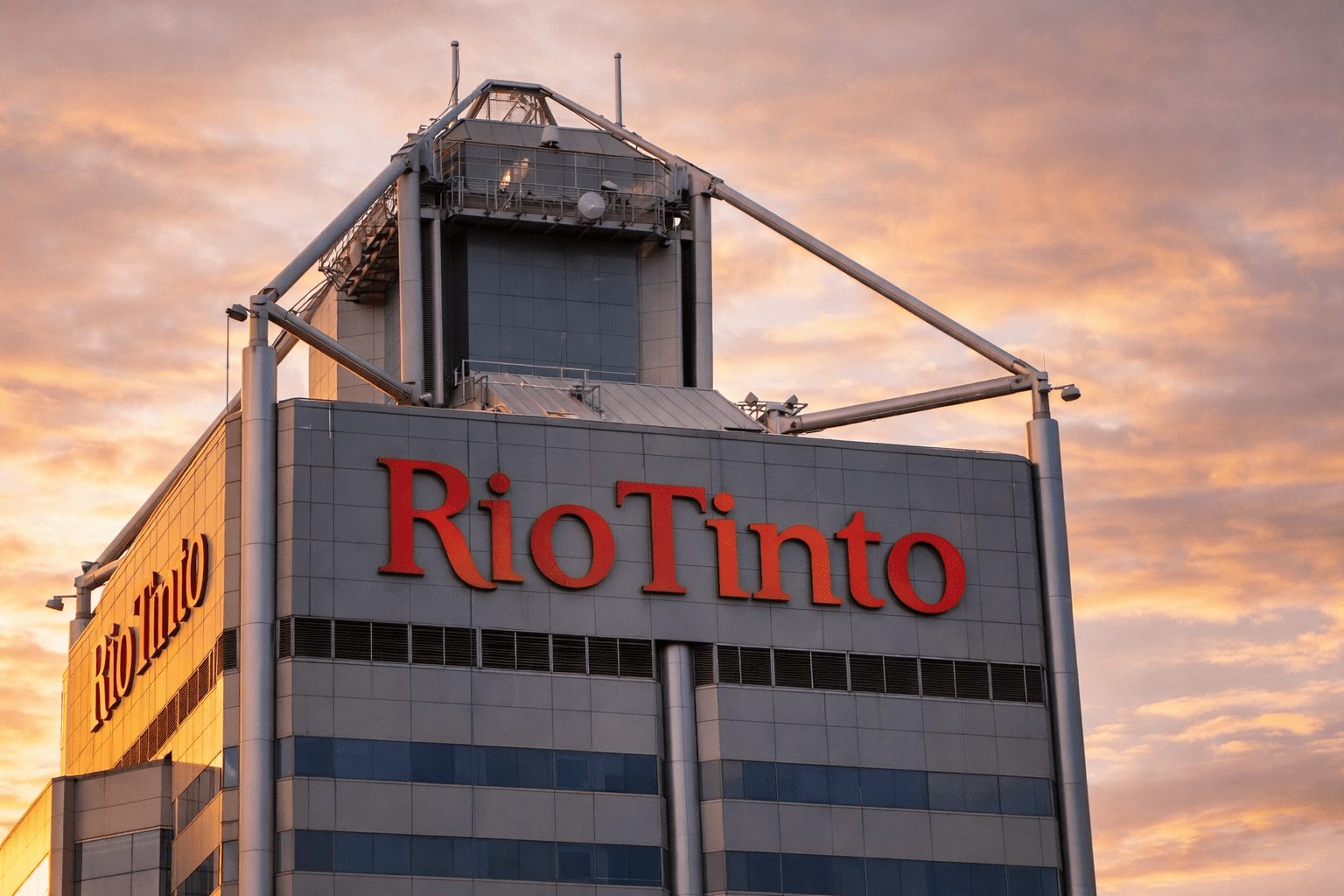
Rio Tinto plc on Tuesday rolled out a supplementary prospectus tied to its U.S.$10 billion Euro Medium Term Note programme, updating the miner’s existing debt platform and ensuring access to capital remains in play. The UK Financial Conduct Authority has signed off on the filing, which pertains to notes from three Rio Tinto Finance (USA) issuers, with guarantees in place from both Rio Tinto plc and Rio Tinto Limited.
Timing’s a factor here. Rio is pouring cash into copper and lithium projects even as cyclone damage has disrupted Pilbara iron ore shipments—the backbone of its earnings. Back in February, the company reported operating cash flow hitting $16.8 billion in 2025, but free cash flow sliding 28%, and net debt moving up to $14.36 billion. Just days ago, Rio flagged that Cyclone Narelle caused Pilbara shipment hiccups, though it’s still sticking to its full-year outlook.
The update on Tuesday was just the publication of a revised prospectus tied to the existing $10 billion programme. Put simply, an EMTN programme acts like a pre-approved bond shelf, giving the company flexibility to tap debt markets faster when issuing new notes.
Chief Executive Simon Trott, discussing Rio’s annual results, said the company plans to stick with investments aimed at “value-accretive growth,” citing both a “strong cash flow and balance sheet” to back shareholder returns. Rio noted it’s still targeting 3% compound annual growth in copper-equivalent output through 2030—a metric that translates various mined products into copper value for a clearer comparison across its portfolio. Rio Tinto
There’s no shortage of spending plans. Back in March, Rio landed a $1.175 billion financing deal from four global lenders to back its Rincon lithium project in Argentina. According to the company, the funds will broaden how it pays for the $2.5 billion development.
Katie Jackson, who leads Rio’s copper division, told Reuters last week the group is “quite committed to bringing copper on as quickly as we can” at Resolution Copper in Arizona, aiming for production to start sometime in the early- to mid-2030s. Following its acquisition of key acreage at the site, Rio has kicked off a $500 million drilling campaign. Reuters
The whole sector’s leaning the same direction. BHP—Rio’s main competitor—has also put copper front and center in its growth story. Incoming CEO Brandon Craig said any M&A would need to be “incredibly compelling” compared to the projects they already have lined up. Earlier this year, Rio dropped its takeover talks with Glencore, choosing instead to focus back on what’s in-house. Reuters
Jefferies analyst Christopher LaFemina weighed in after Glencore talks broke down, saying, “It is possible that the two companies re-engage at some point in the future, but that is not our base case,” and pointing out that Rio would probably proceed on its own. Later that same month, Rio disclosed it was gauging buyer interest for its titanium and borates unit, and reviewing options to monetize infrastructure in multiple segments. Reuters
Immediate risks remain. On March 30, Rio reported Cyclone Narelle knocked an estimated 8 million metric tons off projected iron ore shipments. Even so, the miner left its 2026 Pilbara target steady at 323 million to 338 million tons and said it expects to claw back about half of the lost volume.
If iron ore prices slide, or if Australia’s weather turns rougher, the funding math could change yet again. Delays in Mongolia or Arizona would also complicate things. Jackson indicated Rio is willing to cut management fees and interest rates during Oyu Tolgoi talks with Mongolia, but cautioned the company faces “a very real and significant risk” at the site. Reuters