
LONDON, April 6, 2026, 19:06 BST
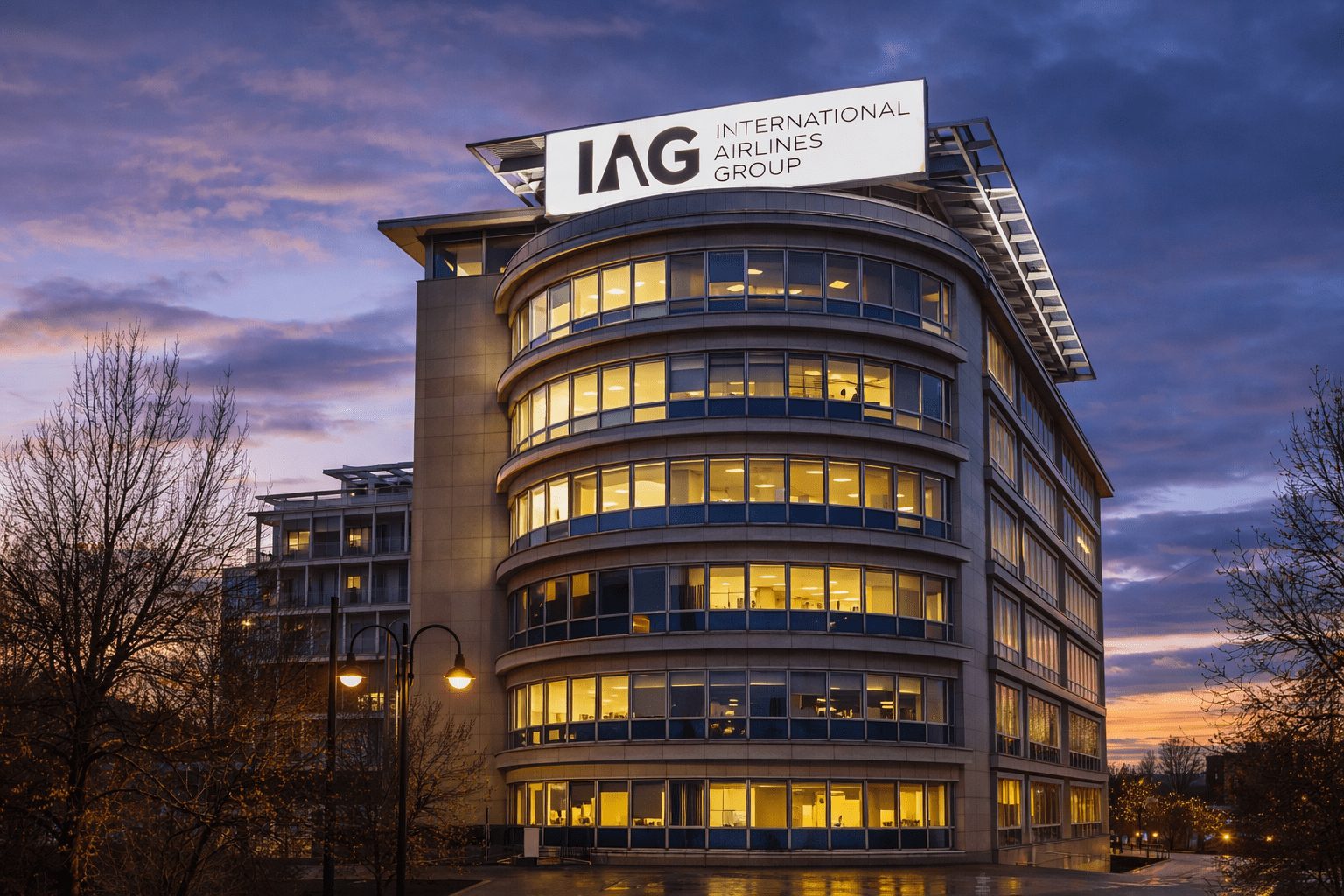
International Consolidated Airlines Group SA, which owns British Airways, faces a tougher summer on the fuel front. U.S. crude bound for Europe soared to record premiums Monday, piling more pressure on the refineries that supply jet fuel. WTI Midland cargoes for Europe fetched nearly $15 a barrel over dated Brent, with buyers from both Asia and Europe scrambling to secure alternatives after Middle East flows were disrupted.
This comes at a tough moment. Back on March 10, IAG said it wouldn’t be hiking ticket prices right away—contracts had locked in a good chunk of its fuel needs for now. But according to Reuters, jet fuel prices in March jumped much more sharply than crude, trimming the advantage of those hedges just as European airlines approach the June-to-September period that typically brings in the bulk of their profits.
IAG entered the season on a roll, having posted a 13% rise in 2025 operating profit before exceptional items—excluding one-offs—to 5.02 billion euros back in February. That nudged past analyst estimates. The company also announced plans to return 1.5 billion euros to shareholders over the next 12 months, targeting roughly 3% capacity growth for this year. On the earnings call, finance chief Nicholas Cadbury flagged a higher 2026 fuel bill, pointing out it had increased to about 7.4 billion euros from the 7 billion euros estimated at Dec. 31, despite 62% of fuel now hedged.
Fuel markets aren’t immune to the squeeze. Jet fuel and diesel are now heading to Europe from New York Harbor—a flip from the standard direction, Reuters flagged on April 2. “European refiners can’t make money” bringing in U.S. spot barrels at these differentials and freight rates, said Paola Rodriguez-Masiu, chief oil analyst at Rystad Energy. J.P. Morgan, according to Reuters, estimates that if jet fuel prices hold 10% higher, operating profit could shrink 3% to 10% for major European carriers like IAG. Reuters
IAG’s flagship, British Airways, continues to face operational disruptions. An April 2 travel update showed cancellations or suspensions on routes connecting to Abu Dhabi, Amman, Bahrain, Doha, Dubai, Tel Aviv, and Riyadh. According to Reuters, services to Amman, Bahrain, Dubai, and Tel Aviv remain off the board through May 31, while flights to Doha are paused until April 30. Abu Dhabi flights are still suspended with no set return this year.
Some competitors are already moving quickly on price and capacity. Air France-KLM plans to tack on 50 euros per round trip to long-haul fares to make up for spiking fuel costs. Ryanair’s Michael O’Leary warned that if the conflict stretches into April, airlines could face a “risk to 10% or 20% of the fuel supply” by June, potentially forcing summer flight cuts. Carsten Spohr at Lufthansa expects any jet fuel shortages would likely hit outside Europe first. Reuters
IAG is stepping back from the chase. The company said on April 2 it won’t put in a non-binding offer for a minority stake in Portugal’s TAP, opting instead to zero in on expanding its current airlines. That decision leaves Air France-KLM and Lufthansa vying for the Portuguese carrier, prized for its Lisbon routes connecting to Brazil, Africa, and the U.S.
The risk isn’t hard to spot. Should supply strains from the Middle East persist, IAG could struggle to keep a lid on fuel expenses and might have to hike ticket prices or cut back flights just as the summer rush gains momentum. If things loosen up, though, the company’s existing hedge could carry it through for now.
Back in February, Luis Gallego flagged robust premium and corporate demand at British Airways, citing especially strong first-quarter bookings. Investors now look to May 8 for the next key update, as IAG prepares to release its first-quarter numbers.