
Sydney, April 13, 2026, 23:26 AEST
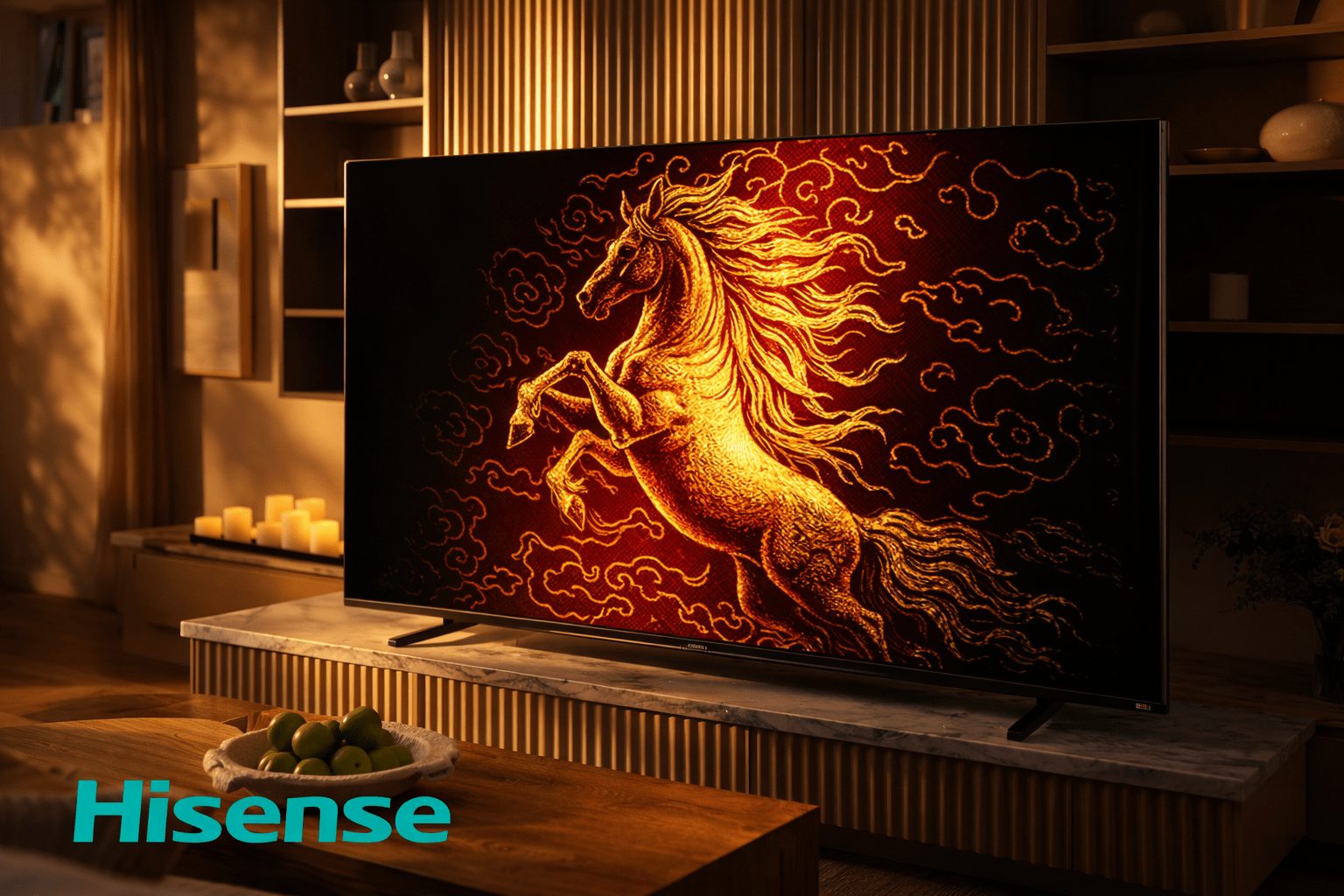
Hisense is taking on OLED head-to-head in the high-end TV segment, following a new UR9 RGB MiniLED review that highlights the set’s notably bright, precise images and impressive color range. But the price tag matches OLED territory: the 65-inch UR9 rolls out in the U.S. at $3,499.99, with wider Best Buy availability slated for April 23, according to the company.
This is significant: Hisense isn’t limiting RGB MiniLED to its largest, flashiest models anymore. According to recent reports from Australia and New Zealand, the tech is headed into the UR9 and UR8 ranges, with Australian prices starting at A$2,299 and first units expected in stores from late April.
RGB LED, in essence, refers to an LCD TV where individually managed red, green, and blue LEDs handle the backlighting, rather than relying on filtered white light. That’s the definition used by the Consumer Technology Association, and according to Hisense’s regional marketing rollout, the latest UR series lines up with that standard.
Hisense is targeting local consumers with TVs designed for bright-room environments, an everyday hurdle in Australia and New Zealand. The latest models are reported to feature anti-reflective screens, 180Hz refresh rates, and sound tuned by Devialet. Kevin Ke, managing director for Hisense Australia and New Zealand, described RGB MiniLED as now “at the heart” of Hisense’s home-entertainment roadmap. ChannelLife New Zealand
Hisense is pitching the UR9 in the U.S. as more than just a flashy tech showcase. When pre-orders launched in late March for the 65-, 75-, 85-, and 100-inch versions, James Fishler, the company’s chief commercial officer in the U.S., called it “setting a new standard for color performance in home viewing experiences.” PR Newswire
The UR9’s DisplayPort over USB-C is getting a lot of buzz. According to BGR, this setup supports 4K gaming at 170Hz or 180Hz, with the figure varying by screen size. HDTVTest pointed out it’s the first premium TV in its experience to include DisplayPort—a port typically reserved for gaming monitors and PCs, not TVs.
Hisense is coming in with a more aggressive approach, but the market won’t get any easier. Senior reviewer John Higgins called the UR9 “a great first shot against OLED’s bow,” though he pointed out the 65-inch model lands right in competition with equally priced OLED sets from LG and Samsung. According to Higgins, OLEDs still come out on top for contrast and picture quality. Because RGB MiniLED is still fundamentally LCD, it means more limited viewing angles and issues like blooming—the halo that appears around bright highlights in dark scenes. The Verge
Hisense appears set on positioning RGB MiniLED as a legitimate premium segment, rather than just another flashy outlier. But instead of aiming for a cheaper price point, the company is heading straight into the high-end TV market.