
Redmond, Washington, April 15, 2026, 04:03 PDT
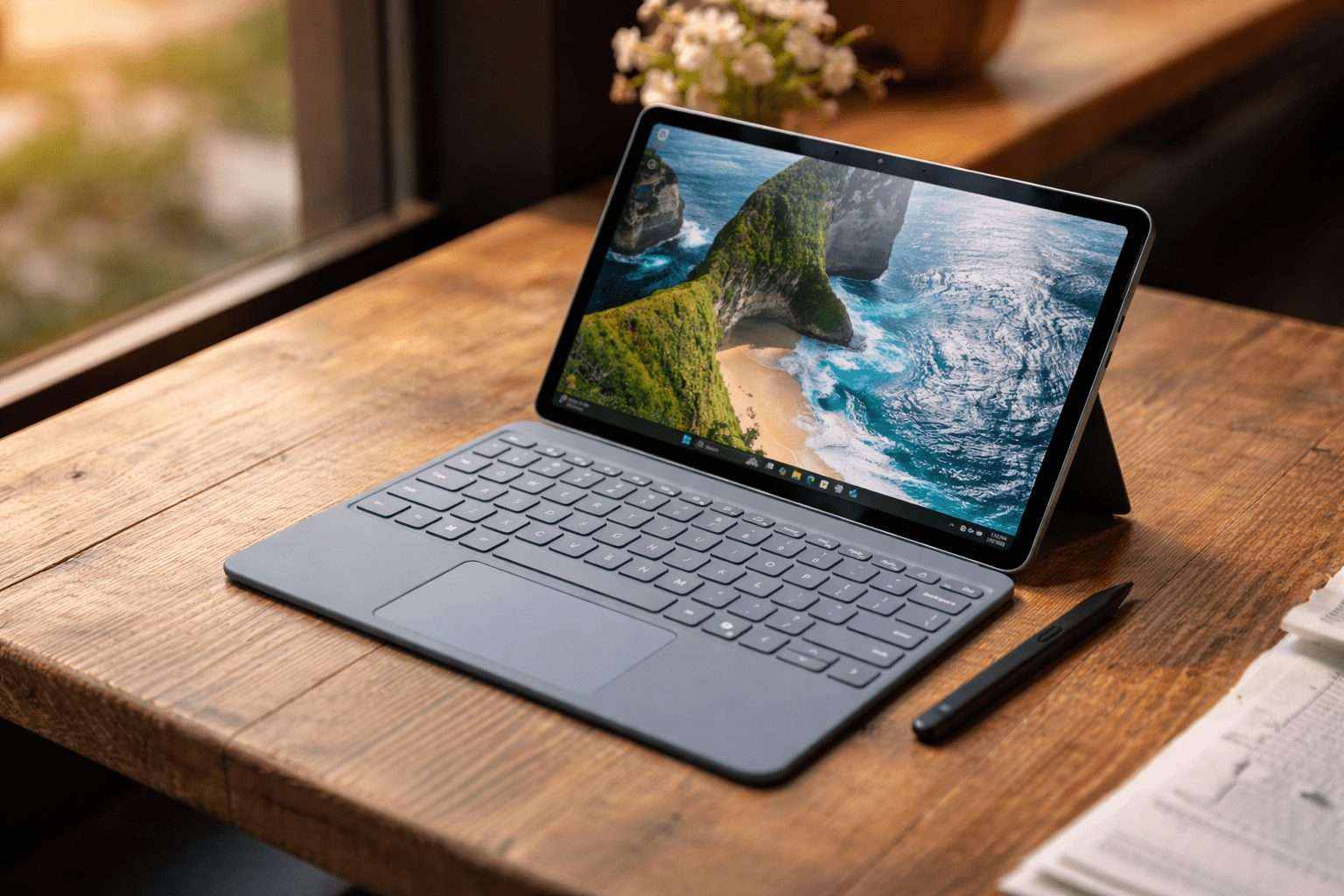
Microsoft bumped up U.S. pricing on its Surface PCs, nudging entry-level models past the $1,000 mark. The cheapest 12-inch Surface Pro now kicks off at $1,049 on the Microsoft Store, while the 13-inch Surface Laptop is up to $1,149. As for the 13-inch Surface Pro and the 13.8-inch Surface Laptop, both sit at $1,499. Shoppers eyeing the largest option—the 15-inch Surface Laptop—will see it listed at $1,599.
This shift comes right as the memory-chip shortage, which began in AI data centers, is now pinching the consumer PC market. Dell and HP have both responded—some by raising prices, others by cautioning investors—since pricier components are now chipping away at margins for makers of top-end Windows machines.
Microsoft is citing higher expenses as the reason behind the change. “Due to recent increases in memory and component costs, Surface is updating pricing on Microsoft.com for its current-generation hardware portfolio,” a company spokesperson said in a statement to Windows Central. Windows Central
The surprise here is that some of these devices haven’t been around long. Microsoft rolled out the 12-inch Surface Pro and the 13-inch Surface Laptop this May, pegging their starting prices at $799 and $899. As for the older models—a 13-inch Surface Pro and the 13.8-inch Surface Laptop—The Verge pointed out that Microsoft had already pulled the initial $999 versions last year. After that, buyers were funneled toward $1,199 configurations with extra storage, and now, the latest hike lands them at $1,499.
Microsoft finds itself squeezed on pricing as it squares off with Apple, its most direct high-end competitor in U.S. consumer laptops. Apple’s MacBook Neo comes in at $599, while the 13-inch MacBook Air featuring the M5 chip is listed at $1,099. That puts Microsoft’s lowest-priced Surface Laptop above the Air right out of the gate.
Gartner senior director analyst Ranjit Atwal described the memory shock as “the steepest contraction in device shipments witnessed in over a decade.” He cautioned that vendors faced a tight first-half window to defend margins before component inflation began to take a bigger toll. Gartner
Some analysts don’t expect the pain to end soon. “Higher prices for consumers” are unavoidable, eMarketer’s Jacob Bourne told Reuters, pointing to the size of the shortage. Samsung memory executive Kim Jaejune, back in January, warned a widespread shortage of memory products would probably stick around “for the time being.” Reuters
One variable remains. On April 8, TrendForce noted spot DRAM prices—the key memory chips in PCs—were slipping as traders offloaded stock. Still, sellers continued to press for higher contract prices in the second quarter, so any break for retail buyers could be slow to arrive.