
SHENZHEN, China, April 17, 2026, 00:39 CST
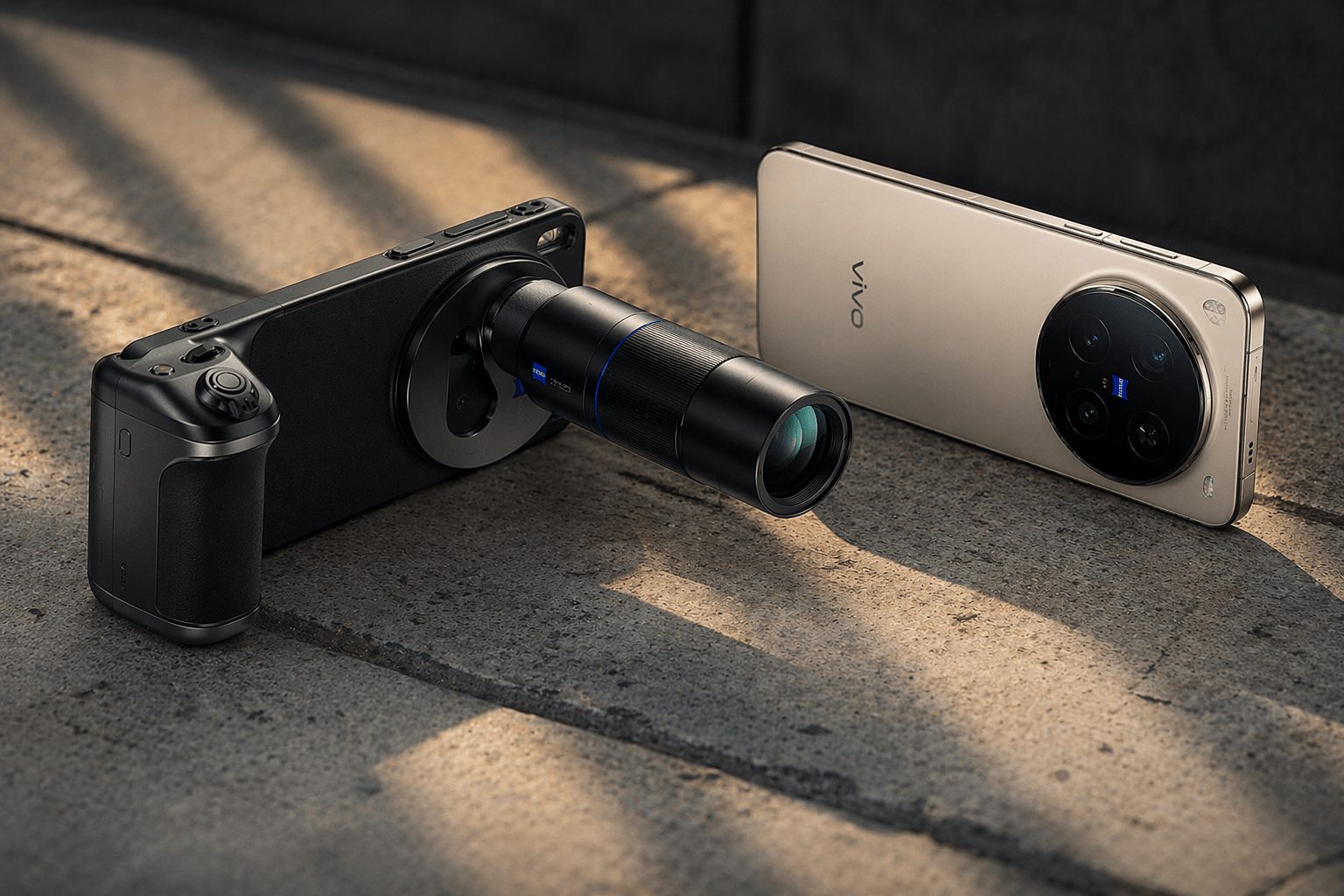
Vivo is bringing the X300 Ultra to Europe, marking the first time the camera-focused flagship is available beyond China. Pre-orders are up with a €1,999 price tag, pushing Vivo’s premium X-series into the broader international scene. According to the company, the device pairs Zeiss co-developed lenses with advanced video features and supports optional long-range lens add-ons.
This shift is notable, with the high-end Android market rapidly morphing into a showdown over camera tech even as expenses creep higher. Samsung’s Galaxy S26 Ultra is on shelves; Oppo is lining up the Find X9 Ultra’s global launch for April 21. Omdia points out that vendors are managing pricier components and shrinking profit margins industrywide.
Vivo’s official European site lists Austria, Germany, Hungary, and Switzerland. Pre-orders open April 16 and close April 23, with general sales set to begin April 24. Buyers can take advantage of launch offers—up to €1,309 in value—including a complimentary Pro Video Rig Kit (regularly €499) and accessory discounts.
The core of the setup: three rear cameras, each locked to a different focal length. Vivo’s main sensor is a 200-megapixel at 35 mm; next to it, an 85 mm 200-megapixel telephoto, plus a 14 mm ultra-wide. To push reach even further, Vivo is offering telephoto add-ons with 200 mm and 400 mm equivalents—those numbers, the industry’s standard for gauging zoom across camera types. The longer lens here picks up gimbal-level stabilization for steadier handheld shots at distance, plus 60 fps subject tracking in snapshot mode.
Vivo is putting its weight behind video. The X300 Ultra shoots 4K at 120fps across every rear camera, using 10-bit Log for flatter files that give editors more flexibility with color grading. It’s also ACES-ready—the same color workflow relied on in film and TV post-production. Back at MWC in March, vivo’s imaging VP Yu Meng called it a “strategic expansion into the dynamic world of video.” PR Newswire
The cage from SmallRig brings extra shutter and zoom controls, not to mention cooling and spots for accessories. Alongside, Vivo rolled out the X300 FE: it’s a smaller sibling, featuring a 6.31-inch screen, 50-megapixel telephoto, hefty 6,500 mAh battery, and 90W fast charging. That extends Vivo’s imaging lineup beneath the Ultra.
Pricing has gotten tougher. According to Omdia, vendors like Xiaomi, HONOR, OPPO, and vivo bumped up retail prices on certain models in China by anywhere from 10% to 30% during the first quarter, as memory costs rose. That shift “had a clear and negative impact on consumer purchasing sentiment,” principal analyst Hayden Hou said. Still, “meaningful innovation” in flagship devices might provide some lift for demand, senior analyst Lucas Zhong added. Omdia
That’s the gamble Vivo is taking here. The company is charging premium flagship prices, but what it’s offering is a camera setup clearly aimed at pro-level creators—not your average upgrader.
Risks are stacking up. The phone itself comes in at €1,999. Add the photography kit—regular price €599—or the separate rig kit at €499, and costs climb quickly. Omdia flagged last week that cost pressures in the industry are set to worsen through 2026. That spells trouble if buyers grow wary, especially for a device so dependent on pricey add-ons.
The main shift here is strategy. As PhoneArena points out, neither the X200 Ultra nor the X100 Ultra saw an official launch outside China. That makes the X300 Ultra Vivo’s most direct attempt so far to see if a smartphone marketed as a mini camera rig can succeed abroad.