
Shenzhen, China, April 16, 2026, 06:14 (China Standard Time)
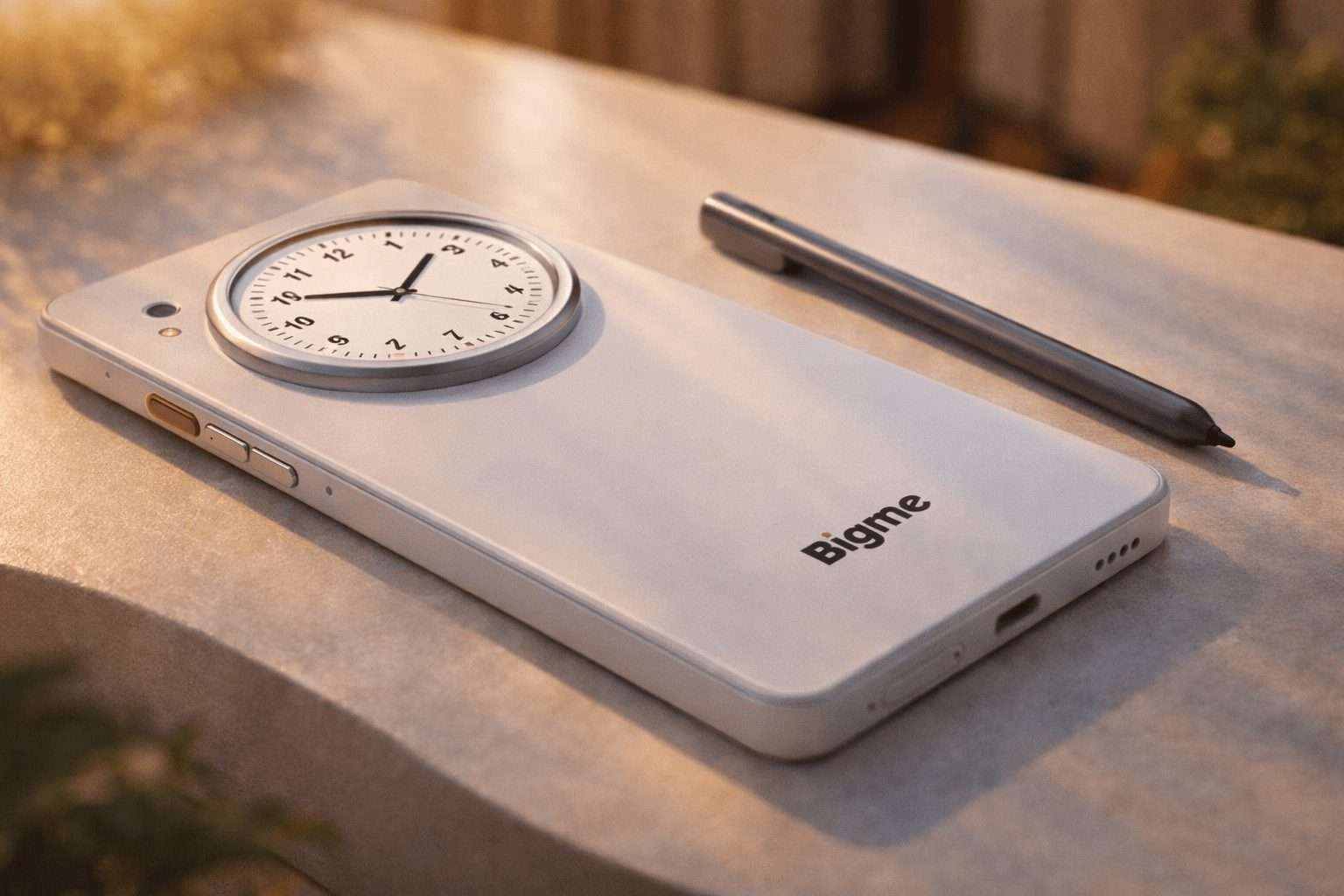
Bigme, out of Shenzhen, rolled out the HiBreak Dual—a 5G Android device featuring a 6.13-inch E Ink display up front and a compact circular LCD tucked onto the back. Preorders kick off at $359. The company is calling it the first smartphone to bring together a color E Ink screen and a rear LCD, but buyers can opt for black-and-white E Ink versions too.
This is key: E Ink—the same tech behind most e-reader screens—offers a more eye-friendly experience and sips power compared to a typical phone display. The trade-off? Sluggish refresh rates, and it doesn’t play nice with video or games. Bigme’s approach: hand off those demanding tasks to a second screen, bringing back a device design that had nearly faded away.
Bigme lists both 8GB/128GB and 12GB/256GB options in its store, each available in either black-and-white or color E Ink. Buyers can also tack on a case and stylus bundle if they want. According to a post from the company on X, preorder slots open April 16 (U.S. Eastern time) at $359 for the first 120 orders, then climb to $389 and $409 as those spots fill.
The device ships with Android 14 and Google Play onboard, running on a MediaTek Dimensity 1080 processor. Battery spec sits at 4,500 mAh, paired with 18W charging. Camera setup: 5MP up front, 20MP at the back. Bigme claims the screen reaches 53 frames per second for smoother visuals, and the stylus recognizes 4,096 pressure levels.
This design brings back a format previously seen with YotaPhone and Hisense devices, both known for combining traditional screens and monochrome E Ink panels. Bigme’s own HiBreak Plus and HiBreak Pro Color stick around in the range, but the Dual model introduces a rear LCD and comes with stylus support.
Most early coverage zeroed in on that second screen’s dimensions. Liliputing pointed out the rear panel isn’t the full-size display some had hoped for; Android Authority wasn’t convinced either, saying a watch-sized screen probably isn’t much help for media or apps compared with a real two-sided phone. Bigme, for its part, frames it as a glanceable spot for notifications, music controls, weather, and quick selfie previews.
Conditions have turned rougher. According to IDC, global smartphone shipments dropped 4.1% in the first quarter. Senior research director Nabila Popal called it “one of its most challenging periods” for the industry, citing memory shortages that have pushed component costs higher, with prices spiking between 40% and 50% in some emerging markets. IDC
Bigme faces a tough test: can its combo of eye-friendly displays and a compact LCD actually draw buyers outside the core E Ink crowd? The odds look steep. IDC research director Anthony Scarsella put it bluntly—the first-quarter slide is “just a sample of what’s to come” as memory constraints bite deeper. IDC