
Cupertino, California, April 16, 2026, 10:35 AM PDT
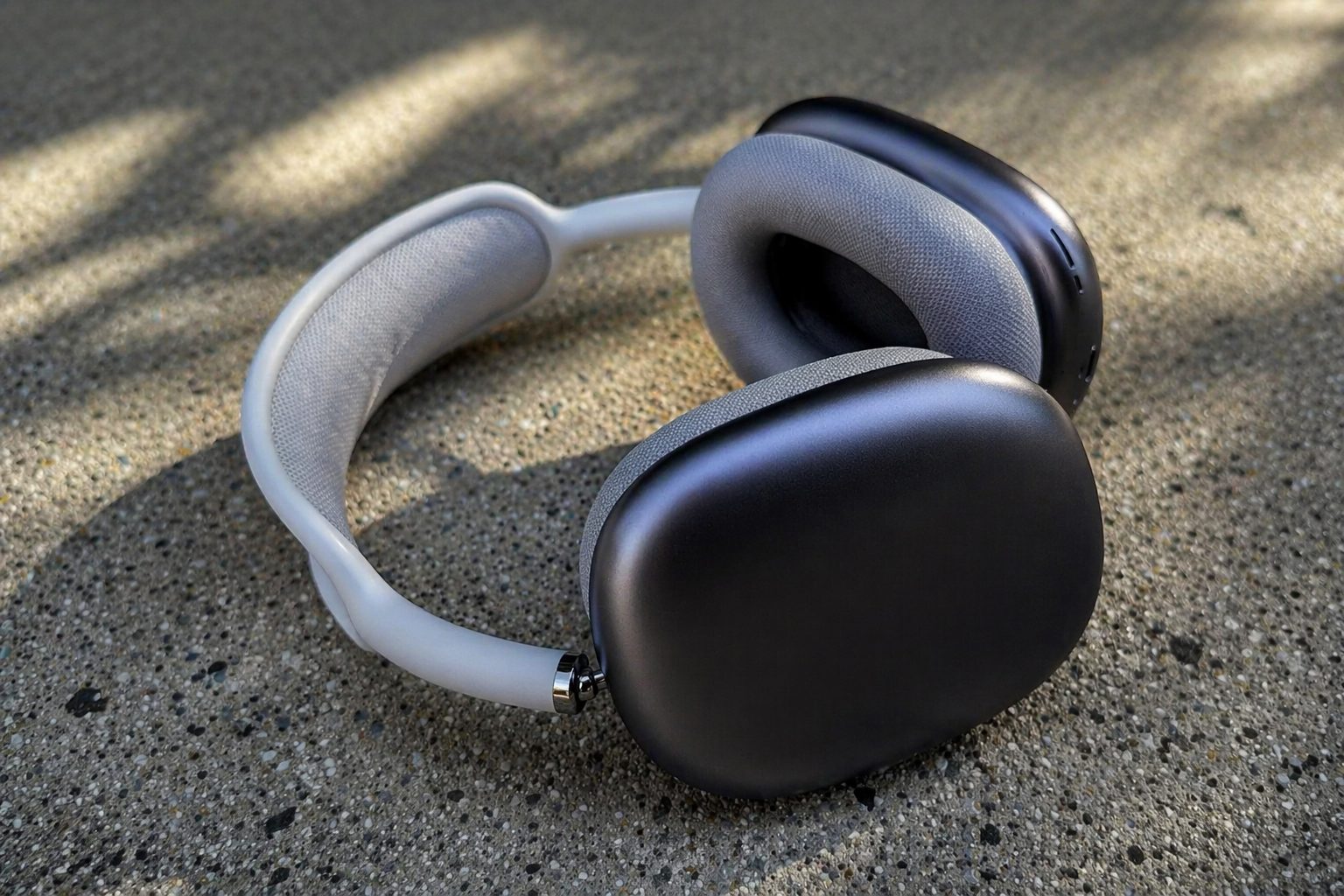
Apple’s AirPods Max 2 is drawing praise in new reviews for its improved sound clarity and a boost to active noise cancellation—microphones and software team up to tamp down ambient sounds. Still, with a $549 price tag, reviewers are split on whether those with the first-gen model should bother making the switch.
That point matters, with Apple working to justify higher prices in audio against Sony, all while positioning its $249 AirPods Pro 3 as the easier pick for most buyers. This week’s reviews appear to tip the momentum in Apple’s favor—but for earbuds, not the over-ear category.
Apple rolled out its AirPods Max 2 back in March, packing the H2 chip and bringing in features like Personalized Spatial Audio — that’s Apple’s own take on immersive surround playback. The update also folded in new software tricks, including Adaptive Audio, Conversation Awareness, and Live Translation. Over USB-C, listeners now get 24-bit, 48 kHz lossless audio, a wired option that keeps more of the source quality intact. Apple’s director of Audio Product Marketing, Eric Treski, said the H2 gives these headphones “up to 1.5x more effective” noise cancellation. Apple
Christian de Looper, writing for BGR on Wednesday, pointed out that the Max 2 looks just like the original and remains heavier than both Sony’s WH-1000XM6 and Bose’s QuietComfort Ultra. According to de Looper, Apple’s new version now outperforms Sony on noise cancellation in certain scenarios, but the battery still clocks in at 20 hours—no change from before, and still behind the competition.
On April 14, What Hi‑Fi? refreshed its AirPods rankings, slotting AirPods Pro 3 at number one among Apple’s offerings. Max 2, still strong, drew some criticism—the upgrades over the original just weren’t dramatic enough, according to the reviewers. In the same update, Bowers & Wilkins’ Px7 S3 was flagged as a real competitor to Apple’s over-ear option.
Apple’s AirPods Pro 3 are here, boasting up to twice the noise reduction of their predecessors along with heart-rate tracking for workouts. Battery life gets a bump too—eight hours with noise cancellation running. Hardware boss John Ternus labeled the update a “massive leap forward.” Apple
Recent stories largely support that view. Just this week, 9to5Mac called AirPods Pro 3 better than ever after ongoing software tweaks, keeping it as their top pick for Apple fans. TechRadar’s audio reviewer pointed to “the quietest ANC” they’ve tried. Over at SoundGuys, the take was similar: the model still offers one of the most stacked feature lists for iPhone users. 9to5Mac
Sony remains Apple’s main rival here. TechRadar’s head-to-head calls the WF-1000XM6 the pick for sheer audio performance, but gives the edge to Apple’s AirPods Pro 3 when it comes to value, design, and that tight iPhone tie-in. Sony prices the WF-1000XM6 at $299.99 on its U.S. site—higher than Apple’s $249 for the AirPods Pro 3. For over-ears, Sony’s WH-1000XM6 sits at $429.99, which undercuts AirPods Max 2.
Still, Apple faces a risk if software extras stop moving the needle. Live Translation on the AirPods Max 2 only works with an Apple Intelligence-enabled iPhone running iOS 26 — and not everywhere, or in every language. Reviewers, meanwhile, zero in on the same old exterior and the familiar 20-hour battery. All told, recent reviews point to Apple tightening its hold on the premium earbuds market more quickly than it has with ultra-premium headphones.