
NEW YORK, April 23, 2026, 03:45 EDT
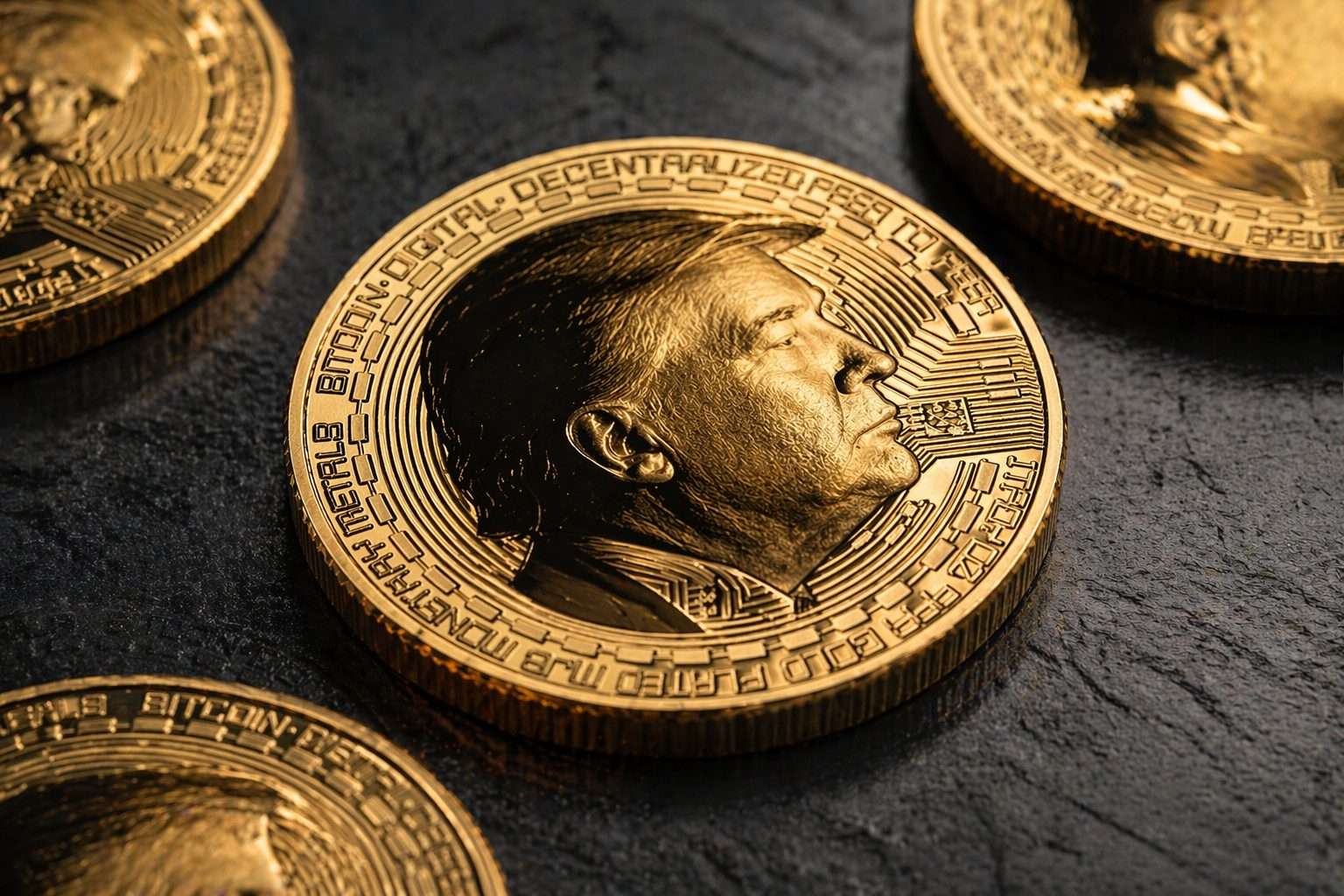
Justin Sun has filed a lawsuit in California federal court against World Liberty Financial, the Trump-linked crypto firm, claiming the company froze his WLFI tokens and went so far as to threaten to destroy them. The complaint, lodged this Tuesday, intensifies already high-profile legal tensions surrounding a prominent Trump family-backed crypto project.
The stakes are high for World Liberty, which has been looking to move beyond WLFI token offerings. In January, it put in for a U.S. trust-bank charter. At that point, the company said its dollar-pegged stablecoin, USD1, had hit more than $3.3 billion in circulation. Last week, World Liberty rolled out terms restricting early investors from fully cashing out before 2030.
Justin Sun, the Hong Kong-based founder of Tron, claims World Liberty quietly planted blocking mechanisms that froze token sales just as WLFI began trading in September 2025. According to Reuters, his 4 billion WLFI tokens were worth an estimated $320 million. The suit says the lockout also stripped him of his voting rights—an especially big deal for this project, where tokens provide only limited governance, with no real equity attached.
World Liberty CEO and co-founder Zach Witkoff pushed back on X, dismissing Sun’s accusations as “entirely meritless.” Witkoff said the moves were made to protect both users and the company itself. A company spokesperson told Reuters the same, stressing that Sun hasn’t served as an adviser or had any operational involvement. The White House declined to comment, not replying to any requests. Reuters
According to the complaint, World Liberty representatives pressured Sun between April and July 2025 for another $200 million to go into USD1, along with an equity share. The firm rolled out USD1 last year, billing the token as supported by U.S. Treasuries, dollars, and other near-cash holdings.
It’s a crowded field. Tether’s USDT and Circle’s USDC together dominate, with most of the more than $310 billion stablecoin market in their hands. When USD1 launched, Kevin Lehtiniitty, the chief at Borderless.xyz, was blunt: “building an ecosystem that adopts it is a far harder task.” Reuters
Tension was already building between World Liberty’s investors. Then, last week, the company unveiled a plan to freeze 80% of early holders’ stakes for an additional two years—on top of a fresh two-year vesting period. Spokesman David Wachsman called it a step to ensure “healthy market supply.” Reuters
After complaints about governance, special treatment for major holders, and blowback over the “Super Nodes” tier—which let investors who locked up $5 million in tokens get direct or preferential access to the business development team—the move landed. Reuters put the Trump family’s take from World Liberty at more than $460 million in the first half of 2025, later pushing that number north of $1 billion. The White House said in March that Trump himself stays out of any deals intersecting with his constitutional duties. Reuters
The uncertainty here isn’t just limited to this one legal battle. If the court decides Sun’s claims deserve a hearing, investors may start looking twice at how much control these so-called decentralized crypto outfits really have over wallets and token movement. Yet, even a win for World Liberty doesn’t offer much relief—central bankers have already been raising red flags over the dangers posed by stablecoins, citing risks like market splits and the threat of runs when stress hits.
In March, Sun settled a civil fraud case with the U.S. Securities and Exchange Commission for $10 million, without admitting any wrongdoing. The SEC had paused its pursuit after Trump became president. Now, Trump’s camp is dialing up support for crypto in Washington, drawing attention to regulation, policy moves, and his family’s business ties, all while the World Liberty dispute intensifies.