
NEW YORK, April 23, 2026, 13:12 EDT
U.S. regulators are stepping in on self-checkout, rolling out limits on items, staffing requirements, and penalties—despite Connecticut shelving its proposal just last week. What started as a retail management topic is fast becoming a heated policy clash. Long Beach’s restrictions are up and running, Costa Mesa’s kicked in on April 20, and lawmakers in New York City, Massachusetts, Rhode Island, and Ohio are weighing similar steps.
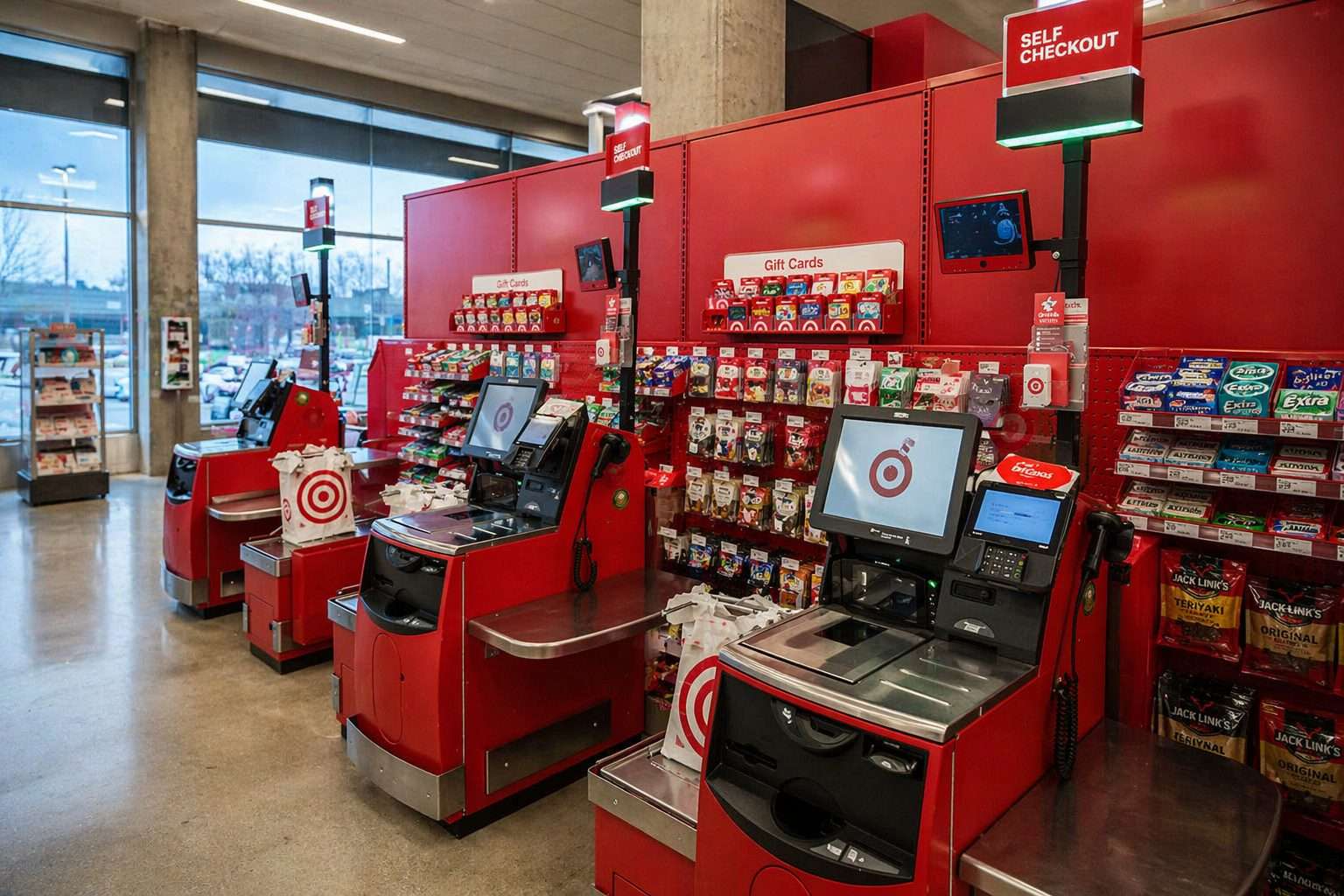
This push has real urgency, with big retailers already changing how their stores handle checkout. Target, for instance, rolled out a 10-item express self-checkout at most of its close to 2,000 U.S. locations, claiming it’s shaved almost 8% off overall transaction times. CBS MoneyWatch notes that Walmart and Costco have also tweaked their self-checkout setups in selected stores. “It won’t stay a free-for-all,” Neil Saunders, GlobalData’s retail managing director, told CBS. Target Corporation
Connecticut pushed back. Senate Bill 438—which called for one staffed checkout per two self-checkouts, a worker for every two kiosks, and no more than eight machines per store—died for the session when the Judiciary Committee skipped the measure on April 19.
Wayne Pesce, who heads the Connecticut Food Association, called the bill’s approach a “serious flaw,” saying it unfairly targets grocery stores despite many customers still preferring self-checkout for its speed and convenience. Bill sponsor Julie Kushner told CT Post she anticipates lawmakers will revisit the proposal next year. Connecticut Post
New York City’s plan takes a narrower approach, but the rules have real bite. Intro 729, introduced on March 10, lays out a 15-item cap at self-checkout for pharmacies and big food retailers. The measure also mandates at least one employee be present in the self-checkout zone at any hour, plus a staffing ratio—one worker for every three kiosks once a fourth is switched on. Civil penalties would kick off at $100 per worker, with fines escalating if violations go unaddressed.
Massachusetts lawmakers are considering S.237, a bill that would hit grocery stores with a maximum of eight self-checkout stations. The proposal—now in the hands of Senate Ways and Means—also mandates one staffed checkout for every two kiosks, and prevents assigning a single worker to watch over more than two machines. Rhode Island is looking at a nearly identical plan under S2342, but that one was sent back for more study on March 24.
Ohio’s SB 415 landed in the Senate General Government Committee on April 15. The bill would force retailers to keep at least one staffed checkout open, cap self-checkout customers at 15 items, and mandate one worker for every three running kiosks. Self-checkout sales of locked-up or age-restricted products would be off the table. Over in California, the state’s version—SB 442—also pushes for a staffed lane, clear 15-item signs, a dedicated attendant, and requires stores to give 60 days’ notice before rolling out self-checkout. Cities, though, could tighten the rules even more.
California stands out as the most visible example right now. Since September 2025, Long Beach has enforced an ordinance mandating at least one staffed checkout lane, a 15-item cap per self-checkout transaction, and a one-to-three staff-to-machine ratio. Anaheim officials in March noted Costa Mesa matched those requirements starting April 20, and said Anaheim is weighing a similar move.
Backers argue the rules focus on both safety and service—not just deterring theft. California state Senator Lola Smallwood-Cuevas said SB 442 aims to protect workers and ensure customers receive the level of service they “expect and deserve.” Daniel Conway from the California Grocers Association countered, calling the bill “a clear example” of what’s driving up grocery prices in the state. LAist
The politics, though, remain in flux. Connecticut’s attempt collapsed quickly—a sign these proposals can hit a wall. Rhode Island’s effort is paused, and California’s version is a slow-moving two-year bill. Retailers aren’t waiting around; they’re making changes to checkout procedures on their own. The current trend: fewer items allowed, more staff on hand, and tighter policies for stores.