
LONDON, April 23, 2026, 15:51 BST
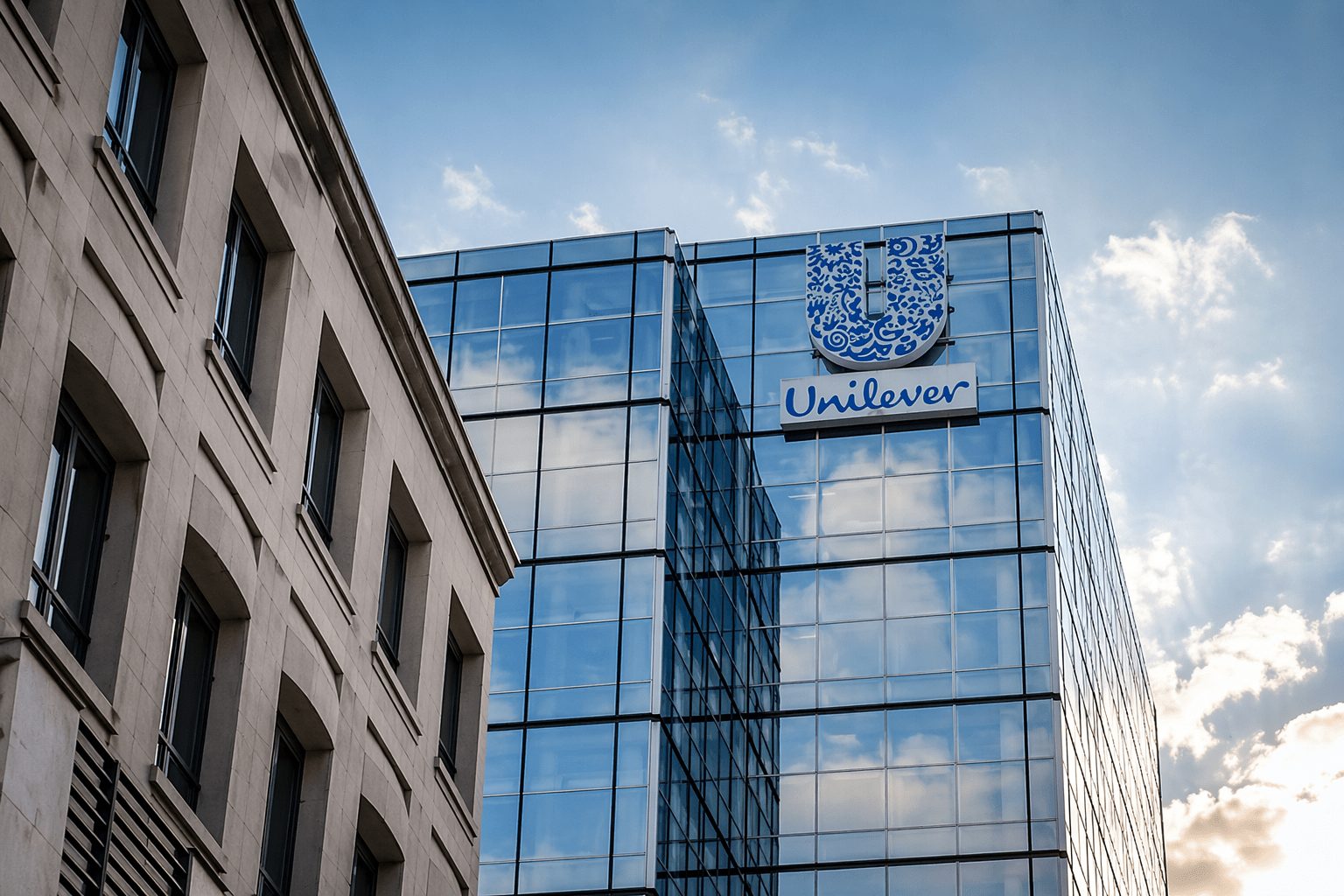
Unilever PLC’s European employee representatives are demanding binding job guarantees as the company moves to merge its foods unit with McCormick. That throws another complication into Chief Executive Fernando Fernandez’s most ambitious shake-up yet. Hermann Soggeberg, who chairs the Unilever European Works Council—the group representing roughly 20,000 employees across Europe and Britain—said following discussions with management that job security and equitable working terms must remain “central to the process.”
The McCormick deal sits at the heart of Unilever’s strategy to pivot from sluggish food divisions to faster-growing categories like beauty, wellbeing, and home care. Unilever reports first-quarter results April 30. Analysts surveyed by the company expect comparable sales growth of 3.6% for the period.
Workers aren’t settling for the basics. Earlier this week, Reuters noted the works council pushed for job protections on par with those secured during the 2025 Magnum ice cream spin-off—where employees locked in their terms for at least three years. That’s a far cry from the one-year minimum typically mandated by European law. The International Union of Food, meanwhile, flagged that staff in places such as India and Nigeria still don’t have clear answers, despite emerging markets representing 59% of Unilever’s 2025 turnover.
Unilever and McCormick struck a deal on March 31, lining up a cash-and-stock merger that pegs Unilever Foods’ value at around $44.8 billion and sets the combined group at roughly $65 billion. They’re using a Reverse Morris Trust—designed to be tax-efficient under U.S. law—spinning off and merging in one shot. Both companies reiterated the target to wrap things up by mid-2027, pending approvals from shareholders, regulators, and labor groups.
Unilever shareholders are set to control 55.1% of the merged entity, with Unilever retaining a 9.9% stake. The company stands to collect $15.7 billion in cash—money earmarked for separation expenses, paying down debt, and share buybacks. Fernandez described the transaction as “another decisive step” toward streamlining Unilever and sharpening its focus on home and personal care. Unilever
He told analysts the newly structured company is set to generate 39 billion euros in revenue, pointing to stronger exposure in faster-growing regions like the United States and India. Richard Saldanha, who manages global equities at Aviva and holds Unilever shares, summed up the strategy as focusing on beauty and personal care—categories, he said, where growth rates are “more attractive.” Unilever
There’s still some optimism among analysts, assuming efficient execution from the company. Barclays’ Warren Ackerman points to the “prize” of creating a pure-play home and personal care business. Will Nott at Ninety One also sees “re-rating potential,” provided Unilever can close its valuation gap against names like Procter & Gamble and L’Oréal. Reuters
Investors didn’t wait to react. Unilever dropped 7% the day the news broke. Chris Beckett of Quilter Cheviot flagged the regulatory risks and the integration headache that comes with absorbing a major food group. Bill Kovacic, former FTC chair, called out the likelihood of thorough U.S. antitrust review, saying the deal could hit consumer prices.
Unilever, in its merger filings, flagged that putting the two companies together could end up costing more and stretching longer than anticipated. The group also stands to give up the earnings and cash flow from a still-significant business. This is a notable point for shareholders: back in February, Unilever signaled its 2026 sales growth would likely hit the lower end of its 4% to 6% target, after running into softer demand in both the U.S. and Europe.
Unilever plans to keep discussions going with works councils and employee reps over the coming months. The company’s first-quarter update lands April 30, but with the deal still aiming for a mid-2027 close, labor concerns aren’t leaving the table anytime soon.