
SAN FRANCISCO, April 23, 2026, 06:46 PDT
- Ripple’s XRP Ledger is set for a four-stage post-quantum upgrade, with tests planned for 2026 and the company aiming to have the process wrapped up by 2028.
- The timing is significant: just last month, Google pushed its post-quantum migration goal out to 2029. The company also warned that future quantum computers might break the elliptic-curve cryptography now standard in crypto, needing fewer resources than previously thought.
- Rolling out the change is where things get tricky. Bigger signatures put the squeeze on speed, storage, and bandwidth. Plus, wallets, validators, and exchanges all need to get in sync.
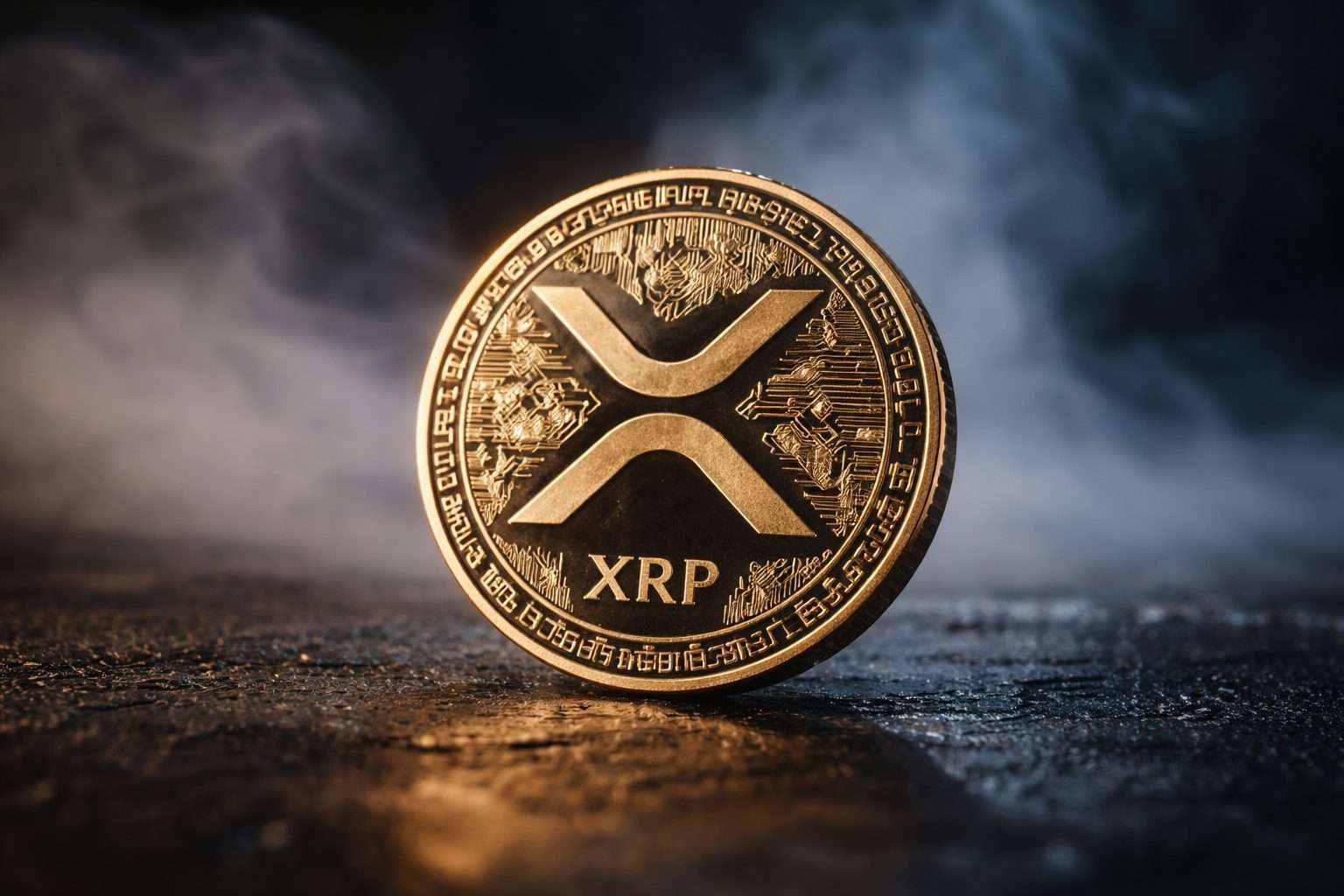
Ripple is targeting 2028 to get the XRP Ledger up to speed for post-quantum cryptography, setting a clear deadline for an issue much of crypto hasn’t pinned down yet. The company’s four-phase approach kicks off with testing this year and wraps up with a major network amendment to move the ledger to quantum-resistant signatures across the board.
This shift comes into sharper focus as the threat timeline tightens. Back in March, Google security leaders Heather Adkins and Sophie Schmieg outlined 2029 as the company’s target for post-quantum migration. Around the same time, researchers Ryan Babbush and Hartmut Neven warned that upcoming quantum machines could compromise the elliptic-curve cryptography behind cryptocurrencies using fewer qubits and gates than once thought.
The problem centers on digital signatures—the cryptographic evidence confirming a user’s wallet control and transaction approvals. In 2024, NIST, the U.S. standards agency, wrapped up its first trio of post-quantum cryptography standards and pushed organizations to make the switch. Now, blockchain developers have a concrete toolkit instead of just a menu of hypotheticals.
Ripple outlined its Q-Day recovery plan as the initial step—essentially, the point when existing public-key signatures can’t be relied on anymore. Testing of NIST-backed schemes is next up for the first half of 2026. After that, expect candidate quantum-resistant signatures to run in parallel with the current setup on a development network in the back half of the year. By 2028, Ripple aims to push a protocol amendment for a larger rollout. Project Eleven, Ripple added, is handling validator testing, benchmarking on Devnet, and work on a custody-wallet prototype.
“The threat has moved from theoretical to credible,” wrote J. Ayo Akinyele, who heads engineering at RippleX, in a company post. Ripple research manager Aanchal Malhotra posted on X, “quantum computing will not break crypto ‘tomorrow,’” though she warned that the “preparation window is shrinking fast.” Ripple
Ripple touts XRPL’s built-in key rotation as a migration advantage, letting users ditch outdated keys while keeping their accounts intact. Over at Ethereum Foundation, they’re charting their own post-quantum course. This week, Coinbase’s advisory board weighed in: Bitcoin is still searching for improved address formats, but Ethereum, they said, already has a more defined plan in the short term.
Traders showed little urgency. XRP changed hands near $1.42 on Thursday, slipping just over 2% in 24 hours. The token held on to its No. 4 market cap spot, staying around $87 billion, data from CoinMarketCap and CoinGecko show. Barron’s flagged declines among other leading names too—bitcoin, ether among them.
Publishing a roadmap? That’s the simple part. Actually pulling it off is something else. Ripple, along with other researchers, points out that post-quantum signatures pack more heft—bigger and bulkier than current cryptographic methods—which means higher costs for storage, bandwidth, and verification. Coinbase’s advisory board didn’t mince words this week, saying, sure, the solutions are out there, but getting them up and running is the tough bit.
The uncertainty isn’t just technical. Coinbase’s board warned that each blockchain community will be left to sort out the fate of wallets that don’t upgrade—a governance headache with big stakes for lost coins, inactive accounts, and custody protocols. “The timelines are pushing from both ends,” Project Eleven CEO Alex Pruden told the Wall Street Journal earlier this month, pointing to rapid advances in quantum hardware even as the blockchain world faces years of migration ahead. Coinbase
At this point, researchers and industry groups agree: there’s no quantum computer out there right now that can crack current blockchain signatures. Ripple, though, is moving to convince institutions and developers that XRPL already has a migration strategy lined up—a contrast to much of the sector, which is still tangled up in debates over architecture, standards, and politics. Instead of just making noise, the company says test data will land later this year as the next milestone.