
SINGAPORE, April 23, 2026, 16:40 SGT
- Input Output filed nine treasury proposals for Cardano’s 2026 cycle, noting its request comes in at nearly 50% less than what it sought last year.
- Leios scaling and Pogun—a credit and bridge project tied to Bitcoin—headline the proposals up for a vote.
- Pulling funds from the Treasury requires backing from at least 67% of active DRep stake, plus a green light from the Constitutional Committee.
Input Output, one of Cardano’s core engineering outfits, has kicked off a fresh round of treasury system testing, entering nine proposals aimed at scaling as well as Bitcoin-tied DeFi—think on-chain lending and trading, minus the banks. This time around, the firm says it’s slashed its funding request by nearly half compared to last year. DReps are now headed for a live vote, which stays open until May 24.
This is a shift for Cardano: core spending has moved out of the usual internal budgeting process. Any treasury withdrawal now goes through on-chain governance, putting DReps — delegates representing ADA holders — front and center in decisions about funding core development. IO’s governance page states that abstaining from a vote is effectively a no.
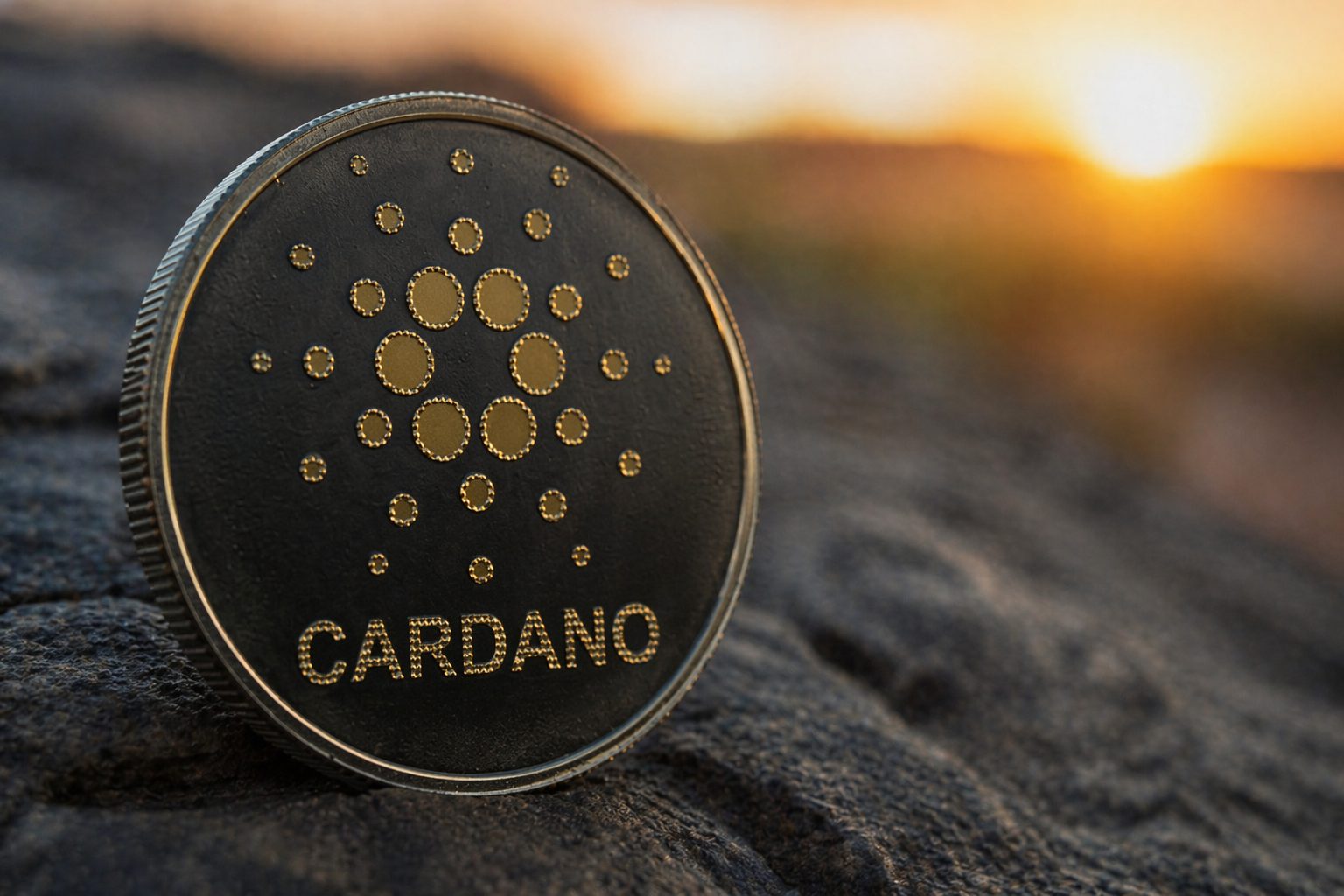
ADA hovered near $0.247 this Thursday. IO isn’t mincing words: Cardano, they argue, has to ramp up speed, make things easier for both users and developers, and figure out how to attract bitcoin liquidity onto the chain to fuel future growth.
Leios sits at the core of the package. The consensus proposal is seeking ₳27.7 million, aiming to shift the upgrade from work on the testnet over to a mainnet-ready release candidate. IO has said this could push Cardano’s transaction capacity up by anywhere from 10 to 65 times, a move that may help the network get to its 2030 goal of 27 million monthly transactions. “The science is done. Now we deliver it,” said Carlos Lopez De Lara, who heads the project. Momentum Cardano
Still, the largest chunk goes to something less headline-grabbing. Cardano Maintenance is asking for ₳62.1 million to handle bug fixes, infrastructure, monitoring, releases, and security support—proof that shoring up the network’s foundation eats up more treasury funds than any one growth push. “Everything else depends on it,” initiative owner Michael Karg said. Momentum Cardano
Pogun is IO’s second headline bet—pitched as a full-stack Bitcoin credit and liquidity platform for Cardano. The proposal outlines a mainnet credit market launching in the second quarter, structured not to liquidate collateral on daily price swings. A yield app is slated for the third quarter. Fourth quarter could bring a BitVM-powered bridge, aimed at cutting out intermediaries. CEO Omer Husain says bitcoin is still “almost entirely idle.” Momentum Cardano
The Cardano Upgrades proposal would introduce Babel fees, allowing transaction fees to be paid in native tokens instead of ADA—an effort IO claims could ease onboarding. “Micro fees sound small. The impact will be anything but,” said Alexey Kuleshevich, who co-owns the initiative. Alongside that, a separate developer-experience package aims for a 30% boost in developer growth, targeting newcomers from EVM, the Ethereum stack, and Web2. Momentum Cardano
The slate’s lineup signals Cardano’s push to diversify who’s actually building. IO’s aiming to shift more development to external specialists. Among the proposals: funding for Blockfrost’s free developer tier, plus a decentralized indexer. Blockfrost claims it handles nearly 90% of Cardano’s free-tier API volume as it stands.
Still, the vote might not be straightforward. IO’s Leios page lays out its benchmark for the 2026/27 cycle: finish the engineering and governance groundwork for a hard fork, but not necessarily pull off the mainnet fork itself. Babel-fees MVP? Slated for Q1 2027, not this year. DReps are left to sort out the timing, potential snags, and whether the immediate payoff stacks up against the outlay.
Pressure on spending has sharpened. For 2026, Cardano set up its budget with stricter templates, specific targets, and a tighter cap on net changes. Back in March, the Cardano Foundation threw support behind a 300 million ADA upper limit, aiming to keep outflows in step with what’s coming in. That means even core engineering teams now face direct treasury votes for projects that used to count as routine upkeep.