
PERTH, April 25, 2026, 05:08 AWST
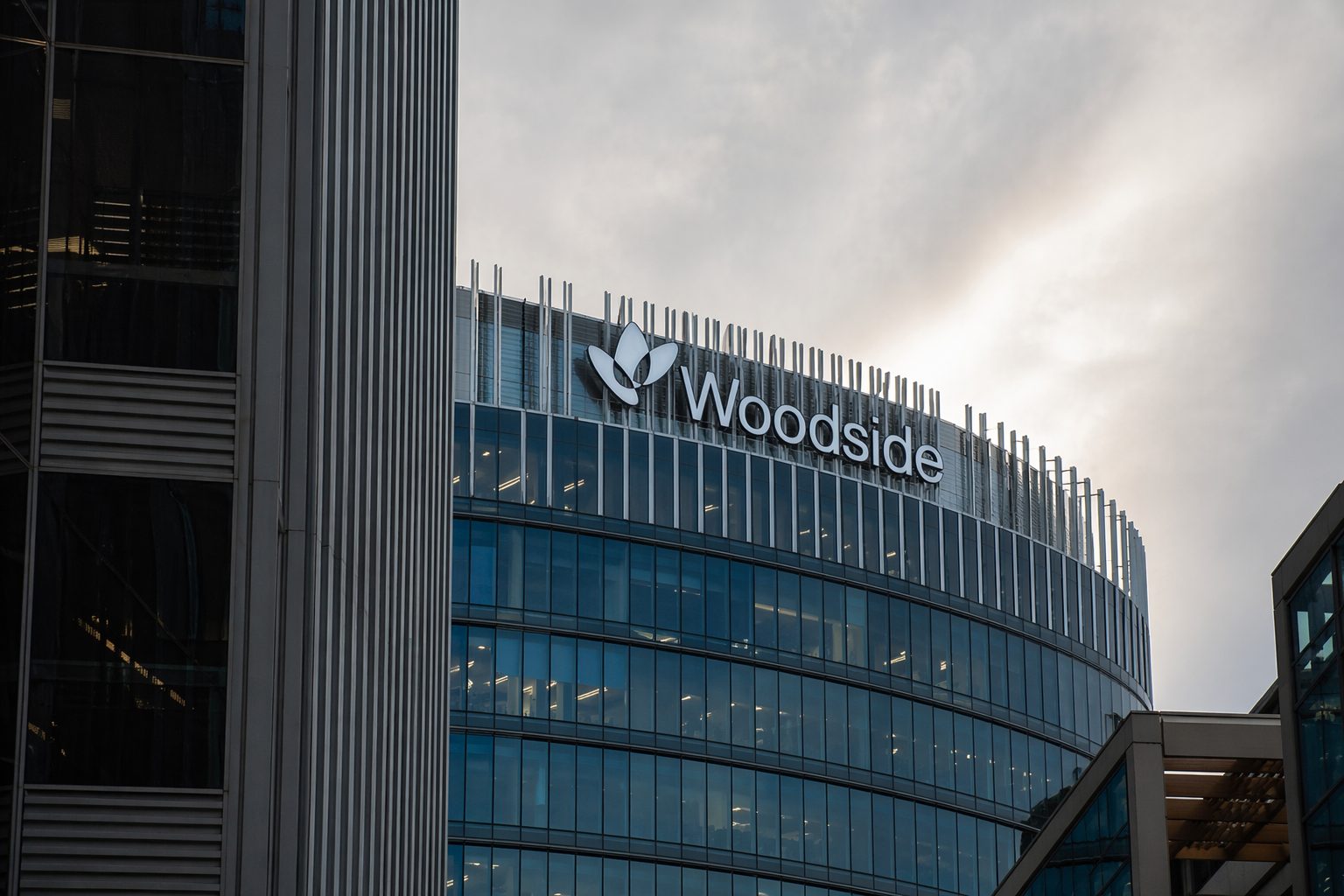
Woodside Energy Group Ltd has flagged to Australian senators that slapping a 25% tax on gas exports could render fresh projects unviable, thrusting the company into the thick of debates over how much Australia should rake in from its gas sector. At Friday’s hearing in Perth, Chief Financial Officer Graham Tiver pointed out the new levy would stack on top of existing company tax and the Petroleum Resource Rent Tax—which targets profits from certain offshore resources after costs are recouped. “I’m not sure how any project would survive,” he told the panel. ABC News
Time is short. The Senate’s Select Committee on the Taxation of Gas Resources—formed March 30—faces a May 7 deadline to deliver its report. The panel is looking at gas production and export taxes, price and profit impacts tied to Middle East conflict, and whether any additional revenue might be passed on to households.
Woodside’s tax dispute arrives just as new CEO Liz Westcott faces a packed project agenda and the need to safeguard funds. Westcott told shareholders this week Scarborough is still set to deliver its first LNG cargo in the fourth quarter—LNG being natural gas chilled into liquid for transport by tanker. Trion, she said, is aiming for first oil in 2028. Woodside has also signed off on developing Louisiana LNG.
Woodside isn’t the only one feeling the squeeze. At the Perth hearing, Woodside, Chevron, Santos, INPEX and Australian Energy Producers were set to argue that new taxes could hit investment and jobs. Chevron, for its part, warned in its submission that an extra LNG export tax would heighten worries about sovereign risk — the chance that government policy could turn against investors.
Australian Energy Producers fired back Friday, citing Wood Mackenzie analysis indicating nearly A$160 billion in taxes and royalties could flow over five years if prices stay elevated. CEO Samantha McCulloch dismissed allegations the sector isn’t contributing enough, calling those claims “demonstrably wrong.” Energy Producers
Supporters of the levy make their case in stark terms. Former Treasury secretary Ken Henry called on lawmakers to “just do it, in the national interest.” Richard Denniss, co-CEO at the Australia Institute, told the inquiry a 25% export tax could bring in at least A$17 billion a year and increase gas supply for local buyers. ABC News
The tax itself faces an uncertain path through the budget process. Resources Minister Madeleine King insisted there’s “no change” in government policy when it comes to taxing gas, while Prime Minister Anthony Albanese highlighted about A$22 billion already contributed by the industry. If that line holds, Woodside’s more pressing issue isn’t an immediate hit to its balance sheet, but ongoing scrutiny over its approach, tax history, and how it’s governed. The Nightly
Shareholders didn’t hide their concerns at Woodside’s annual meeting on Thursday. According to a company filing, 34.52% of votes went against Westcott’s long-term incentive package for fiscal 2026, and 18.31% opposed the remuneration report. Still, every resolution passed.
HESTA, one of Australia’s pension funds, said the CEO’s pay wasn’t “not adequately justified.” The fund pointed to transition risk, criticizing Woodside’s strategy for leaning too heavily on oil-and-gas growth without enough mitigation. HESTA cast votes against the pay report, the CEO’s share rights, and also opposed directors Larry Archibald and Arnaud Breuillac returning to the board. HESTA
Speaking after the AGM, Westcott acknowledged the board’s disappointment with the outcome of the remuneration vote, according to Reuters. MST Marquee’s Saul Kavonic pointed to HESTA’s decision as a sign of investor discomfort, flagging worries about a “weak approach to governance” since the leadership change. Reuters
Woodside finished Friday’s session up 2.64% at A$32.61, trading close to 5.4 million shares in Australia. That came after a 3.18% bump the previous day, keeping attention on policy risk’s potential to disrupt the oil-and-gas rally.