
PERTH, April 26, 2026, 22:04 (AWST)
- Woodside’s incoming CEO prepares for the company’s April 29 first-quarter results, while a sizable protest vote on executive compensation still lingers.
- Liz Westcott secured shareholder approval for her FY26 long-term incentive award, though 34.52% of votes came in against the proposal.
- Dissent comes while Woodside, Chevron and Santos are under a wider Australian microscope for LNG tax issues and gas profit margins.
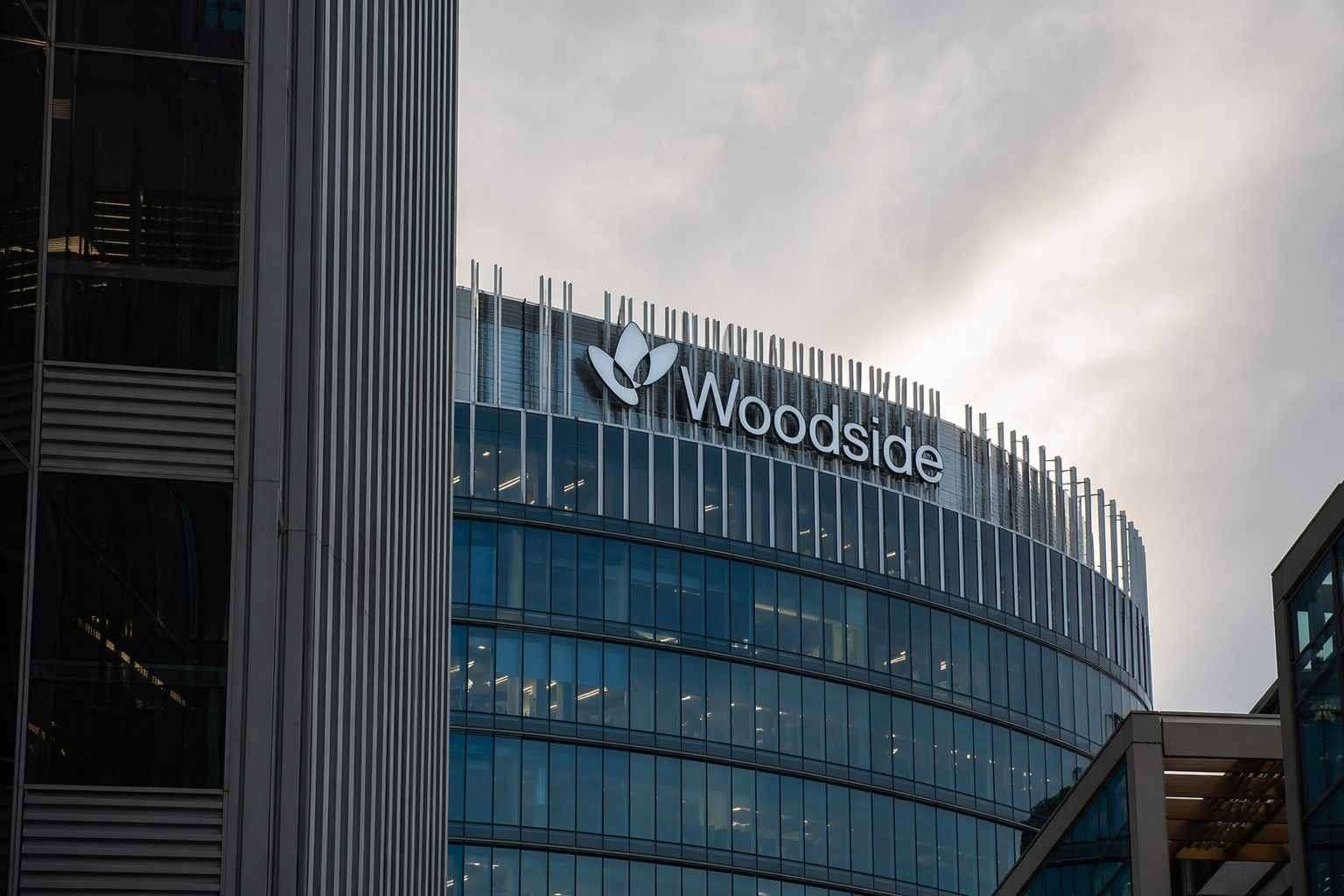
Woodside Energy Group Ltd’s new CEO, Liz Westcott, is already in the spotlight over governance, with over a third of shareholders voting against her FY26 long-term incentive award at the annual meeting. The vote breakdown: 65.48% in favor, 34.52% opposed. Every resolution did clear, but the remuneration report also saw pushback, with 18.31% voting against.
It’s a tricky moment for Woodside. Australia’s top listed oil and gas player is scheduled to release its first-quarter update on April 29, putting Westcott back in front of investors just days after the pay vote—and with scrutiny swirling around project timelines, costs, and climate risk.
According to Reuters, Woodside put forward a pay package worth as much as A$14.8 million—roughly $10.57 million—with A$2.2 million set as fixed salary and up to A$12.6 million tied to performance. Westcott, who took over as CEO in March following Meg O’Neill’s move to BP, told reporters the board was “very disappointed” by the outcome of the remuneration vote.
HESTA, the Australian pension fund, called the package “not adequately justified” and cast votes against the remuneration report, CEO share rights, plus the re-election of Larry Archibald and Arnaud Breuillac. Woodside’s push to expand oil and gas brings transition risk, said HESTA CEO Debby Blakey—that is, the potential for assets and returns to take a hit as economies move away from high-emissions fuels. HESTA
Woodside’s pay setup comes with layers. According to the notice, Westcott’s long-term equity incentive includes 119,926 more performance rights—these can vest if certain targets are hit over time. The award ties back to shareholder outcomes, set under the company’s updated 2026 incentive framework.
HESTA’s decision to vote against Woodside’s pay report has investors rattled, MST Marquee analyst Saul Kavonic said, pointing straight to worries about “a weak approach to governance” and gaps in board disclosures under the new leadership. The pushback didn’t stop there—CalPERS, the U.S. public pension giant, voted down both the remuneration report and the equity grant as well, according to Reuters.
During the AGM, Westcott put the spotlight on execution. “Disciplined delivery to our plan,” she told shareholders, summing up her CEO approach. The Scarborough LNG project, she said, is still targeting first cargo in the fourth quarter. Liquefied natural gas—LNG—refers to gas that’s chilled into liquid for transport by tanker.
Woodside’s international ambitions are picking up speed. Westcott said the Trion oil project is eyeing first oil in 2028, with Louisiana LNG aiming for its first cargo in 2029. Over at Beaumont New Ammonia, production has already started.
The but outweighs the pay. Should investors continue tying executive compensation to capital discipline and climate risk, Woodside could face a tougher time pitching hefty LNG expansion as business as usual. Scarborough, Trion, Louisiana—each project demands flawless follow-through. Any stumble—whether it’s a delay, budget overrun, or a softer outlook for LNG demand—would only strengthen that case.
The political backdrop has changed as well. On Friday, Woodside and Chevron fronted a Senate inquiry in Perth on gas resource taxation. Woodside CFO Graham Tiver warned a proposed 25% tax on gas exports could jeopardize the numbers for new projects, telling senators: “I’m not sure how any project would survive.” The Petroleum Resource Rent Tax, or PRRT, is the profit tax imposed on Australia’s offshore oil and gas after companies recoup approved expenses. ABC News
Woodside now finds itself entangled in the broader policy battle facing Chevron, Santos, and other LNG operators—not simply a matter of CEO pay packages behind closed doors. The Senate’s gas taxation committee was set up on March 30, targeting a May 7 report, and is weighing everything from oil and gas tax rules to how much LNG exporters earn and what the government collects.
Woodside ended April 24 at A$32.61, marking a 2.64% gain, Reuters market data show. Next up, the stock opens as investors digest both the pay revolt and the Q1 operating update, with LNG expansion plans still looming large.