
Sydney, April 26, 2026, 23:03 (AEST)
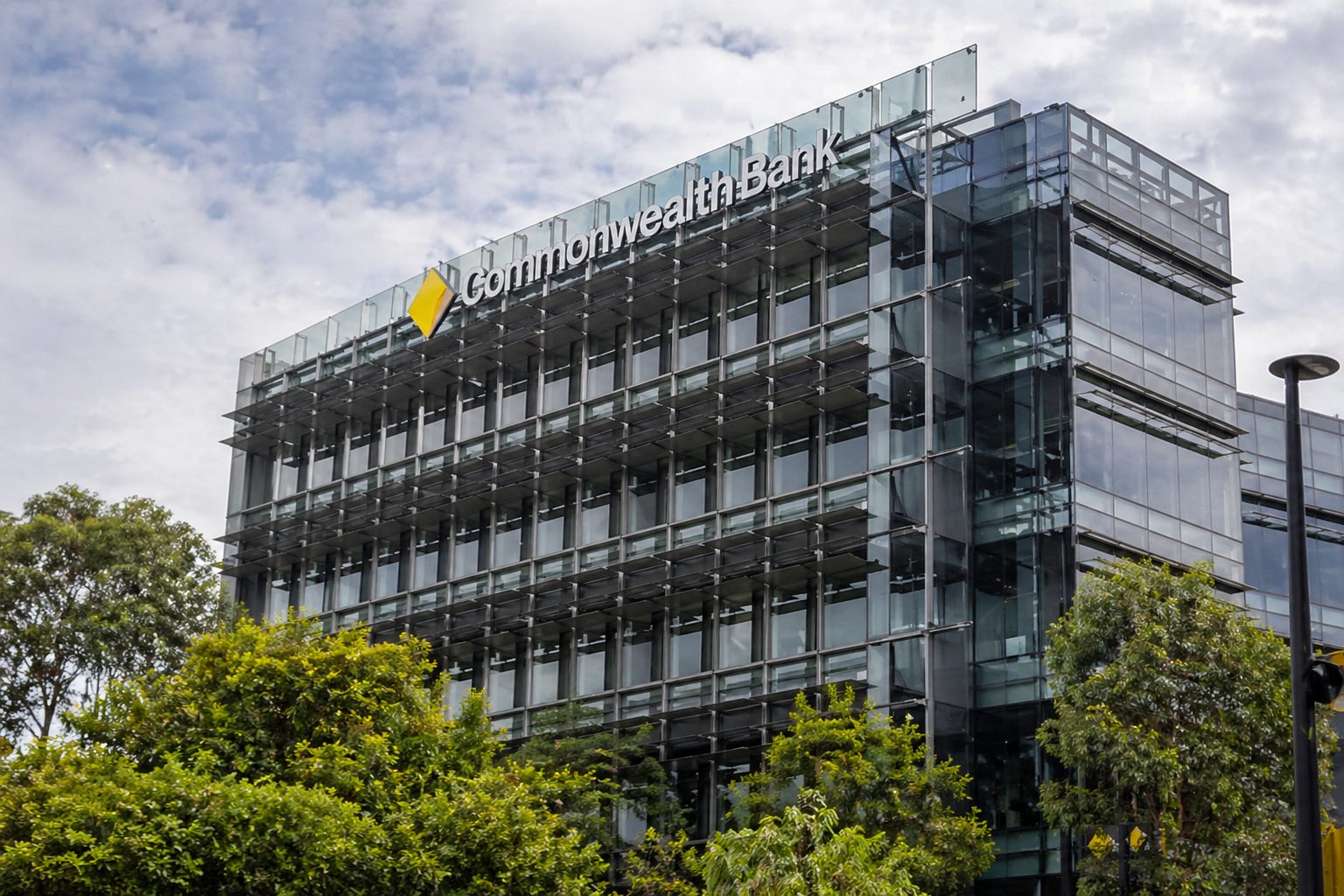
Commonwealth Bank of Australia now finds itself at the center of a renewed clash on regional banking, after a coalition of smaller lenders called on the nation’s big banks to chip in for in-person services beyond metropolitan areas.
The Regional Banking Investment Alliance, speaking for 24 regional banks and their allies, is pushing a A$153 million industry-backed plan to keep branches open in rural and remote areas. That effort has CBA, Westpac, NAB and ANZ once again facing scrutiny over footing the bill for cash services, account assistance and fraud support as they keep scaling back their branch networks.
The banks’ moratorium on regional branch closures isn’t permanent, which gives the issue some urgency. Smaller lenders say they’re picking up more routine service demand, even as customers mostly stick to holding their main accounts with the big four.
The alliance is pushing for what it describes as a community service obligation—a mandate forcing banks to support a crucial service, even in areas where profit margins are thin. No taxpayer money would be involved, it argues, and payments would flow to banks that keep or grow in-person banking options in regional, rural, and remote locations.
Regional Australia Bank CEO David Heine, speaking as an alliance spokesman, said last year when the group set the model’s price that “all banks will have an equal ability” to get support, provided they hit the regional branch investment threshold. Banking Day
CBA is keeping its regional branches open through at least July 31, 2027, and plans to put A$100 million into its branch and ATM network this year. The bank uses the ARIA+ remoteness measure to define what counts as regional—a system shared by Australian statistical and prudential agencies.
It’s a touchy subject. Last week, The Australian reported that CBA plans to shut down its Kingscliff branch in New South Wales after designating it as metropolitan—a decision that sparked backlash from the Finance Sector Union and heightened anxiety about the actual scope of the moratorium.
The 2025 government deal forced CBA, NAB, and Westpac into fresh in-principle Bank@Post arrangements. ANZ signed on to main terms as well, clearing the way to join Australia Post’s counter-banking system. Bank@Post covers essential banking at post offices, but it doesn’t offer the full services of a branch.
The branch debate is unfolding while CBA steps up its digital fraud defenses. On April 24, the bank rolled out an agentic AI system—software designed to sift through data and recommend responses—to spot new scam and fraud patterns hidden in payments and transaction flows.
James Roberts, CBA’s executive general manager of fraud and scams, said the system “operates around the clock,” flagging suspicious patterns and suggesting new detection rules. But before anything goes live, the bank’s fraud analytics team steps in to review—what’s known as human-in-the-loop oversight. Australian Broker News
The bank reports its fraud detection systems scan over 80 million signals daily, pushing out an average of 40,000 proactive alerts via the CommBank app. CBA noted that fraud losses dropped by more than 20% in the first half of its 2026 financial year compared to the previous year.
Quicker digital controls still leave the core access issue unresolved. Big banks might push back on any levy-style approach, while the government appears more inclined to stick with the current moratorium, Bank@Post, and ongoing cash distribution reforms, sidestepping a fresh funding hit.
CBA closed at A$174.49 on April 24, posting a 0.64% gain for the session, market data show following Friday’s close. Trading in Sydney was paused Sunday night with the Australian market closed.