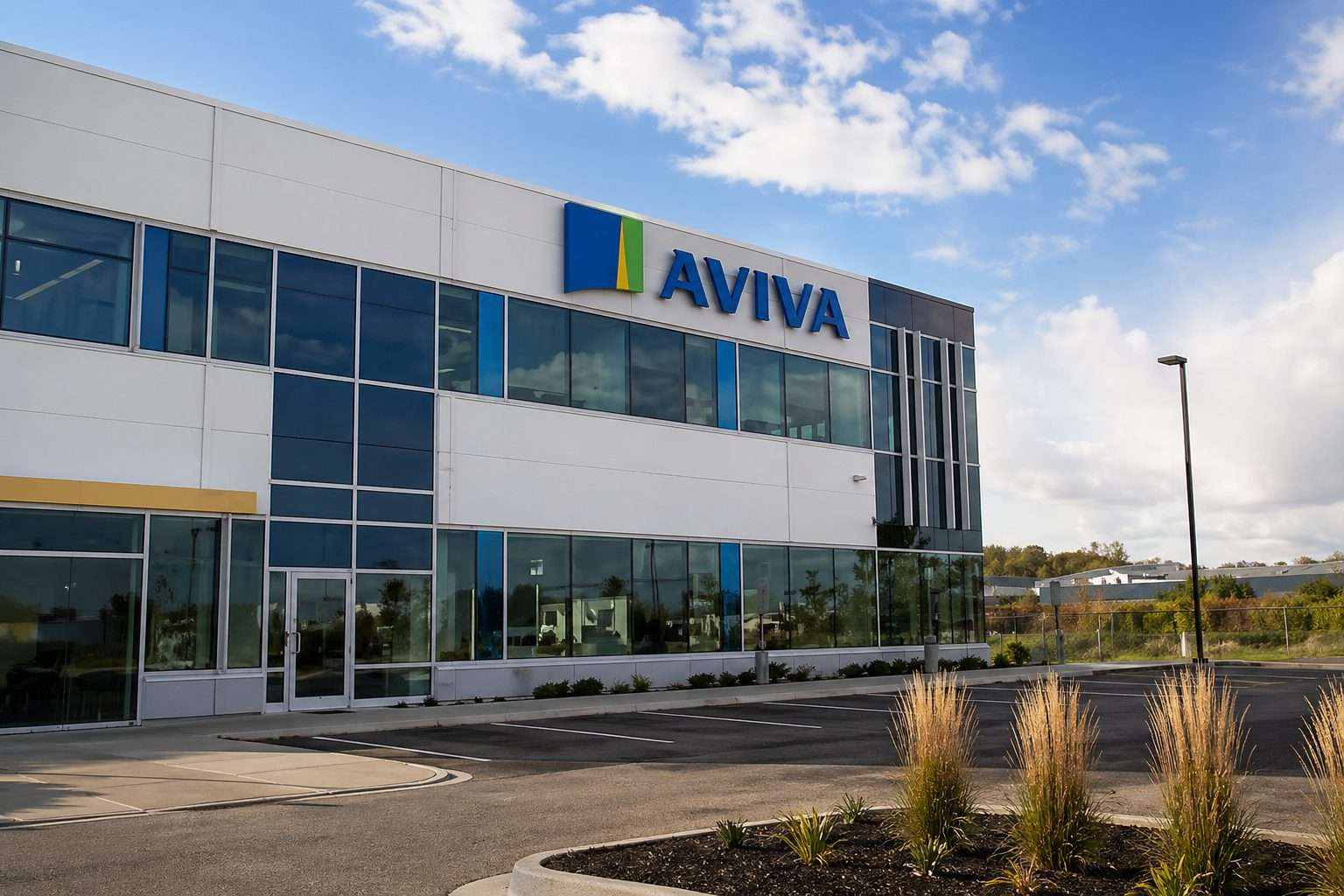

London, April 27, 2026, 20:04 (BST)
Aviva plc said Monday it’s rolling out specialist menopause support to an extra 675,000-plus individual and small business private medical insurance customers, along with their families. The move broadens a health benefit already available through Aviva Digital GP, the insurer’s remote doctor platform. The package provides as many as six 30-minute sessions with a nurse trained in menopause care. Dr Subashini M, medical director at Aviva UK Health, said the expanded access stands to positively impact people’s “health, confidence and everyday working lives.” Aviva
This shift lands as UK interest in private medical coverage keeps climbing—driven by patients after quicker treatment. LaingBuisson healthcare analysts put the count at 4.68 million private medical insurance holders by end-2023, and including families, some 8 million people could tap private healthcare. Just four providers—Aviva, Bupa, AXA Health, and Vitality Health—together controlled 95% of the market, the same report found.
Aviva’s health-services expansion is only part of the picture. Back in March, the insurer posted a 25% jump in 2025 operating profit, hitting 2.2 billion pounds. Insurance premiums, the wealth division, and snapping up Direct Line all played a role. After pausing during the deal, Aviva also reinstated its 350 million pound share buyback.
Still, add-on services alone probably won’t cut it. Private medical insurance—designed to cover the cost of private treatment—relies heavily on claims experience. Which? flagged Aviva near the bottom of its customer score table in its 2026 guide, with users marking down the insurer for claim ease and speed compared to certain competitors.
Aviva snapped up 931,432 ordinary shares of its own on April 24, paying a volume-weighted average of 630.56 pence apiece, according to its latest regulatory filing. The shares are slated for cancellation. The insurer said the move comes under its ongoing buyback programme. After this round, 3,024,880,656 ordinary shares will remain admitted to trading.
Shares in Aviva posted at 626.80 pence, ticking 0.32% lower by 17:25 UK time on Monday, according to the company’s website. Aviva has its annual general meeting set for May 6, with a first-quarter trading update and the 2025 final dividend payment scheduled for May 14.
On Monday, Aviva released research showing nearly half of those with debt have kept it secret from someone close, and 55% of people hiding debt are already behind on payments. “The cost of debt can stack up fast and early steps are crucial,” said Alistair McQueen, Aviva’s head of savings and retirement. Aviva
Aviva’s immediate challenge: Can these customer-facing changes keep policyholders loyal as the company tackles Direct Line integration, share buybacks, and fresh financial goals this year? The health-cover market keeps expanding, but there’s little margin for error—pricing, service quality, and how fast claims get handled all remain key to retaining customers.