
LONDON, April 30, 2026, 11:06 BST
- HSBC has tapped Gautam Anand to head up its Global India private banking division.
- HSBC’s first-quarter earnings update is set for May 5, just days after the move.
- Global banks want a bigger slice of India’s wealth, though local rivals are tough, and geopolitical risks haven’t gone away.
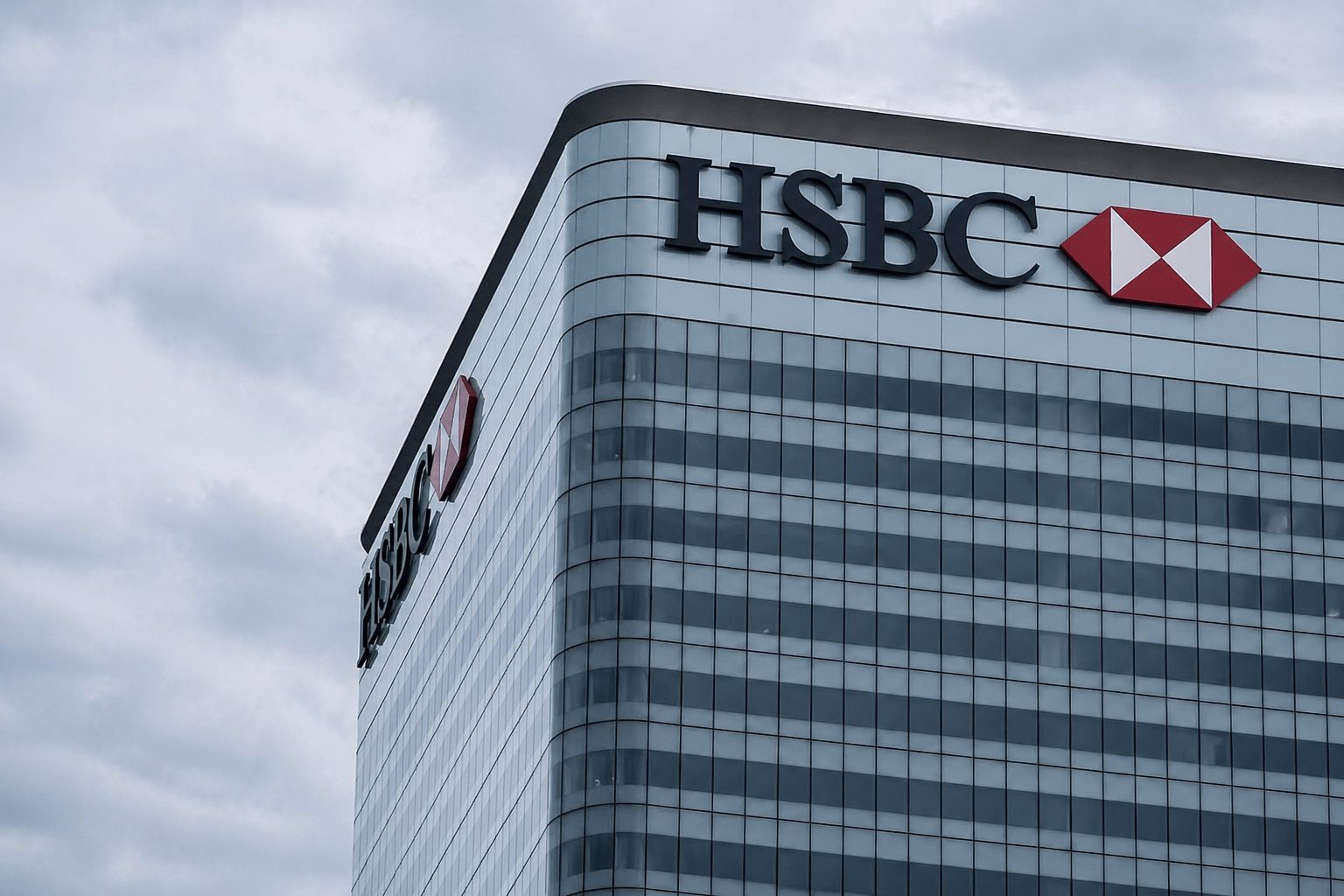
HSBC Holdings Plc tapped Gautam Anand—a veteran with 25 years in banking—to lead its Global India private banking arm, putting him at the helm of a cross-border platform focused on high-net-worth clients tied to India. Anand’s remit spans India itself as well as major wealth centers like Dubai, Hong Kong, Singapore, and the UK.
Timing’s crucial here. HSBC is set to release first-quarter results May 5, a chance for investors to see if Chief Executive Georges Elhedery’s restructuring efforts are paying off with more consistent growth—not simply reduced costs.
Wealth remains the key factor. Back in February, HSBC reported that profit before tax on a constant-currency basis, excluding one-off items, hit $36.6 billion in 2025—driven by robust performance from its International Wealth and Premier Banking arm and gains in Hong Kong. Still, reported pretax profit slipped to $29.9 billion after factoring in charges, putting more pressure on the bank to find growth engines with enough heft.
Anand came on board at HSBC Private Bank in December 2023, bringing a background in senior roles serving South Asian and Global India clients. HSBC’s South Asia private bank chief, Tommy Leung, noted that clients are increasingly international and flagged a need for “seamless cross-market solutions.” Anand will answer to both Leung and Aladdin Hangari, who heads the private bank for MENAT. HSBC Private Bank
HSBC re-entered India’s global private banking scene in 2023, turning its focus to high-net-worth and ultra-high-net-worth individuals—industry shorthand for clients with over $2 million in investable assets. The bank pitches the move as a play within its broader push into Asia, zeroing in on higher-margin offerings like wealth management.
UBS, for its part, chose a different tack in India last year. The bank agreed to offload its onshore wealth arm to 360 ONE WAM, and picked up close to a 5% stake in the Mumbai outfit. At the time, Reuters noted that overseas private banks have found it tough to make headway in India, with local incumbents deeply entrenched and regulations posing hurdles.
HSBC is revamping its broader private banking business, too. Back in December, the bank tapped former Citi Private Bank boss Ida Liu for the CEO slot at HSBC Private Bank, starting Jan. 5. Barry O’Byrne, who heads HSBC International Wealth and Premier Banking, called the hire a signal of the bank’s push to beef up its offering to leading entrepreneurs and wealthy families.
Elhedery has been pushing to streamline HSBC and sharpen its focus on Asia. Back in February, the bank lifted its return on tangible equity target to 17% or more through 2028—up from the earlier “mid-teens” expectation. Jefferies analysts noted that while investors would probably be pleased with the numbers, HSBC’s projection of just a 1% increase in costs this year could draw skepticism, considering the pressure from rivals and ongoing investments in AI. Reuters
Still, HSBC’s wider move into India isn’t without hazards. According to Bloomberg Intelligence, about 4% of the bank’s revenue and pretax profit comes from its Middle East business. The future effects of regional turmoil on fee streams and loan demand remain uncertain. Over at Standard Chartered—also based in the UK and with its eye on Asia—the lender reported a 17% jump in quarterly profit Thursday, but also set aside $190 million because of the Iran war.
Right now, Anand’s appointment is just a staffing change—no financial signal yet. The more pressing test comes at the first-quarter update: can HSBC’s wealth, Hong Kong, and cross-border businesses pick up enough slack to counter credit risk, heavier costs, and a buyback program that’s losing momentum?