
London, April 30, 2026, 13:51 BST
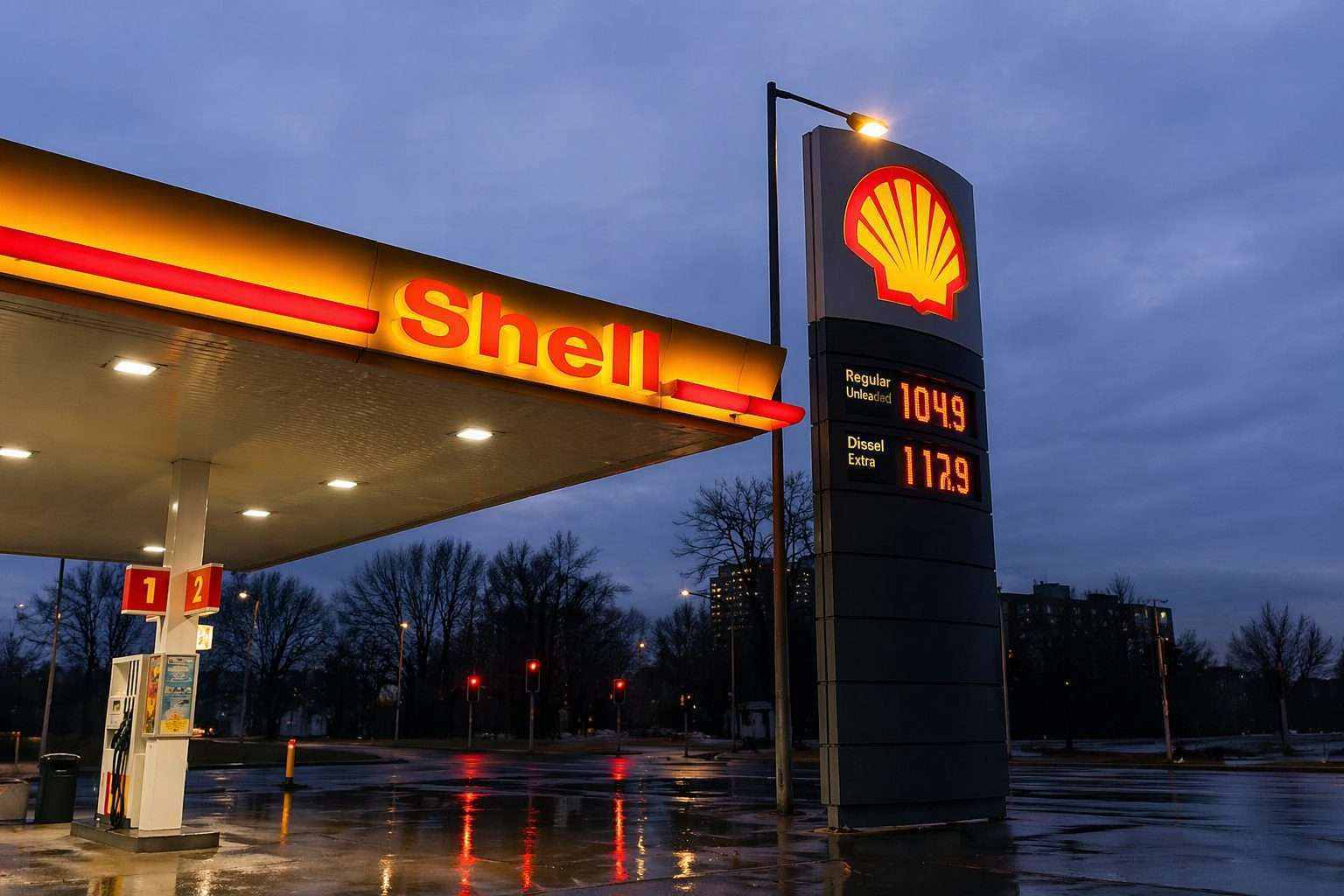
Apollo Global Management, Blackstone, and KKR are now the last contenders vying for a large piece of Shell’s LNG Canada project, according to sources with direct knowledge of the private talks. The stake could fetch upwards of $10 billion, with some figures pointing toward $15 billion. Shell may still opt to retain part—or even all—of the holding. The offer reportedly covers both the operational initial phase and plans for a second phase.
The clock’s part of the equation. Shell this week struck a $16.4 billion deal for ARC Resources, snapping up gas and liquids assets near its Canadian upstream base—the same region that supplies LNG Canada—even as it gauges whether investors might want a piece of the export project. That leaves Canada at the junction of two Shell strategies: ramping up feedstock, and maybe freeing up cash from its infrastructure.
Canada is drawing fresh attention as instability in the Middle East nudges energy giants toward markets viewed as safer and more closely tied to global exports. Reuters says TotalEnergies, BP, and ConocoPhillips are all reconsidering Canadian assets, although it’s unclear if any will strike a deal like Shell. Mike Verney, executive vice president at McDaniel & Associates, described Shell’s move as “validating” for Canada’s “world quality resources.” Reuters
LNG—liquefied natural gas—is gas cooled into liquid for transport by tanker. In Kitimat, British Columbia, LNG Canada loaded its debut cargo last June. Shell owns the biggest stake at 40%. The two trains together can handle up to 14 million tonnes annually, and there’s a Phase 2 option on the table that would double capacity.
ARC shareholders would get C$8.20 in cash plus 0.40247 Shell shares for every ARC share under Shell’s bid, the company said, putting the total value at C$32.80 a share using April 24 pricing. ARC noted the deal still requires ARC holder approval along with green lights from the court and regulators. They’re targeting a close in the second half of 2026. RBC Capital Markets delivered a fairness opinion to ARC’s board on the terms.
Shell chief executive Wael Sawan called the ARC acquisition a move that “establishes Canada as a heartland for Shell.” ARC’s CEO, Terry Anderson, said the deal gives ARC shareholders a chance to realise value while maintaining exposure to Shell’s global reach. According to Shell, the buyout brings in roughly 370,000 barrels of oil equivalent per day and adds around 2 billion barrels in proved plus probable reserves. Shell
Shell ticked up 0.87% to 3,308.50 pence in London, with pricing delayed at 13:35 BST. The FTSE 100 climbed 1.58%. Shell’s modest rise pointed to caution—investors didn’t seem ready to call the LNG Canada auction settled just yet.
Another support for the sector sits with trading. Shell, ahead of its May 7 results, signaled a robust first-quarter trading performance. BP and TotalEnergies have already illustrated profit swings driven by choppy oil and fuel markets, underlining how European majors with sizable trading operations—moving and reselling cargoes—can capitalize.
The risks aren’t hard to spot. There’s no guarantee of a sale, and LNG Canada has already run into its share of operational headaches. Investors have reason to question whether a Phase 2 buildout makes sense, given the threat of a global LNG glut and rising construction and policy costs in Canada. If Shell can’t secure a satisfactory price, it could just hold onto the stake and fold the ARC deal into its current capital program.
Shell is set to report its first-quarter numbers on May 7. Investors are waiting to see if the company will tie the next share buyback tranche to those results, as Shell indicated—pending board approval. The real question remains: can Canadian growth ambitions mesh with Shell’s commitment to hand more cash back to shareholders?