
London, May 1, 2026, 16:02 BST
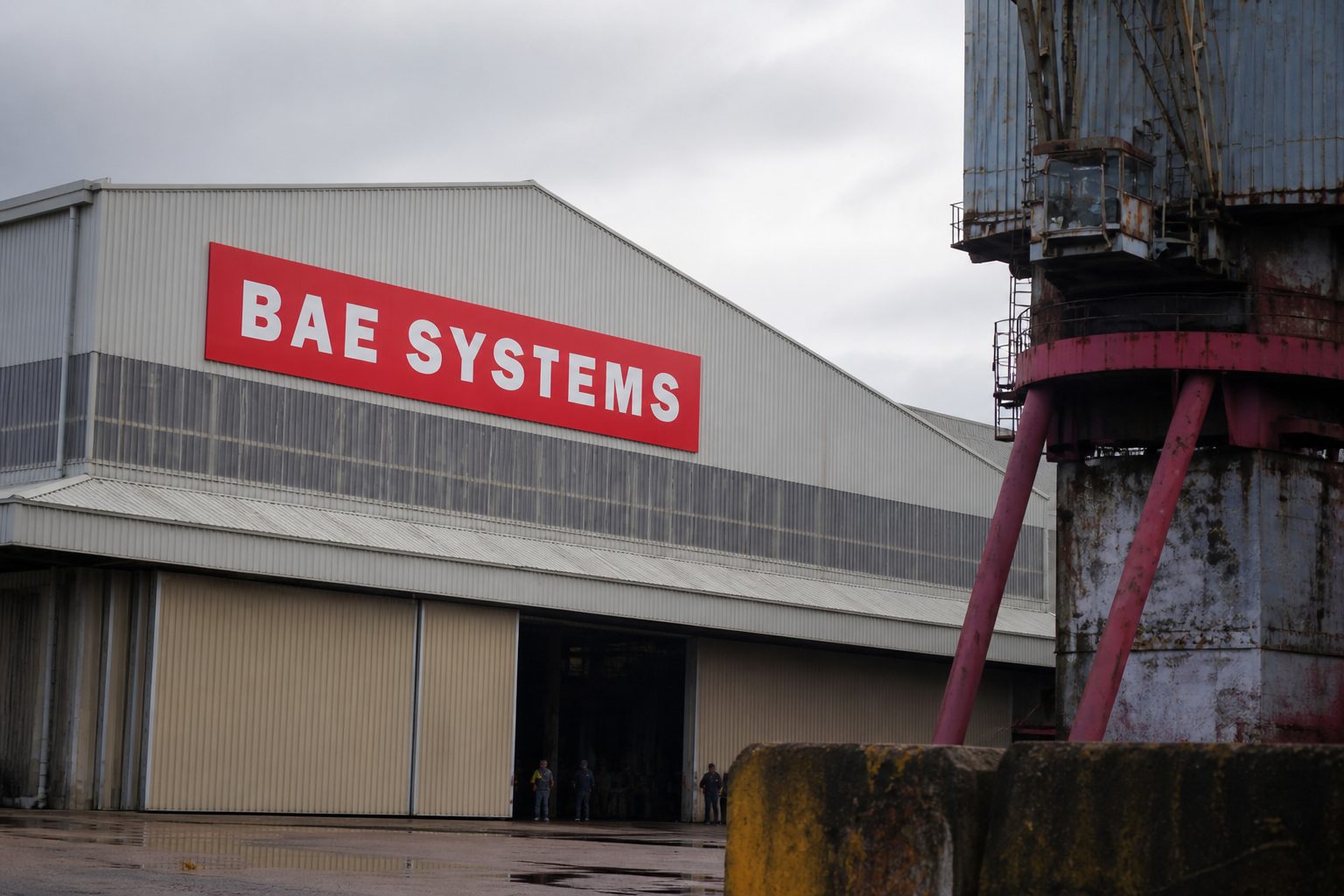
BAE Systems plc has been hit with a £120 million claim from Kenya’s EnComm Aviation, after the British defence company pulled the plug on support for Advanced Turbo-Prop planes flying humanitarian supplies across Africa. EnComm contends the decision left key aircraft grounded—impacting aid deliveries to Somalia, South Sudan, and the Democratic Republic of the Congo.
Timing isn’t great for BAE. The defense firm is riding a wave of heightened demand: 2025 sales come in at £30.7 billion, and its backlog has hit a record, with £83.6 billion in work still on the books.
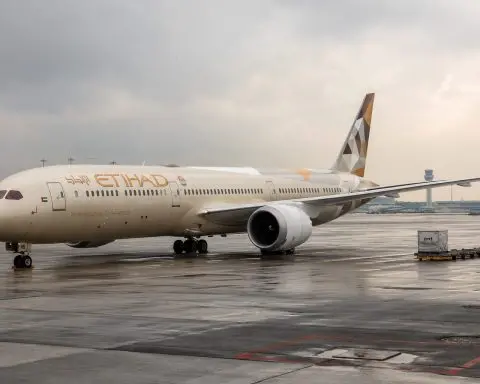
EnComm claims BAE’s decision to pull its backing led to scrapped humanitarian deals, one of them a UN operation serving 12 locations across Somalia. The ATP aircraft in question handled 8.2 tonnes per trip, able to take off and land on short runways; EnComm’s planes moved 18,677 tonnes of supplies from March 2023 through September 2025, the report shows.
EnComm claims in the UK High Court that BAE’s decision left the fleet worth little more than scrap. According to a pre-action letter cited by the Guardian, EnComm points to emails and meetings it says gave the impression BAE would continue supporting the aircraft for a minimum of five years. “We’ve had to bring BAE to court for an explanation,” said EnComm director Jackton Obuola. BAE, for its part, declined to comment on the ongoing litigation. The Guardian
A type certificate serves as the regulatory foundation for an aircraft model’s airworthiness. EnComm puts it simply: after BAE withdrew support associated with the ATP, the aircraft no longer fulfilled the role the cargo operator had acquired them for.
On Friday afternoon, BAE shares were showing at 2,021 pence on the company’s investor site, pulling from London Stock Exchange figures that BAE noted could be at least 15 minutes behind. MarketWatch said the stock finished Thursday up 2.07%, closing at £20.43 and beating the wider London market.
BAE’s main operations aren’t entangled in the ATP fight. For 2025, the group posted underlying EBIT of £3.32 billion, marking a 12% rise, alongside £36.8 billion in new orders. Back in February, Chief Executive Charles Woodburn called it a “new era of defence spending” that’s fueling demand. BAE Systems
The broader defence sector isn’t trending upward anymore. Last month, Reuters noted MSCI’s Europe Aerospace and Defence Index slid 9.2% in March—the sharpest drop in five years—as investors took another look at valuations and the impact of lower-cost drones on the battlefield. Shares in Rheinmetall, Renk, and Saab have been among those under pressure since the Iran conflict erupted.
Hargreaves Lansdown’s Aarin Chiekrie sees the sector’s drop as a case of growth hopes running too hot, telling Reuters that expectations “got ahead of themselves.” From Amundi, Ciaran Callaghan flagged a change in the “future of warfare” conversation, with cheaper tech increasingly cutting into demand for legacy, high-cost systems. Reuters
The lawsuit isn’t just about money. Much could hinge on whether EnComm can convince the court that BAE had a duty, made firm commitments, or actually triggered the losses in question—points BAE is expected to fight. A defeat would pile on reputational risk as BAE navigates its exit from old civil-aircraft commitments. If BAE prevails, the issue shrinks to a narrower legal squabble, barely denting its much larger pipeline.