
London—It’s May 1, 2026, just past 5 p.m. BST.
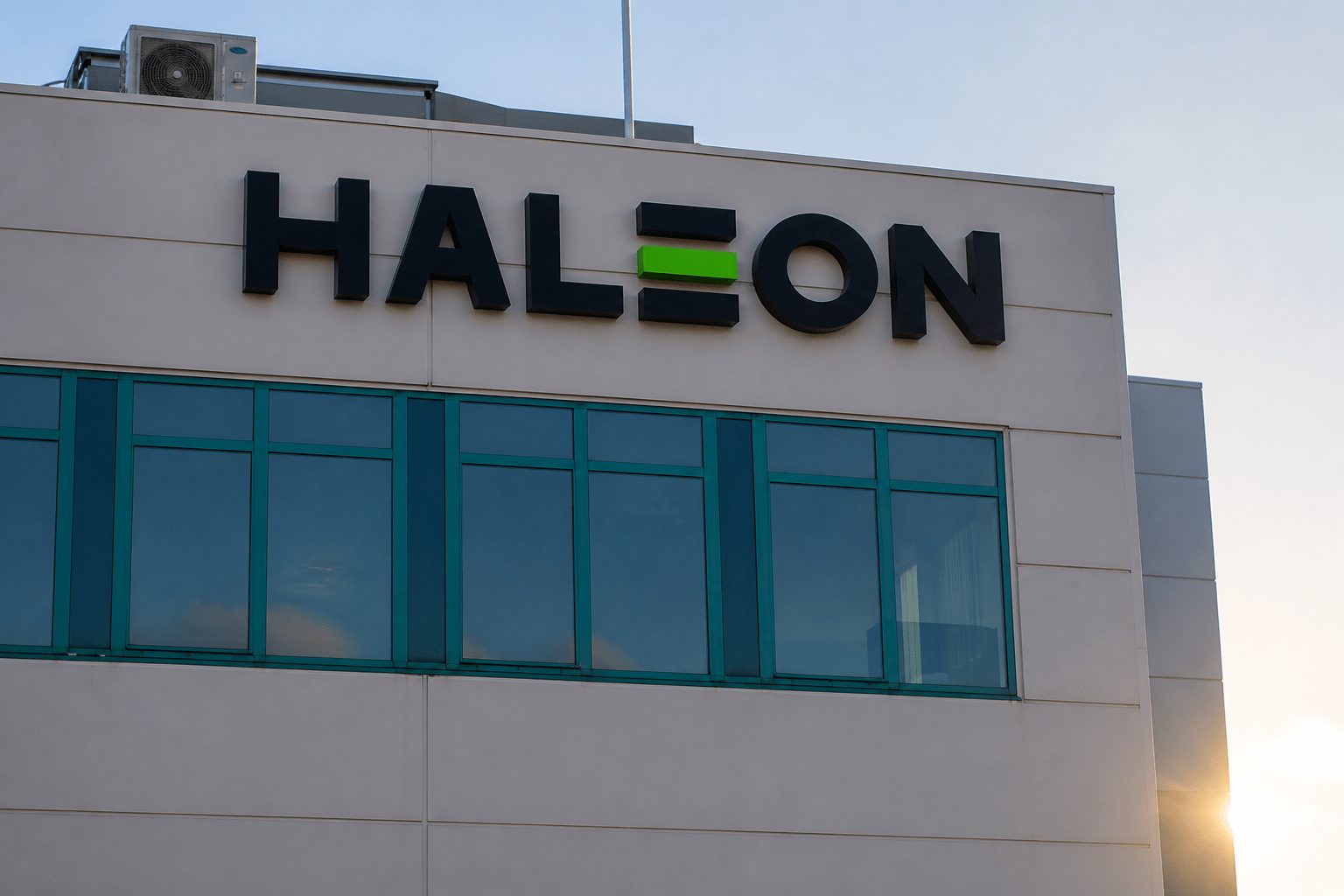
Haleon PLC ticked up 1.2% to 343.7p/344.0p in London after Friday’s close, offering a small lift for the Sensodyne maker. Investors weighed soft cold-and-flu sales, unchanged 2026 targets, and a new warning on costs. The FTSE 100 slipped 0.14%.
Timing is key, with Haleon sticking to its full-year goals that require accelerating growth. First-quarter revenue landed at £2.86 billion, with organic revenue up 2.2%—that’s excluding currency moves and M&A. The company’s 2026 outlook? Still targeting 3% to 5% organic revenue growth and high-single-digit adjusted operating profit growth, both measured at constant currency.
No one expected fireworks at the open, but numbers came in soft regardless. Haleon blamed a quieter cold-and-flu season for knocking about 130 basis points—1.3 percentage points—off growth. Pricing managed a 2.4% lift, yet volume and mix slipped 0.2%, so what consumers actually bought pulled growth down a touch.
Oral health carried the quarter for Haleon, with the segment climbing 8.3% organically thanks to Sensodyne and parodontax. Respiratory Health, on the other hand, dropped 3.4% after cold and flu demand slumped. North America edged up 1.0% in organic growth, toothpaste the main driver, but that gain remained modest.
Chief Executive Brian McNamara described the quarter as a “competitive performance in a challenging market,” adding that Haleon is still on course to meet its full-year guidance. He highlighted productivity initiatives, which, according to the company, are supporting both gross margin and investment. Haleon Corporate
This isn’t just a hypothetical risk. Haleon’s CFO Dawn Allen flagged to analysts that the company has “started to see surcharges on freight,” according to Reuters. Over in the Middle East, which makes up around 5% of Haleon’s revenue, McNamara noted a low-double-digit drop in consumer spending. The squeeze isn’t unique: Procter & Gamble and Reckitt are dealing with similar cost and demand pressures. For Reckitt, the situation is compounded by weaker cold-and-flu product sales. Reuters
Chris Beckett, a consumer staples analyst with Quilter Cheviot, described Haleon as “only firing on two cylinders,” saying the company needs to deliver beyond just its toothpaste business. Sensodyne, he noted, is still pulling its weight, but Beckett pointed out that other categories aren’t measuring up. Quilter
Management is betting on U.S. shelf resets, broader distribution and a partnership with U.S. Soccer to coincide with World Cup campaigns starting in May. The company also pointed to new products under Sensodyne Clinical Repair, Panadol Dual Action and Centrum as part of efforts to drive growth through the remainder of the year.
Capital returns are still in focus. Haleon earmarked £500 million for share buybacks in 2026, with roughly 36% already wrapped up. According to a Friday RNS, the company now reports 8.88 billion ordinary shares with voting rights, excluding the treasury shares that don’t carry votes.
Haleon emerged after a 2019 joint venture with Pfizer, then went public as a standalone company in July 2022 on both the London and New York exchanges. The business owns a lineup of consumer health staples—Advil, Centrum, Caltrate, Robitussin, Emergen-C, Sensodyne, Panadol, Theraflu, and Voltaren among them.
The next hurdle: can the rebound stretch beyond just oral health? Should the flu-season slump ease off and U.S. programs hit their targets, Haleon’s path to guidance clears up. But if shipping costs rise and the non-toothpaste categories keep underperforming, that Q1 miss won’t be so easy to shrug off.