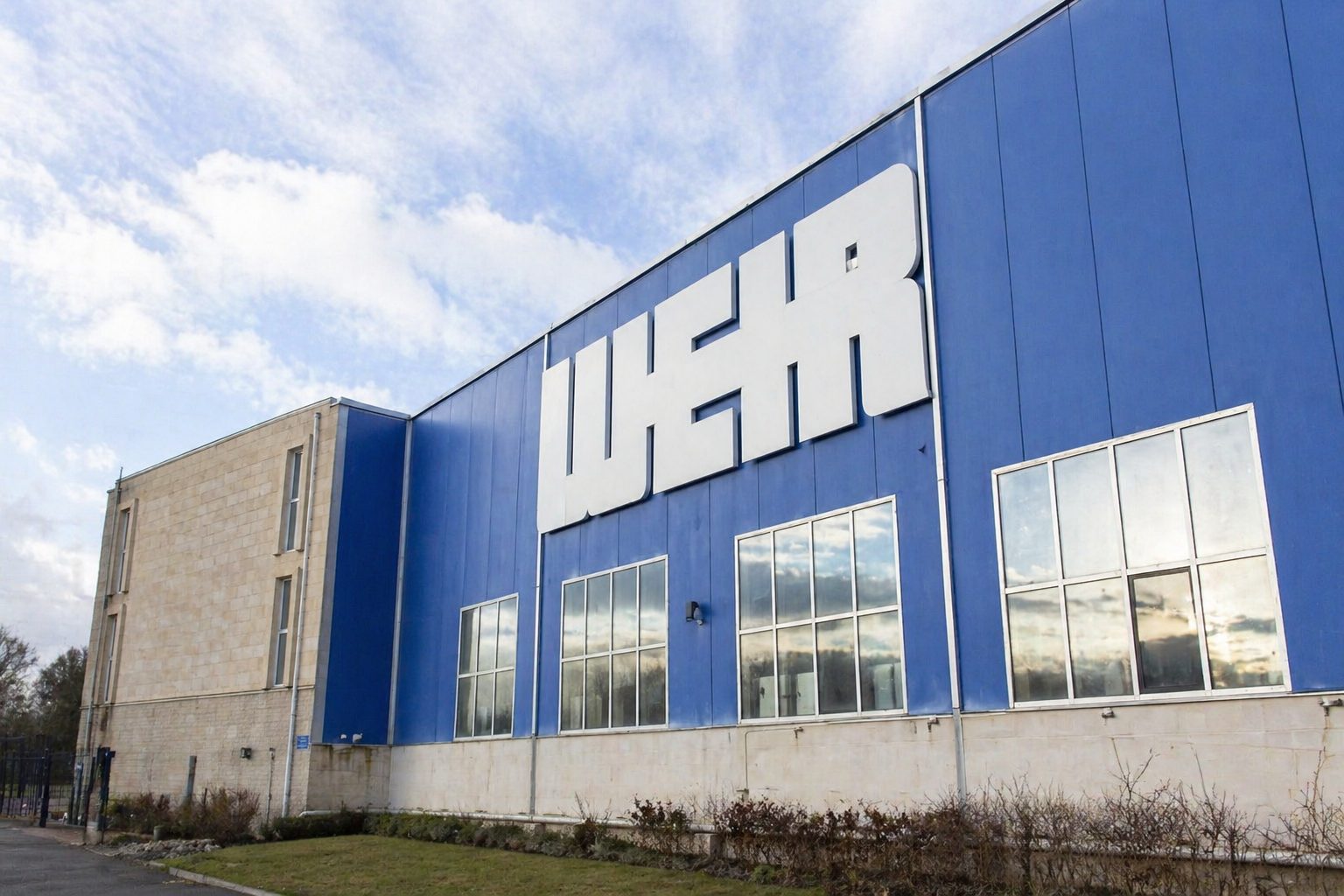

London, May 2, 2026, 22:02 (BST)
- Weir Group PLC dropped another 2.03% to finish the day at £26.00 on Friday, deepening losses that followed Thursday’s trading update.
- Organic orders dropped 3% in the first quarter, yet total group orders climbed 4% on a constant currency basis.
- Andrew Neilson, who currently leads the minerals division, steps in as CEO on Aug. 1, replacing Jon Stanton.
Weir Group PLC faces a tough start to next week, with shares sliding again Friday. Investors looked past a planned CEO handover, focusing instead on softer first-quarter order numbers at the FTSE 100 mining engineer. The stock ended Friday’s session down 2.03% at £26.00. A Reuters report a day earlier noted Weir had dropped as much as 10% after its latest update.
Timing is key here. Weir pitched investors a mining tech narrative built around critical minerals, mine growth, and steady service revenue, but the recent update exposed a disconnect: headline figures rose, yet underlying organic orders—excluding deals and currency shifts—fell short.
Weir reported a 4% increase in total group orders for the first quarter, measured at constant currency to strip out FX effects. But organic group orders slipped 3%. The Minerals division—which Reuters notes brings in over 71% of total revenue—also dropped 3% in organic order intake.
Jon Stanton is set to leave his post as chief executive at Weir on Aug. 1, wrapping up a decade in the top job and a 16-year run at the company. Andrew Neilson, now president of the Minerals division, will step in as CEO once he joins the board as CEO designate.
Neilson is moving up from within—he’s no outsider. Having come aboard at Weir back in 2010, he’s overseen both the Minerals and ESCO divisions. When he steps into the CEO role, his base salary will be £825,000 a year.
Stanton noted the group had experienced “limited impact” on its global supply chain and projected orders would shape up “very positively” over the year. Weir stuck to its outlook for constant-currency revenue growth, operating profit, and operating margin, and maintained that free operating cash conversion will land between 90% and 100% in 2026. Investegate
Order patterns diverged this time. Group original equipment orders edged up just 1%, with aftermarket orders climbing 4%. Minerals original equipment slipped 3%. ESCO original equipment, though, soared 49% on strong demand for mining buckets.
Some analysts argued the selloff went too far, even if risks remain. Panmure Gordon’s Alex O’Hanlon bumped Weir up to “buy” from “hold,” sticking with his 3,490p target price. UBS’s Ed Hussey, meanwhile, trimmed his target by 15% to 3,400p but didn’t budge on his “buy” call, describing the shares as “far too cheap at these levels.” Hussey flagged a “legitimate concern” over whether Weir’s mid-to-high single-digit organic growth goal is realistic. Proactiveinvestors UK
The competitive angle can’t be ignored. Weir operates in the mining equipment and rock-processing space, up against names like Metso, Sandvik and FLSmidth; for proof, Sandvik’s own materials list Weir, Metso and FLSmidth as direct rivals in global rock processing. That puts the onus on Weir to show it’s pulling in enough business in equipment and aftermarket services, rather than just benefitting from the broader push for critical minerals.
The balance has shifted toward the back end of the year. Weir flagged that both revenue and profit are expected to stack up in the latter half of 2026, while cash conversion should stick to its usual pattern—inventory ramps up in the first six months, with collections coming in later. Risks are plain: if major project orders get delayed, mine disruptions drag on in Asia-Pacific and Africa, or conflict in the Middle East continues to weigh on dredge demand, then the company’s reaffirmed guidance could be in for a tougher challenge.
Shareholders didn’t push back at the annual meeting. Weir reported every AGM resolution cleared the poll, with at least 93.43% backing—this level of support applied to the authority to allot shares.
Neilson faces a straightforward initial hurdle: turn the project pipeline into firm orders and demonstrate that organic growth can swing positive ahead of what’s expected to be a busier second half. Stanton exits, having streamlined the mining business; now, investors are looking to see whether that sharper focus actually delivers growth.