
SEATTLE, May 4, 2026, 04:04 PDT
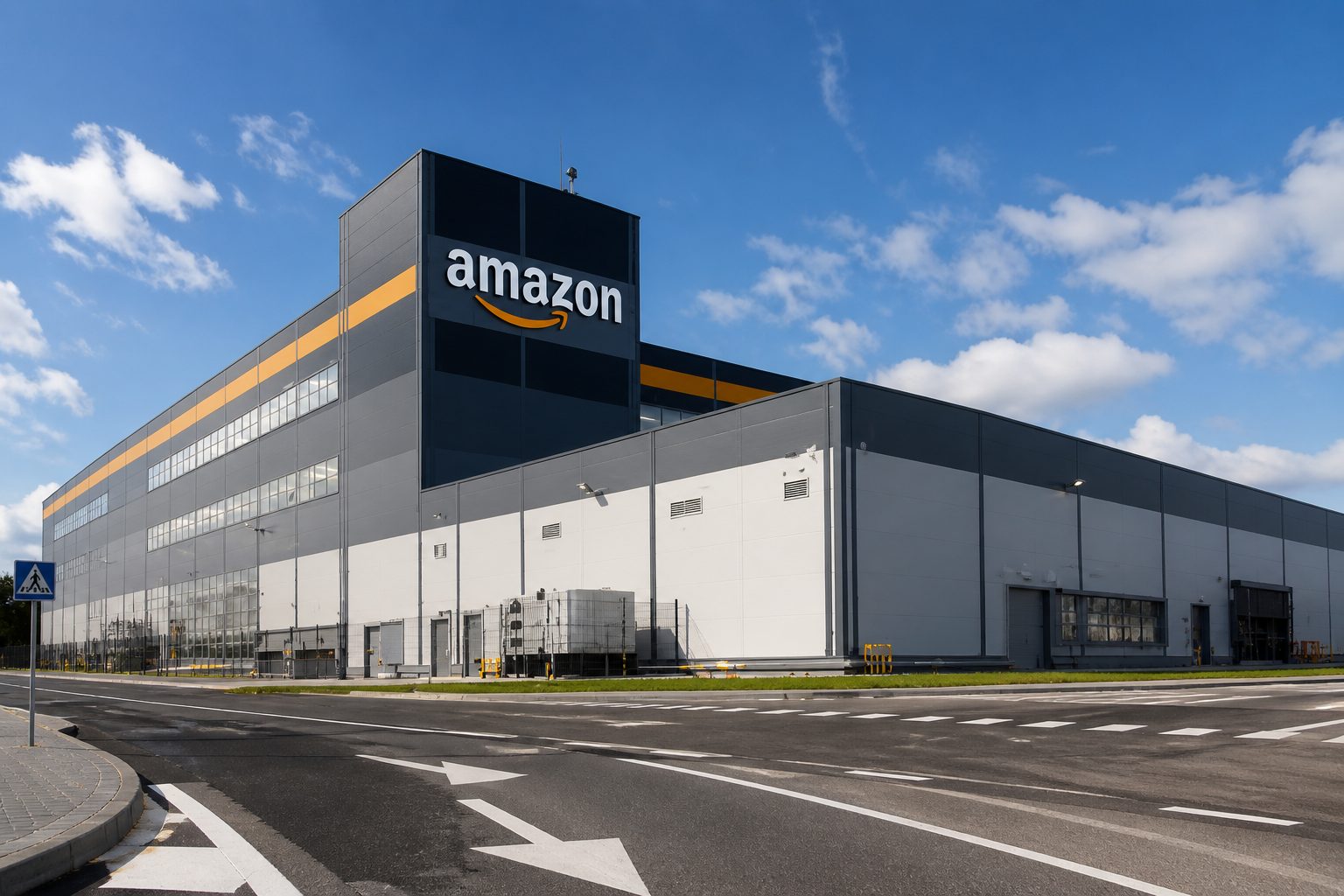
Amazon.com on Monday rolled out Amazon Supply Chain Services, a fresh package that gives outside firms access to its entire logistics stack—freight, warehousing, fulfillment, and parcel delivery—no Amazon storefront required. The company says businesses can tap into the system to handle goods at any stage, from raw materials up to final products.
Amazon’s latest push into third-party logistics comes as retailers and manufacturers look to cut vendors and speed up deliveries. The company is now offering logistics services—originally developed for its own retail arm and third-party sellers—to players in healthcare, auto, manufacturing, and retail. The expansion lets Amazon handle transportation, storage, and delivery for outside businesses.
U.S. parcel stocks slipped in premarket action. Latest numbers: UPS dropped $1.24 to $107.57, FedEx fell $9.56 to $393.67. Amazon, by contrast, added $3.28, landing at $268.26.
Amazon’s new service extends across freight, distribution, fulfillment, and parcel shipping. The freight network includes ocean, air, ground, and rail. For parcel delivery, Amazon promises two-to-five-day shipping, seven days a week. Companies can enroll using a single centralized console.
Sheer size is the story here. Amazon’s transportation arm runs with over 80,000 trailers, 24,000 intermodal containers, and upwards of 100 aircraft, according to Reuters. Those intermodal containers? They’re designed to switch between ship, rail, and trucks with no hassle.
Peter Larsen, vice president of Amazon Supply Chain Services, said Amazon is extending the “infrastructure, intelligence, and scale of its supply chain services” to external businesses, according to the company’s announcement. Larsen added that their goal is to offer firms the same “cost efficiency, reliability, and speed” that Amazon itself relies on for its own customers. Amazon News
Among the first to sign on: Procter & Gamble, 3M, Lands’ End, and American Eagle Outfitters. Amazon noted P&G relies on its freight network to move both raw materials and finished products; 3M ships from plants to distribution hubs; Lands’ End pulls from a single inventory pool. American Eagle taps Amazon’s parcel delivery for orders from both its American Eagle and Aerie sites.
Lands’ End chief Andrew McLean says the company’s move to Amazon Supply Chain Services should get products in front of customers faster, with a particular focus on busier times of the year. His comments offer Amazon an early endorsement from a retailer that sells directly to shoppers—not just through the marketplace.
Amazon attributes the wider rollout to what it’s learned from working with sellers. In the last three years, the company says, hundreds of thousands of Amazon sellers have tapped its logistics network to ship, store, and deliver hundreds of millions of packages—not just through Amazon’s own store, but also across third-party warehouses, facilities, and sales channels.
Amazon’s move puts it squarely up against UPS and FedEx—not just in standard parcel delivery, but across freight, storage, and distribution. Last week, UPS said it would scale back on delivering Amazon packages, even though Amazon is its biggest customer, citing a hit to profits from the work. J.P. Morgan’s Brian Ossenbeck pointed to softer domestic margins, noting UPS faces an uphill climb to meet profit goals, according to Reuters.
Still, there’s a trust hurdle here. Certain companies could hesitate to send crucial inventory or delivery information through Amazon—a business that not only powers a massive online marketplace, but also stands toe-to-toe with plenty of retailers. According to the Wall Street Journal, Amazon has been emphasizing its data-privacy safeguards while pitching the service.
Amazon stands to gain more than just extra logistics fees here. By pulling in more outside shipping volume, the company could better utilize its planes, trailers, and warehouse capacity—assets originally set up for its own retail operations. It also offers businesses one more shipping option beyond the old-guard carriers. That’s what investors had on their minds ahead of the regular U.S. session.